
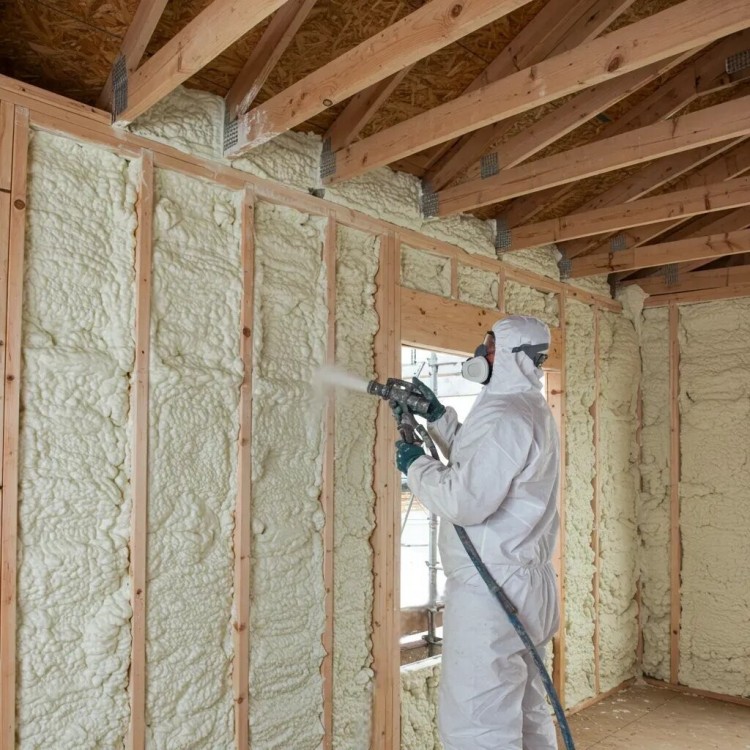
Residential spray foam insulation can improve sleep quality by directly addressing three of the most common environmental sleep disruptors: noise, temperature fluctuations, and poor air quality. By creating a nearly perfect air and sound barrier, spray foam helps maintain a quiet, temperature-stable bedroom with cleaner air. This controlled environment promotes deeper, more restorative sleep by minimizing the external factors that can cause a person to wake up or toss and turn during the night.
While most homeowners associate insulation with energy bills, its impact on the home's interior environment has a direct and often profound effect on well-being. A home that is properly insulated becomes a sanctuary from the outside world. Looking at the building science behind it reveals exactly how residential spray foam insulation creates an ideal sleep environment and what homeowners should consider when making this upgrade.
Creating a Quieter Bedroom for Undisturbed Rest
Noise is one of the leading causes of sleep disturbance. Even sounds that don't fully wake a person up can pull them out of deep sleep, leaving them feeling groggy and unrested in the morning. Traffic, barking dogs, loud neighbors, or even sounds from other rooms in the house can all interfere with a good night's sleep.

How Spray Foam Dampens Sound
Spray foam insulation is an exceptionally effective material for sound control because it works in two ways: it absorbs sound and it blocks it.
- Open-Cell Foam for Sound Absorption: This type of foam has a soft, spongy texture with interconnected cells. It’s excellent at absorbing sound waves, particularly mid to high-frequency sounds like voices or a television. When used in interior walls around bedrooms, it can make a dramatic difference in how much noise travels from the rest of the house.
- Closed-Cell Foam for Sound Blocking: This foam is dense and rigid. Its structure is very effective at blocking the transmission of sound, especially low-frequency noises like the rumble of traffic or machinery. When used in a home's exterior walls, it creates a formidable barrier against outside noise.
By filling every crack and cavity, both types of foam also eliminate the small gaps that sound waves can easily travel through, a common failing of traditional batt insulation.
Bonus Tip: For the ultimate quiet bedroom, a hybrid approach can be used. Insulating the exterior walls with closed-cell foam to block outside noise and the interior walls with open-cell foam to absorb household sounds can create a truly peaceful space.

Maintaining a Consistent Temperature All Night Long
The body's ability to regulate its temperature is a key part of the sleep cycle. A bedroom that is too hot or too cold, or one that experiences significant temperature swings during the night, can disrupt this process and lead to restless sleep. Drafts and cold spots are common culprits.
Eliminating Drafts and Temperature Swings
Spray foam’s greatest strength is its ability to create a complete air seal. By expanding to fill every gap in the building envelope, it stops air leakage. This has a direct effect on nighttime comfort:

- No More Cold Spots: The continuous barrier of foam prevents cold exterior air from affecting the temperature of the interior walls, eliminating the chilly feeling near windows or on outside walls.
- Stable Temperatures: The air seal means the room’s temperature stays remarkably consistent throughout the night, without the need for the furnace or air conditioner to constantly cycle on and off. This not only saves energy but also removes a major source of nighttime noise.
How Insulation Affects Nighttime Comfort
The differences in performance become clear when comparing spray foam to traditional materials.
|
Feature |
Spray Foam Insulation |
Traditional Fiberglass Batts |
|---|---|---|
|
Air Sealing |
Excellent. Fills all gaps. |
Poor. Gaps are common. |
|
Draft Elimination |
Excellent. Creates a complete barrier. |
Fair. Drafts can still occur. |
|
Temperature Stability |
Very High. Maintains consistent temp. |
Moderate. Prone to fluctuations. |
|
HVAC Cycling |
Reduced. The system runs less often. |
Frequent. System cycles to keep up. |
Breathing Cleaner Air for Healthier Sleep
Poor indoor air quality can also interfere with sleep. Airborne allergens like dust, pollen, and mold spores can cause congestion, sneezing, and other respiratory issues that make it difficult to breathe easily and sleep soundly.
A Barrier Against Allergens and Pollutants
Because spray foam creates such a tight air seal, it drastically reduces the amount of unfiltered outside air that enters the home. This means far fewer airborne allergens and pollutants can get in. The air that does enter the home comes through the intended ventilation system, which can be filtered. The National Sleep Foundation notes that allergens can lead to nasal congestion that disrupts sleep, so reducing them can lead to a more restful night.
Furthermore, closed-cell spray foam is waterproof and does not support the growth of mold or mildew. By keeping the wall cavities dry, it prevents the growth of these common indoor air contaminants, which are known to cause respiratory irritation.
Bonus Tip: For homeowners in areas with high pollen counts or other air quality concerns, pairing a spray foam-sealed home with a high-quality HVAC filter or a whole-home air purifier can create an exceptionally clean indoor environment.

Things to Consider Before You Insulate for Better Sleep
To get the most benefit, it's helpful to think about what is currently disturbing your sleep and to plan the insulation project accordingly.
Identify Your Primary Sleep Disruptor
- If Noise is the Problem: Focus on insulating the walls of the bedroom. Use closed-cell foam on exterior walls to block outside noise and open-cell foam on interior walls to absorb sounds from within the house.
- If Temperature is the Problem: The priority should be insulating the entire thermal envelope of the house, especially the attic and the rim joists in the basement or crawl space, as these are the areas of greatest heat loss and air leakage.
- If Allergies are the Problem: A complete air seal is the goal. This means a comprehensive application of spray foam to all exterior surfaces is the most effective approach.
The Need for Proper Ventilation
A home that is tightly sealed with spray foam needs a mechanical ventilation system to ensure a steady supply of fresh air. This is a good thing, as it allows for controlled, filtered air exchange. Systems like a Heat Recovery Ventilator (HRV) bring in fresh air while exhausting stale air and retaining the energy used to heat or cool it.
Questions About Insulation and Sleep Quality
Homeowners often have a few common questions about this process and its effects.
Which is better for soundproofing a bedroom, open-cell or closed-cell foam?
Open-cell foam is generally better for absorbing sound, making it the top choice for interior walls between rooms. Closed-cell foam is better at blocking sound, making it ideal for exterior walls to stop traffic noise from entering.
Will spray foam get rid of my nighttime allergies?
It can significantly reduce the amount of airborne allergens like pollen and dust that enter your home from the outside. However, it will not eliminate allergens that are generated inside the home, such as pet dander or dust mites.
Can I just insulate my bedroom walls to fix the temperature?
Insulating just the bedroom walls will help, but for the best temperature control, it's far more effective to insulate the entire building envelope. The attic is especially important, as a poorly insulated attic is a major source of heat loss in the winter and heat gain in the summer.
How long until I can sleep in a room after spray foam is installed?
Reputable installers will require that the home is well-ventilated and unoccupied for a period of 24 hours after installation. This allows the foam to fully cure and any odors to dissipate completely.
Will spray foam make my room completely silent?
No insulation can make a room 100% soundproof. However, spray foam can reduce noise levels to a point where they are no longer disruptive, making it much easier to fall asleep and stay asleep.
Getting Professional Guidance for a More Restful Home
Creating a home environment that promotes deep, restorative sleep is one of the best investments a person can make in their overall health. Because the application of spray foam is a technical process, consulting with experts is the best way to ensure it’s done right. For homeowners in the Seattle area, the team at Cascadia Spray Foam Insulation of Seattle has extensive experience in creating quiet, comfortable, and healthy homes. They can assess a home’s specific needs and recommend a tailored solution. They can be reached for a consultation at (425) 386-3500 or by email at info@cascadiasprayfoam.com.
Reviewer: Olivia Thompson has spent 10 years working in spray foam insulation, helping companies grow their visibility. She reviewed this article and provided valuable suggestions on how to better align the content with the needs and expectations of customers, ensuring it resonates with the target audience.





