

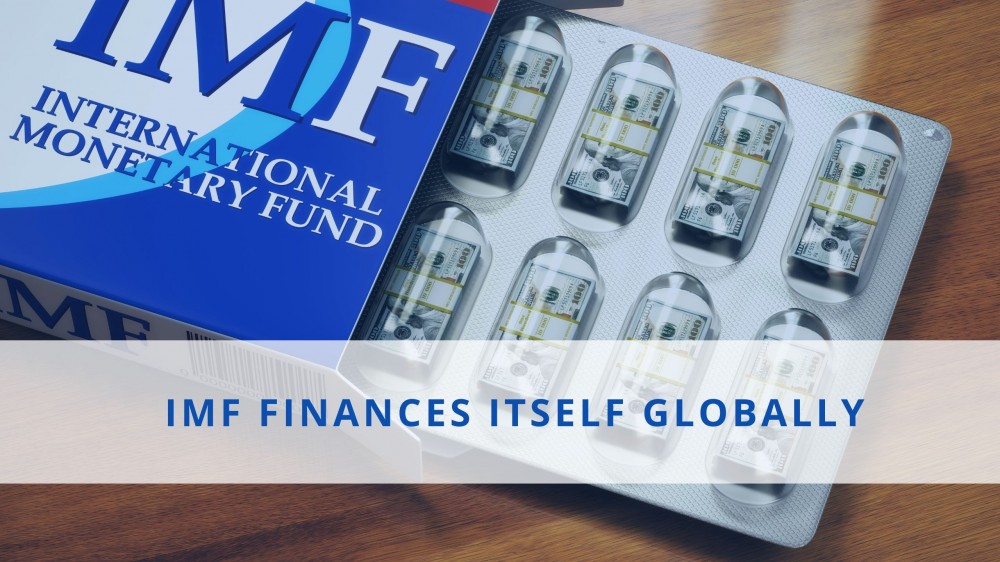
The International Monetary Fund (IMF) plays a crucial role in stabilizing the global economy, and understanding IMF Finances is essential to grasping its impact. IMF Finances enable the institution to provide loans, technical support, and policy guidance to countries facing economic challenges. By examining the sources, management, and utilization of these finances, we can understand how the IMF maintains liquidity, supports member nations, and reinforces confidence in international financial systems.
Member Quotas: The Backbone of IMF Finances
IMF Finances are primarily built on member quotas, contributions from the IMF’s 190+ member countries. Quotas determine a country’s financial commitment, access to lending programs, and voting power. Larger economies contribute more, while smaller nations contribute proportionally less, creating an equitable structure.
Quotas are paid in two forms: the member country’s own currency and widely accepted reserve currencies like the U.S. dollar, euro, yen, or pound sterling. This structure ensures liquidity, allowing IMF Finances to be deployed efficiently during economic crises. Quotas are reviewed periodically to maintain alignment with global economic changes.

Borrowing Arrangements: Expanding Financial Capacity
Beyond quotas, IMF Finances are reinforced through borrowing agreements. The New Arrangements to Borrow (NAB) and the General Arrangements to Borrow (GAB) allow the IMF to access additional funds from advanced and emerging economies when quota resources are insufficient.
These arrangements are vital during large-scale financial crises, enabling the IMF to provide multiple countries with support without overextending its core resources. The combination of quotas and borrowing agreements ensures IMF Finances remain flexible and resilient.
Gold Reserves: Strategic Financial Assets
Gold is an important component of IMF Finances. The IMF holds over 90 million ounces of gold, serving as a financial reserve. While rarely used for routine lending, gold can be monetized or revalued for special initiatives such as debt relief or stabilization programs in low-income countries.
This strategic approach to gold management ensures IMF Finances remain robust and provides a buffer against economic uncertainty, reinforcing global confidence in the institution.
Lending Programs: Deploying IMF Finances
IMF Finances are utilized through a variety of lending programs designed to meet member country needs:

-
Stand-By Arrangements (SBA): Short-term support for balance-of-payments difficulties.
-
Extended Fund Facility (EFF): Long-term assistance for structural economic reforms.
-
Rapid Financing Instrument (RFI): Emergency liquidity during crises like pandemics or natural disasters.
-
Poverty Reduction and Growth Trust (PRGT): Concessional loans for low-income nations.
These programs draw on quotas, borrowing, and interest income, with repayments ensuring IMF Finances remain available for future operations.
Income from Lending and Investments
IMF Finances are supplemented by interest income from loans and returns on investments. Interest rates vary based on program type and risk, generating revenue to support operational costs and maintain financial stability.
The IMF invests reserves in secure government securities, producing steady returns that complement lending income. This dual-income approach ensures IMF Finances remain sustainable, even during periods of lower lending activity.
Special Drawing Rights (SDRs) and Liquidity
Special Drawing Rights (SDRs) play a crucial role in IMF Finances. SDRs are international reserve assets allocated to member countries to enhance foreign currency reserves. Although not a currency, SDRs can be exchanged for freely usable currencies, providing liquidity during economic stress.
The value of SDRs is determined by a basket of major currencies including the U.S. dollar, euro, yen, pound sterling, and Chinese renminbi. Allocations such as the $650 billion SDR issuance in 2021 increase IMF Finances and strengthen global liquidity, particularly during crises.
Transparency and Accountability
Transparency is essential for IMF Finances. The IMF publishes annual reports, financial statements, and lending updates to ensure accountability. Independent audits and evaluations assess fund management, maintaining confidence among member countries and international stakeholders.
High transparency standards ensure IMF Finances are used responsibly, reinforcing trust in the IMF as a reliable institution for global economic support.
IMF Finances in Global Crisis Response
The resilience of IMF Finances becomes evident during global economic crises. During the 2008 financial meltdown and the COVID-19 pandemic, the IMF deployed billions in support to stabilize economies. Quotas, borrowing arrangements, and SDR allocations allowed rapid assistance without overextending core resources.
This capacity to act swiftly highlights the importance of IMF Finances in supporting economic stability, protecting employment, and restoring confidence in markets worldwide.
Evolving Financial Structures
IMF Finances continue to evolve to meet global economic challenges. Quotas are adjusted, borrowing arrangements expanded, and SDR allocations increased to maintain sufficient resources and equitable representation among member nations.
The evolving structure of IMF Finances enables the IMF to address emerging risks, support economic growth, and maintain international financial stability. This adaptability ensures IMF Finances remain a cornerstone of the global economy.
About Us:
At BusinessInfoPro, we empower entrepreneurs, small businesses, and professionals with cutting-edge insights, strategies, and tools to fuel growth. Driven by a passion for clarity and impact, our expert team curates’ actionable content in business development, marketing, operations, and emerging trends. We believe in making complex ideas simple, helping you turn challenges into opportunities. Whether you’re scaling, pivoting, or launching a new, Businessinfopro offers the guidance and resources to navigate today’s dynamic marketplace. Your success is our commitment, because when you thrive, we thrive together.





