Selling your car in Queensland can feel like a big job, especially if it’s your first time. Between getting the car ready, finding a buyer, and handling the paperwork, there are quite a few steps involved. But once you know how it all works, the process is actually quite simple.
This guide will take you through every stage of selling a car in Queensland, from preparing your vehicle to completing the final paperwork. Whether you are selling privately, to a dealer, or through a car removal service, these steps will help you sell with confidence and avoid common mistakes.
Step 1: Decide How You Want to Sell Your Car
Before anything else, decide how you want to sell your car. There are several ways to do it in Queensland, and each comes with its own advantages.

You can sell privately, which usually gives you the best price. However, it can take time to find a buyer, and you’ll need to handle the paperwork yourself.
You can also sell to a dealership. This option is quick and easy, but dealerships typically offer less money because they need to make a profit when they resell your car.
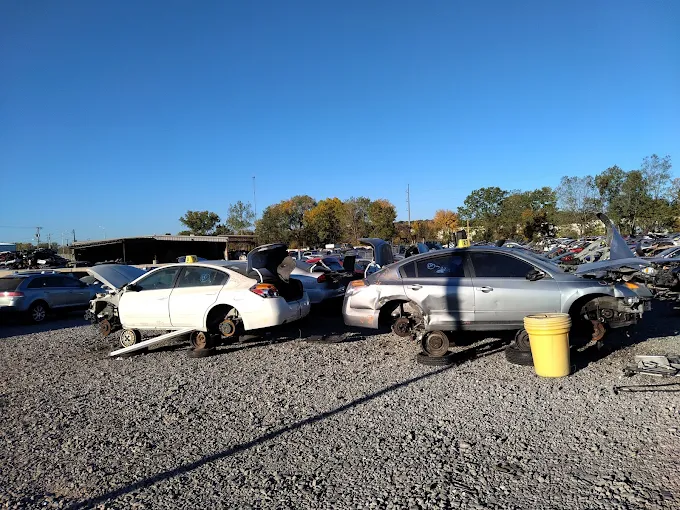
Another option is to sell to a car buying service or car removal company, especially if your car is old, damaged, or not running. These services buy cars in any condition, offer instant payment, and handle all the transfer paperwork for you.
The right choice depends on how quickly you want to sell, the condition of your car, and how much effort you’re willing to put into the process.
Step 2: Check Your Car’s Market Value
Before you advertise or talk to buyers, find out what your car is worth. Knowing the right price helps you set fair expectations and avoid losing money.
You can check websites like Carsales, Drive, or Facebook Marketplace to see what similar cars are selling for. Look for cars with the same make, model, year, and condition as yours.
Mileage, age, service history, and upgrades all affect value. Cars that are clean, well-maintained, and have full service records usually sell for a higher price.
If you want a more accurate figure, you can get a professional valuation from a mechanic or car buying service. Having a realistic price range makes it easier to negotiate later.
Step 3: Make Sure Your Car Is Roadworthy
In Queensland, you cannot legally advertise your car for sale unless you have a Safety Certificate. This document proves that your car meets the state’s basic road safety standards.
You can get a Safety Certificate from an approved inspection station or licensed mechanic. They’ll check your tyres, brakes, lights, steering, and other safety systems.
Once issued, the certificate is valid for two months or 2000 kilometres, whichever comes first. It must be displayed on your car’s windscreen or another visible spot while it’s being advertised for sale.
If your car fails the inspection, fix the issues and have it rechecked. Without a valid Safety Certificate, you can’t legally sell a registered vehicle in Queensland.
Step 4: Prepare Your Paperwork
Having your paperwork ready before you advertise makes the process smoother and avoids delays once you find a buyer.
You’ll need your registration certificate (rego papers), proof of ownership, and the Safety Certificate. It’s also good to have your car’s service history, any receipts for repairs, and documents showing upgrades or modifications.
If your car is under finance, contact your lender for a payout letter that shows how much you owe. You can’t sell a car with money still owing on it unless the loan is paid out or the buyer agrees to take on the finance.
Keeping your documents organised makes you look professional and gives buyers confidence that everything is legitimate.
Step 5: Clean and Prepare Your Car
First impressions matter. A clean car attracts more interest and helps you sell faster.
Wash and polish the exterior, vacuum the interior, and remove all personal items. Clean the dashboard, windows, and seats to make your car look well cared for.
If your car has small scratches or dents, consider fixing them if it’s affordable. Also check that everything works, including the lights, horn, wipers, and air conditioning.
If you have time, getting a professional detail can make your car look almost new. Buyers are more likely to pay a better price when the car looks tidy and well maintained.
Step 6: Advertise Your Car
Once your car is clean and your paperwork is ready, it’s time to advertise.
The best way is online, using platforms like Carsales, Facebook Marketplace, or Gumtree. Write a clear and honest description that includes your car’s make, model, year, mileage, transmission type, fuel type, and any features.
Include your contact details and a fair asking price. Be upfront about your car’s condition. If there are any faults or cosmetic issues, mention them. Buyers appreciate honesty, and it helps you avoid wasting time on people who might walk away later.
Take clear photos in good lighting. Capture the front, back, and both sides of the car, along with interior shots and a photo of the odometer. Quality photos help your ad stand out.
If you prefer not to sell online, you can still put a “For Sale” sign on your car’s window when parked in a busy area.
Step 7: Handle Enquiries and Test Drives
Once your ad is live, be ready to answer questions. Respond politely and provide honest information about your car.
When someone wants to inspect or test drive the car, arrange to meet in a safe, public place, such as a shopping centre car park or service station.
Always ask to see the buyer’s driver licence before a test drive and go along with them. Never hand over your car without being present.
If a buyer makes an offer that’s close to your asking price, take time to think it over. If it’s too low, you can politely say no or make a counteroffer.
Staying calm and friendly during negotiations helps you build trust and reach a fair deal.
Step 8: Finalise the Sale and Payment
Once you agree on a price, it’s time to complete the sale.
Both you and the buyer must fill out a Vehicle Registration Transfer Application (Form F3520). You can complete it online through the Department of Transport and Main Roads (TMR) website or fill out a paper version.
The buyer has 14 days to submit the form and pay the transfer fee. Make sure you keep a copy of the completed form for your records.
Always confirm full payment before handing over the keys. The safest methods are cash or direct bank transfer. If the buyer pays by bank transfer, wait until the funds clear before you finalise the deal.
Once paid, give the buyer a receipt of sale with the date, amount, your details, and the buyer’s details. This acts as proof that ownership has changed.
Step 9: Transfer or Cancel Registration
After selling your car, you must make sure the registration is transferred to the buyer. If you complete the process online, it’s usually instant.
If your car is unregistered, remove the number plates and return them to TMR. You may be able to claim a refund for any unused registration or compulsory third-party (CTP) insurance.
If you sold your car to a dealership or car removal company, they’ll normally handle this part for you.
Completing the transfer protects you from future fines or tolls linked to the car.
Step 10: Keep Copies of Everything
Even after the sale, keep copies of all important documents, including the transfer form, Safety Certificate, and receipt of sale.
These records can protect you if any disputes arise or if the buyer delays transferring the registration.
Having proof that you completed the sale properly ensures you won’t be responsible for anything that happens with the car later.
Step 11: Selling to a Car Removal Service
If your car is no longer roadworthy, has major damage, or isn’t worth repairing, selling it to a car removal company can save you time and stress.
These services buy all types of vehicles, whether they run or not. You simply contact them, get a quote, and they’ll come to collect the car. They usually offer free towing and pay you cash or bank transfer on the spot.
The best part is that they handle all the paperwork for you, including the registration transfer. This makes it one of the easiest ways to sell a car in Queensland, especially if it’s no longer usable.
Step 12: Stay Safe Throughout the Process
Safety is important when selling your car privately. Always meet buyers in public places, avoid sharing unnecessary personal details, and never leave your car unattended during test drives.
If you’re unsure about a buyer, it’s okay to walk away or bring a friend with you to the meeting.
Taking small precautions helps make the process stress-free and safe for both you and the buyer.
Selling your car in Queensland doesn’t have to be complicated. Once you know the right steps, the process is smooth and straightforward.
Start by deciding how you want to sell, get a Safety Certificate, prepare your documents, and advertise your car honestly. Always make sure payment is complete and paperwork is submitted before handing over the keys.
If you prefer a quick and easy option, car removal services are a great choice. For those looking for the best price, a private sale may be worth the extra effort.
By following this simple step-by-step process, you can sell your car safely, legally, and with confidence, knowing you’ve done everything the right way.