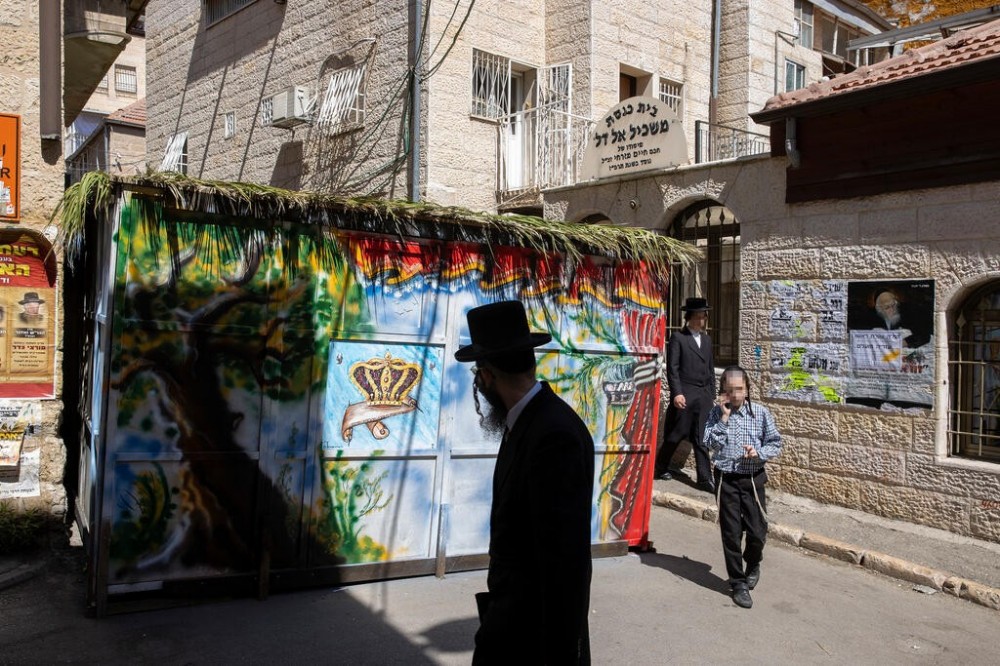
Sukkot 2025, one of the most joyous and spiritually rich festivals in the Jewish calendar, will be celebrated from the evening of October 13 to the evening of October 20, 2025. Known as the Feast of Tabernacles or the Festival of Booths, Sukkot marks a time of thanksgiving, reflection, and unity for the Jewish people. This vibrant week-long celebration follows the solemn holidays of Rosh Hashanah and Yom Kippur, bringing a spirit of joy and gratitude to Jewish homes and communities around the world.
In this comprehensive guide, we’ll explore the origins, customs, traditions, and modern celebrations of Sukkot 2025, as well as how Jerusalem becomes a central hub of festivity during this sacred time.
The Meaning and Origins of Sukkot
The festival of Sukkot dates back over three thousand years and is rooted in both biblical history and agricultural tradition. The word Sukkot (סֻכּוֹת) is the plural form of Sukkah, meaning a hut or temporary dwelling. In the Book of Leviticus (23:33–43), God commands the Israelites to live in sukkot for seven days to commemorate the 40 years they spent wandering in the desert after leaving Egypt.

During those years, the Israelites lived in fragile shelters, depending entirely on God for their sustenance and protection. Sukkot, therefore, symbolizes faith, trust, and divine providence, reminding Jews to appreciate life’s temporary nature and the importance of gratitude for spiritual and physical blessings.
Agriculturally, Sukkot is also known as the Harvest Festival. It marks the time when the final crops of the year were gathered in ancient Israel, making it a time of thanksgiving for abundance.
When is Sukkot 2025?
Sukkot 2025 begins on Monday evening, October 13, and continues until Monday evening, October 20. The first two days are Yom Tov (holy days), during which traditional restrictions on work apply. The following five days are known as Chol HaMoed, semi-festive days that balance celebration with daily life.
The festival concludes with Shemini Atzeret and Simchat Torah—two additional joyous days that celebrate the completion and restarting of the Torah reading cycle.
Building the Sukkah
A defining feature of Sukkot is the Sukkah, the temporary outdoor structure in which families eat, socialize, and sometimes even sleep during the week-long celebration.

Building a Sukkah is an act of both devotion and creativity. The walls can be made from wood, canvas, or other sturdy materials, while the roof—known as schach—must be made from natural, unprocessed vegetation like palm branches, bamboo, or corn stalks. The schach must provide more shade than sunlight while still allowing one to see the stars through it at night.
Families often decorate their Sukkot with colorful paper chains, fruits, lights, and Jewish artwork, making each booth a personal reflection of joy and gratitude.
The Four Species (Arba Minim)
Another key element of Sukkot is the mitzvah of the Four Species, known as the Arba Minim. These are:
- Etrog – a citron fruit symbolizing the heart.
- Lulav – a palm branch representing the spine.
- Hadasim – three myrtle branches representing the eyes.
- Aravot – two willow branches representing the lips.
During Sukkot prayers, these four species are held together and waved in six directions (north, south, east, west, up, and down), symbolizing God’s omnipresence and sovereignty over all creation.
Sukkot in Jerusalem: A Festival of Unity
Jerusalem holds a special place during Sukkot, attracting thousands of worshippers and tourists from across the globe. The city’s streets are filled with handmade sukkot, joyful singing, and public celebrations.
The Western Wall (Kotel) becomes a focal point during the festival, especially for the Birkat Kohanim (Priestly Blessing), when hundreds of Kohanim (priests) bless the crowds gathered in the Old City. The energy, emotion, and unity felt at this event are unlike anything else, connecting modern Israel with its biblical heritage.
Markets like Machane Yehuda and the Old City bazaars bustle with shoppers buying lulavim, etrogim, and decorations, making Jerusalem during Sukkot a living tapestry of tradition, spirituality, and joy.
Hospitality and the Ushpizin Tradition
Sukkot is not just about physical structures—it’s also about hospitality and inclusion. The Talmudic concept of Ushpizin (guests) encourages families to invite symbolic spiritual guests such as Abraham, Isaac, Jacob, and others into their sukkah.
In practice, this has evolved into a beautiful custom of welcoming real guests—friends, neighbors, and strangers—into the sukkah. This act reinforces the values of kindness, generosity, and community that lie at the heart of the festival.
Traditional Sukkot Foods
Food plays a central role in Sukkot celebrations, with families enjoying meals under the sukkah throughout the week. While there’s no single required dish, certain foods have become traditional favorites:
- Stuffed vegetables (symbolizing abundance)
- Honey cakes and pastries (continuing the sweetness of the New Year)
- Fresh fruits and grains (marking the harvest season)
- Wine and grape juice (symbols of joy and blessing)
Meals are often festive, featuring singing, Torah discussion, and blessings of gratitude for life’s gifts.
Simchat Beit HaShoeva: The Water-Drawing Celebration
In ancient times, a grand ceremony known as Simchat Beit HaShoeva—the Water-Drawing Celebration—was held during Sukkot in the Temple in Jerusalem. Water was drawn from the Shiloach Spring and poured onto the altar, symbolizing joy, blessing, and divine abundance.
Today, this joyous tradition continues through singing, dancing, and live music in synagogues and public spaces, especially in Jerusalem and other Israeli cities. It serves as a reminder that true happiness flows from spiritual connection and community.
Sukkot 2025 Events and Pilgrimages
In 2025, as in every year, thousands of Jews from around the world will make pilgrimages to Jerusalem to celebrate Sukkot. The Old City’s streets come alive with guided tours, musical performances, and family-friendly activities.
Highlights include:
- The Jerusalem March, where thousands parade through the city with flags, costumes, and music.
- Public Sukkot meals and concerts at cultural centers.
- Art and heritage exhibitions focusing on Jewish history and harvest traditions.
- Festive prayers at the Western Wall and local synagogues.
Sukkot 2025 in Jerusalem will offer visitors an unforgettable mix of faith, festivity, and unity.
Sukkot Around the World
While Jerusalem remains the heart of Sukkot celebrations, Jewish communities worldwide embrace the festival with great enthusiasm. In New York, Paris, London, and Toronto, public sukkot are built in community centers and parks, allowing Jews of all backgrounds to share in the joy.
In Israel’s smaller towns, Sukkot often feels like an extended family holiday, with open houses, street performances, and community dinners. The spirit of togetherness bridges generations and reminds participants of their shared heritage.
Sukkot and Nature: A Connection to the Earth
Sukkot beautifully merges spirituality with environmental awareness. Living in a temporary hut under natural branches helps people reconnect with nature and simplicity. It serves as a gentle reminder to value the earth’s gifts, reduce material excess, and live sustainably.
In recent years, eco-conscious sukkot built from recycled or biodegradable materials have become popular, aligning ancient tradition with modern environmental values.
The Spiritual Lessons of Sukkot
Beyond its rituals and celebrations, Sukkot carries profound spiritual messages. It teaches humility—living in a temporary shelter reminds us that material possessions are fleeting. It teaches gratitude—for harvests, family, and divine protection. And most importantly, it inspires joy, as the Torah commands: “You shall rejoice in your festival and be altogether joyful” (Deuteronomy 16:14–15).
Sukkot 2025 invites Jews everywhere to renew their faith, embrace gratitude, and share happiness with others.
Paamonim Hotel – The Perfect Stay for Sukkot in Jerusalem
If you’re planning to experience Sukkot 2025 in Jerusalem, staying at the Paamonim Hotel offers the ideal combination of comfort, location, and cultural connection. Situated in the heart of Jerusalem, just a short walk from the Old City and Machane Yehuda Market, Paamonim Hotel provides guests with modern amenities and warm hospitality rooted in traditional values.
During Sukkot, the hotel transforms into a welcoming retreat for travelers and families, complete with a beautifully decorated sukkah where guests can enjoy festive meals and connect with fellow visitors. Whether you’re coming for prayer at the Western Wall or to participate in the city’s vibrant events, Paamonim Hotel ensures a memorable and spiritually enriching experience that perfectly complements the beauty of Sukkot.
Sukkot 2025: A Time of Joy, Faith, and Togetherness
As Sukkot 2025 approaches, the festival stands as a timeless reminder of resilience, gratitude, and joy. From the humble sukkah to the lively streets of Jerusalem, every moment of this sacred week encourages reflection, connection, and celebration.
Whether you’re celebrating at home, in a synagogue, or amidst the spiritual energy of Jerusalem, Sukkot offers an opportunity to pause, appreciate life’s blessings, and rejoice in unity with others.
May Sukkot 2025 bring light, happiness, and divine peace to all who celebrate — Chag Sameach!