

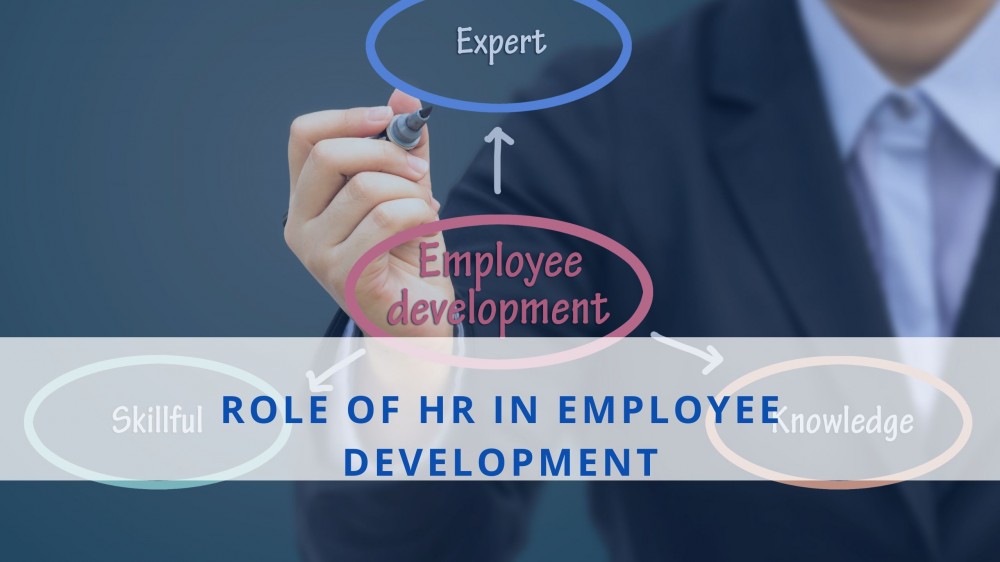
In today’s dynamic business landscape, organizations are increasingly recognizing the vital role Human Resources (HR) plays in driving talent growth, skill advancement, and long-term business success. Central to this transformation is the concept of Employee Development — a strategic process through which HR nurtures individual potential while aligning workforce capabilities with organizational goals. As industries evolve with technology and globalization, HR’s responsibility in fostering Employee Development has expanded beyond training programs to a holistic approach that integrates leadership, innovation, and learning culture.
The Expanding Scope of HR in the Modern Era
The traditional HR model primarily focused on administrative tasks such as recruitment, payroll, and compliance. However, the modern HR function now serves as a growth enabler that emphasizes Employee Development and organizational transformation. The shift toward people-centric strategies reflects a broader understanding of how workforce skills influence competitiveness. HR now integrates data analytics, digital tools, and employee engagement practices to promote continuous learning, career growth, and development opportunities for all levels of the organization.
Why Employee Development Is the Heart of Workforce Excellence
Employee Development forms the backbone of workforce excellence. When HR invests in upskilling and reskilling programs, employees gain the confidence and competence to perform effectively in rapidly changing environments. This development not only improves productivity but also fosters innovation and collaboration across departments. A well-designed Employee Development strategy ensures that employees evolve alongside organizational goals, creating a culture of adaptability and resilience.

HR as a Strategic Partner in Organizational Growth
Modern organizations treat HR as a strategic partner rather than a support department. HR leaders collaborate with top management to align Employee Development initiatives with long-term business objectives. By analyzing skill gaps, HR can design training programs that prepare the workforce for upcoming industry trends and technological changes. This proactive approach positions HR as a key driver of innovation, ensuring that the company maintains its competitive edge in the global market.
The Digital Transformation of Employee Development
Digitalization has revolutionized HR practices, particularly in Employee Development. Advanced tools such as Learning Management Systems (LMS), AI-powered career platforms, and e-learning modules allow employees to access training anytime, anywhere. HR leverages artificial intelligence to personalize development programs based on performance data, skill assessments, and career goals. Gamified learning platforms, virtual simulations, and mobile-based training apps have made Employee Development more engaging, efficient, and measurable than ever before.
Building Personalized Learning Experiences
One-size-fits-all development models are no longer effective in a diverse workforce. HR innovation now focuses on creating personalized learning experiences that cater to individual aspirations and learning styles. By using analytics and digital tools, HR identifies each employee’s strengths, weaknesses, and goals to design tailored development pathways. Personalized Employee Development enhances motivation, job satisfaction, and retention, ensuring that employees feel valued and supported in their professional journey.
Integrating Employee Development with Business Outcomes
To ensure long-term value, HR integrates Employee Development with key business metrics such as productivity, innovation, and customer satisfaction. Development initiatives are designed not just to improve skills but also to deliver measurable results. For instance, training employees on advanced data analytics can directly enhance decision-making capabilities across departments. This approach helps HR demonstrate the tangible return on investment (ROI) of Employee Development, making it a central part of organizational strategy.
Leadership Development and Succession Planning
HR plays a crucial role in identifying and grooming future leaders through comprehensive leadership development programs. These initiatives go beyond technical training to focus on emotional intelligence, strategic thinking, and communication skills. By aligning leadership development with succession planning, HR ensures business continuity and stability. Effective Employee Development programs create a leadership pipeline capable of driving innovation and managing change, especially in volatile business environments.

Encouraging a Learning and Growth-Oriented Culture
A culture of continuous learning is a hallmark of successful organizations. HR departments encourage this culture by promoting curiosity, knowledge sharing, and open communication. Through Employee Development initiatives, HR creates opportunities for collaboration and peer learning, enabling employees to exchange ideas and expertise. Recognition programs and internal mentorship further reinforce this culture, making learning an integral part of daily work life rather than a separate activity.
Measuring the Impact of Employee Development
Modern HR departments rely on analytics to measure the impact of Employee Development. Key metrics such as employee engagement, skill proficiency, training completion rates, and career progression are used to assess program effectiveness. HR can also use predictive analytics to anticipate future skill demands and align training accordingly. These insights help HR refine strategies, allocate resources efficiently, and demonstrate the value of development programs to senior management.
The Role of HR Technology in Empowering Growth
The adoption of HR technology has significantly enhanced Employee Development outcomes. Artificial intelligence enables predictive learning, while machine learning algorithms identify emerging skill gaps. Cloud-based HR platforms centralize training content, making it easier to manage and monitor development activities. Virtual reality (VR) and augmented reality (AR) tools offer immersive learning experiences for complex skill development. By embracing technology, HR ensures that Employee Development remains agile, data-driven, and impactful.
Fostering Diversity and Inclusion Through Development
Employee Development also plays a vital role in promoting diversity and inclusion. HR ensures equal access to training and advancement opportunities for employees across different backgrounds, genders, and geographies. Inclusive development programs foster a sense of belonging and encourage diverse perspectives in decision-making. This inclusive approach not only enhances creativity but also strengthens organizational resilience and social responsibility.
Overcoming Challenges in Employee Development
While the benefits of Employee Development are clear, HR professionals often face challenges such as limited budgets, resistance to change, and inconsistent engagement. To overcome these barriers, HR must secure executive buy-in, leverage cost-effective digital tools, and communicate the personal and professional benefits of learning programs. Encouraging employees to take ownership of their development journey can also increase participation and long-term commitment.
The Future of HR in Employee Development Excellence
As workplaces evolve, the HR function will continue to adapt and expand its influence on Employee Development. Emerging technologies such as AI coaching, virtual mentorship, and real-time skill analytics will shape the future of learning and growth. HR will play an even more strategic role in building adaptive, future-ready workforces capable of thriving in fast-changing environments. Organizations that invest in continuous Employee Development today will be better positioned to lead tomorrow’s innovation-driven economy.
Empowering Growth Through Strategic HR Leadership
HR’s evolving role in Employee Development excellence underscores its importance in organizational growth. By integrating technology, strategy, and human connection, HR empowers employees to reach their full potential. As the bridge between people and performance, HR ensures that Employee Development is not merely an initiative but a long-term commitment to excellence. Through visionary leadership, HR transforms learning into a powerful engine for business success, innovation, and sustainable growth.
About Us:
At BusinessInfoPro, we empower entrepreneurs, small businesses, and professionals with cutting-edge insights, strategies, and tools to fuel growth. Driven by a passion for clarity and impact, our expert team curates’ actionable content in business development, marketing, operations, and emerging trends. We believe in making complex ideas simple, helping you turn challenges into opportunities. Whether you’re scaling, pivoting, or launching a new, Businessinfopro offers the guidance and resources to navigate today’s dynamic marketplace. Your success is our commitment, because when you thrive, we thrive together.





