

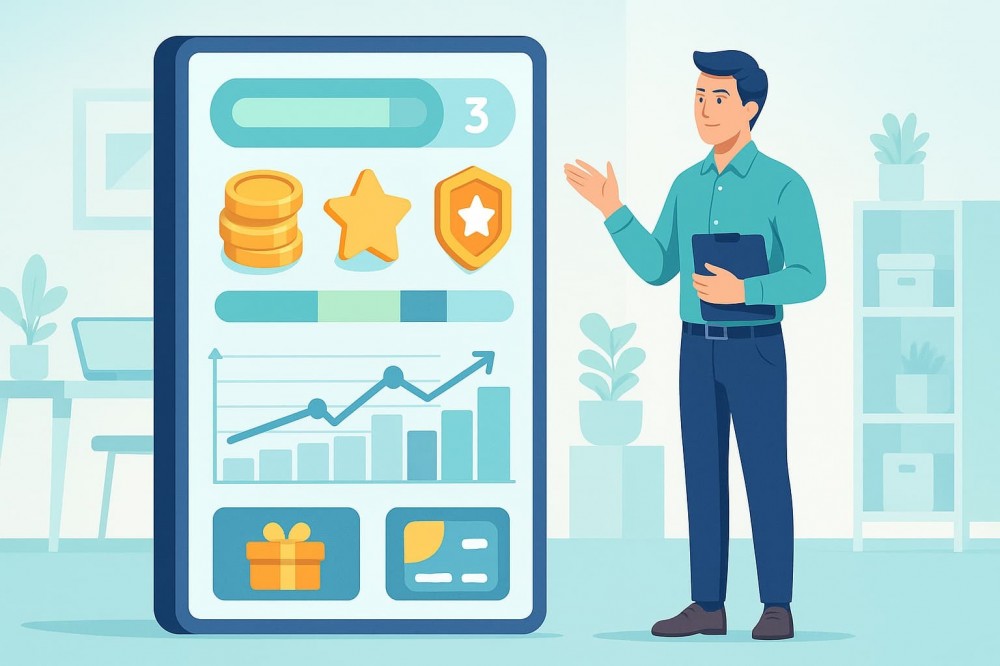
Every small business dreams of consistent repeat customers, yet very few manage to maintain that momentum. Traditional loyalty methods like stamp cards or flat discounts have lost their power in a fast digital world. Consumers expect something more dynamic and interactive. This is where gamification is transforming the way small businesses attract and retain customers.
Gamified loyalty programs merge fun with strategy. Instead of offering routine discounts, businesses now create interactive systems using points, levels, and digital rewards. These systems motivate customers to return more frequently, engage longer, and build a personal connection with the brand.

Why gamification is becoming the new loyalty language
Gamification works because it taps into a simple human truth: people love progress. When customers see measurable achievements, such as collecting points or unlocking badges, they feel emotionally rewarded. It is not just about earning something material, but about feeling recognized.
This sense of progress makes engagement habitual. The customer begins to associate your brand with achievement and satisfaction. Over time, it becomes part of their routine. This approach works across all industries, from food delivery to fashion retail, because it creates an emotional loop rather than a transactional one.
How gamified loyalty programs work in practice
Modern loyalty systems combine elements of game design with real business incentives. Customers are rewarded not only for purchases but for engagement activities such as referrals, reviews, or even social shares. The structure usually includes:

- Points systems where customers earn digital credits for every purchase or interaction.
- Milestone badges that reward achievements such as spending targets or repeat visits.
- Tier-based rewards that give long-term customers early access to new products or exclusive experiences.
- Leaderboards that encourage friendly competition and social visibility among participants.
Each of these components gives the customer a reason to return. They are not simply buying; they are participating in something they can see and measure.
The digital rewards behind modern gamification
Behind every successful loyalty system is a network of rewards that feel real and immediate. Instead of delayed benefits or physical coupons, digital rewards deliver instant gratification. Customers redeem them immediately within the apps and platforms they already use daily.
That is where specialized platforms come in. Businesses now integrate verified digital codes and prepaid cards to keep their reward ecosystems automated and scalable. Platforms like FreeGiftZone.in help small firms manage100s play store redeem codes that are distributed as milestone rewards, referral bonuses, or leaderboard incentives. These codes are simple to send, easy to track, and instantly usable.
Digital codes appeal to customers because they feel like personal prizes. They can be redeemed immediately for something of value, such as app purchases or entertainment. For the business, these codes reduce manual work, eliminate physical distribution, and keep records organized in one place.
Case studies of gamification in small business marketing
Several small businesses across industries have already adopted this strategy successfully.
Local cafés are rewarding customers with points for every visit through mobile apps. Once a customer collects enough points, they can redeem a small digital voucher that makes their next visit feel earned rather than discounted.
E-commerce startups are using tiered systems where users gain levels for frequent purchases. Each level unlocks digital gift cards or surprise codes, keeping users curious and motivated.
Service providers such as gyms or online learning platforms now integrate gamified dashboards. Members see their activity progress and receive redeemable digital codes after completing certain milestones.
All these examples share one goal: turning everyday engagement into long-term loyalty.
Why this approach is perfect for small businesses
Gamification levels the playing field. It lets small firms compete with larger brands without spending heavily on advertising. A well-structured loyalty program can replace traditional marketing costs with repeat customer value.
Unlike expensive ad campaigns, gamified loyalty programs rely on behavioral psychology and consistent engagement. Customers who feel emotionally invested return more often and bring others along. That means better retention, lower churn, and a higher average order value.
Another advantage is simplicity. Digital codes and automated tracking make it easy for small business owners to manage rewards without complicated systems. They can monitor participation, identify their most active users, and analyze redemption rates to optimize campaigns.
The data advantage of digital loyalty programs
Modern gamified loyalty programs come with built-in analytics. Every point earned and every code redeemed provides valuable data. Businesses can see what motivates customers most and adjust their campaigns in real time.
By studying these patterns, small businesses can refine their customer journey and identify which rewards deliver the highest engagement. That insight is more powerful than any discount campaign because it gives a long-term picture of customer behavior.
Building credibility and trust through verified digital codes
Customers today care about security. Many hesitate to join loyalty programs because of spam or fake reward scams. Using verified digital platforms ensures transparency. When rewards are distributed through official channels, every code can be tracked and verified.
Through platforms such as FreeGiftZone.in, businesses gain access to secure, authentic digital codes that can be customized and distributed safely. Customers trust rewards that arrive instantly and work without technical complications. That trust directly strengthens brand reputation.
How to design an effective gamified loyalty program
- Start with clear goals. Define what you want to achieve — more purchases, referrals, or engagement.
- Design rewards around customer motivation. Keep them relevant, attainable, and exciting.
- Use digital delivery systems. Choose platforms that handle secure code management and distribution.
- Measure engagement regularly. Track participation rates and identify which actions lead to higher returns.
- Keep it dynamic. Add new challenges or milestone events each month so customers always have something fresh to achieve.
Long-term benefits for customer relationships
Gamified loyalty programs are not about one-time wins. They build long-term relationships through continuous engagement. When customers feel that their participation is noticed and rewarded, they become advocates rather than just buyers.
In the long run, this strategy reduces acquisition costs and turns occasional visitors into repeat clients. Even small incremental improvements in retention translate into major revenue gains.
Conclusion
Gamified loyalty programs are redefining small business marketing. They transform ordinary transactions into experiences that customers genuinely enjoy. By incorporating points, milestones, and verified digital rewards, businesses can build stronger emotional connections and measurable growth.
Platforms like FreeGiftZone.in simplify this entire process by managing 100s play store redeem codes that small firms can distribute during contests, milestone celebrations, or seasonal promotions. It gives entrepreneurs a modern toolkit to retain customers, encourage engagement, and create sustainable growth.
In a market where attention is the real currency, gamification is not just a marketing trend, it is a long-term loyalty strategy that keeps customers coming back again and again.





