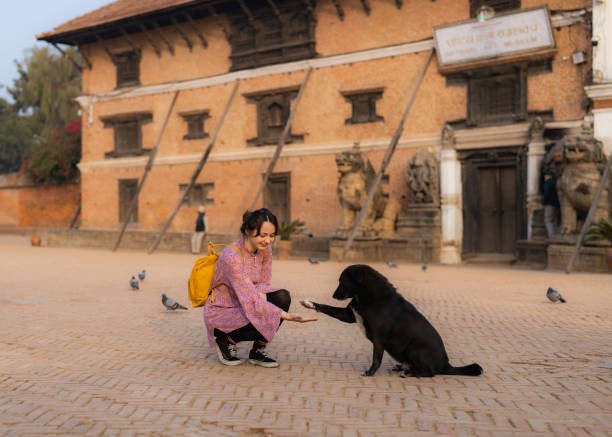
Among the snow-covered peaks and quiet valleys of Tibet lies the origin of one of the most spiritual and loyal dog breeds in the world. Tibetan temple dogs have been companions of monks and guardians of monasteries for centuries. Their lives were intertwined with faith, culture, and devotion, making them more than just animals. These dogs symbolized protection, purity, and peace. The monks who cared for them saw them as spiritual beings, not mere pets. They were bred to protect sacred temples, alerting monks of any intruders, yet their presence was equally a symbol of harmony and awareness.
Living in a deeply spiritual environment, these dogs absorbed the calm and disciplined energy that surrounded them. The relationship between the monks and their dogs was built on respect, compassion, and mutual trust. They shared food, silence, and even meditation spaces, creating a bond that was rooted in understanding rather than dominance. Tibetan temple dogs were seen as part of the monastic family, guarding both the physical and spiritual essence of their surroundings.
The Role of Tibetan Temple Dogs in Monastic Life
Daily life in Tibetan monasteries followed a rhythm of prayer, meditation, and devotion. In this environment, these dogs played a special role. They were not loud or aggressive but observant and wise. Their calm temperament made them ideal companions in places where silence and focus were valued. Monks often spoke of their dogs as protectors guided by instinct and spiritual energy. They believed these animals had the ability to sense good and bad intentions in people.

Their watchful eyes, always alert, kept the monastery safe from both physical harm and negative influences. Tibetan temple dogs learned to move quietly through sacred spaces, never disrupting rituals or chants. Their sensitivity to their surroundings gave them a rare ability to connect with the emotional state of the monks, offering silent comfort in moments of solitude. These dogs were as much a part of temple life as the monks themselves, their presence reminding everyone of loyalty, peace, and mindful living.
The Unique Characteristics of Tibetan Temple Dogs
The physical and emotional qualities of these dogs are a reflection of their environment. Strong, resilient, and calm, they were built to survive the high altitudes and cold winds of Tibet. Their thick coats kept them warm during harsh winters, and their alert expressions revealed intelligence and awareness. What makes Tibetan temple dogs stand out is their balance between independence and affection. They form deep connections with their caretakers but never lose their self-reliant spirit.
They do not constantly seek attention but value genuine companionship. Their temperament is neither aggressive nor timid but steady and confident. These dogs are intelligent observers, capable of understanding emotions and responding with empathy. Their movements are graceful, their demeanor composed, reflecting years of adaptation to a peaceful and disciplined lifestyle. They are natural guardians who watch over their families with quiet determination. Even in modern homes, they carry the same qualities that once made them protectors of sacred places.
The Spiritual Symbolism Behind the Breed
In Tibetan Buddhism, every living being has a purpose and an energy that contributes to the harmony of the universe. Tibetan temple dogs were seen as manifestations of divine guardianship. They were thought to ward off negative spirits and maintain balance within sacred grounds. Monks often described them as animals with ancient souls, capable of sensing emotions and energies unseen by the human eye. Their loyalty and calmness were admired as reflections of Buddhist virtues such as mindfulness and compassion.
When they guarded temple entrances, it was believed that their presence alone could keep negativity away. They became symbols of patience and courage, teaching lessons about self-control and awareness. To many, their protective instincts were not only physical but spiritual. They reminded people that peace requires vigilance, that love can be expressed through silence, and that wisdom often comes from observation rather than action.
Tibetan Temple Dogs in the Modern World
As travelers and explorers discovered Tibet, the admiration for these dogs spread beyond the mountains. Over time, they found their way into homes and hearts across the world. Despite changes in their environment, their essence remained the same. Modern owners describe them as calm and emotionally intelligent companions who bring a sense of balance to the home. They adapt well to family life but retain a deep sense of individuality. Tibetan temple dogs are not suited for chaotic or noisy lifestyles.
They prefer peaceful surroundings where they can feel secure and valued. Their protective nature remains strong, making them excellent guardians for families. However, they require gentle handling and mutual respect. They respond to kindness and patience rather than strict discipline. Their loyalty is unwavering, and once they bond with someone, their devotion lasts a lifetime. Their connection to humans is not built on need but on trust and love, reflecting the wisdom of their ancient lineage.
Caring for Tibetan Temple Dogs with Understanding
Caring for a dog with such a spiritual background means understanding its emotional and physical needs. They require regular grooming due to their thick coats and benefit from moderate daily exercise to maintain their health. Mental stimulation is just as important, as these dogs are thoughtful and observant. They enjoy quiet companionship and dislike being left alone for long periods.
Their training should be based on respect, not force, as they are sensitive and quick to sense emotion. Positive reinforcement helps them learn and grow in confidence. Tibetan temple dogs value routines that provide security and calmness. Their diet should be balanced, their environment peaceful, and their owners patient. With the right care, they live long, fulfilling lives, offering endless affection and wisdom to those who understand them.
FAQs
What is the origin of Tibetan temple dogs?
They originated in the monasteries of Tibet, where monks raised them as protectors of sacred grounds and symbols of spiritual balance.
Are Tibetan temple dogs good for families?
Yes, they are loyal, protective, and gentle, making them wonderful companions for calm and loving households.
Do Tibetan temple dogs need a lot of exercise?
They do not require excessive activity but appreciate regular walks and time to explore their surroundings in peace.
Are Tibetan temple dogs easy to train?
They are intelligent and independent, responding best to patient and consistent training based on mutual respect.
What makes Tibetan temple dogs unique?
Their spiritual heritage, calm temperament, and deep emotional intelligence make them unlike any other breed in the world.
Conclusion
Tibetan temple dogs are living embodiments of harmony, devotion, and peace. Their story began in ancient monasteries where they stood watch over monks and sacred halls, absorbing the calmness and spirituality of their surroundings. Through centuries, they have carried forward the values of loyalty, mindfulness, and compassion. In modern homes, they remain symbols of wisdom and emotional balance, reminding humans of the power of patience and quiet understanding.
To live with one of these dogs is to experience a connection that transcends words. Their presence brings serenity, their loyalty teaches love without attachment, and their gaze reflects the timeless spirit of the Himalayas. Tibetan temple dogs continue to represent not just a breed but a way of life, a living bridge between the human soul and the peaceful stillness of nature itself.