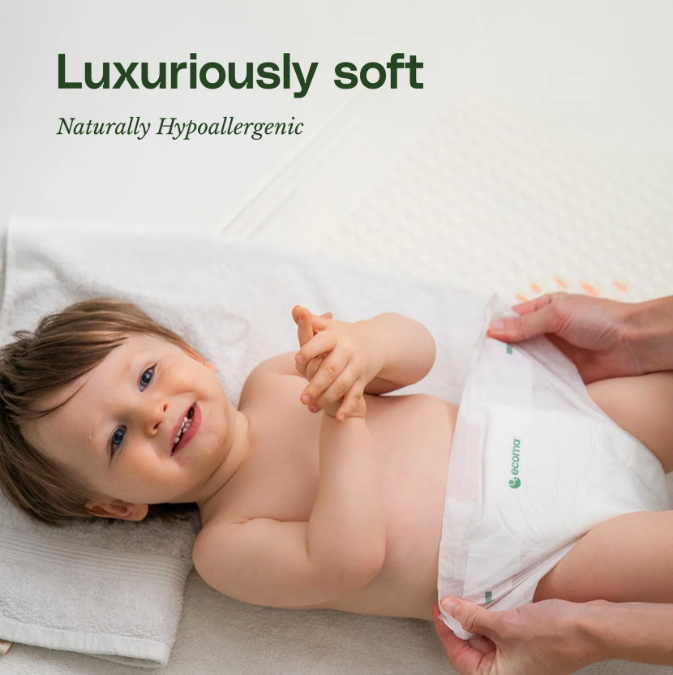
In the modern world, parents are increasingly aware of the impact their choices have on the environment and their children's health. One of the most significant changes that eco-conscious parents can make is switching from traditional disposable diapers to natural diapers. With the growing demand for eco-friendly and sustainable products, natural diapers are gaining traction as a viable alternative to conventional disposable diapers. But what exactly are natural diapers, and why are they considered better for both your baby and the planet?
What Are Natural Diapers?
Natural diapers refer to any diaper made from materials that are minimally processed, biodegradable, and non-toxic. These diapers come in various forms, including cloth diapers, biodegradable disposables, and diapers made with organic materials such as organic cotton, bamboo, or hemp. Unlike traditional disposable diapers, which are made from synthetic materials like plastics and chemicals, natural diapers offer a more eco-friendly and health-conscious alternative.
There are several key components that set natural diapers apart from their conventional counterparts:
-
Materials: Natural diapers are made from sustainable, organic, or biodegradable materials. For example, bamboo and organic cotton are common choices due to their softness, absorbency, and environmental benefits.
-
Chemical-Free: Many traditional diapers contain harmful chemicals like chlorine, phthalates, and dyes that can irritate your baby’s skin. Natural diapers, on the other hand, are typically free from these chemicals.
-
Biodegradable: Natural diapers are designed to break down more quickly in landfills, reducing long-term environmental impact.
Why Switch to Natural Diapers?
There are many compelling reasons to make the switch to natural diapers, both for the health of your baby and for the planet. Here are some of the most significant benefits:
1. Healthier for Your Baby’s Skin
One of the primary reasons parents choose natural diapers is to protect their baby’s sensitive skin. Traditional disposable diapers often contain synthetic materials and chemicals, such as chlorine and fragrances, which can lead to skin irritation, rashes, and even allergic reactions. Babies' skin is much thinner and more sensitive than adults', making them more vulnerable to these harmful chemicals.
Natural diapers, however, are typically free from these chemicals. For instance, many natural diapers are made from organic cotton or bamboo, which are naturally soft and breathable. These materials are less likely to cause skin irritation and rashes, making them a better choice for babies with sensitive skin or those prone to diaper rashes.
2. Environmental Benefits
Another major reason for switching to natural diapers is the positive environmental impact. Traditional disposable diapers are one of the top contributors to landfill waste. In fact, it is estimated that a single disposable diaper can take up to 500 years to decompose, and with billions of diapers being used worldwide every year, the environmental toll is enormous.
Natural diapers, particularly biodegradable options, are much more eco-friendly. Made from materials like organic cotton, bamboo, or hemp, these diapers decompose much faster, reducing their long-term impact on landfills. Even cloth diapers, though requiring more water and energy to wash, have a significantly lower environmental footprint over their lifetime compared to disposable diapers.
By making the switch to natural diapers, parents can significantly reduce the amount of waste they generate, helping to preserve the planet for future generations.
3. Reduced Exposure to Harmful Chemicals
As mentioned earlier, traditional diapers often contain a variety of harmful chemicals. These can include chlorine, which is used in the bleaching process, as well as phthalates, which are used to make plastics more flexible. These chemicals are not only harmful to the environment but can also have a negative impact on your baby's health.
For example, exposure to phthalates has been linked to hormone disruption and developmental issues in young children. Chlorine and other chemicals can also cause skin irritation or respiratory issues when exposed to the skin over long periods. Natural diapers, by contrast, are typically free from these harmful substances, making them a safer choice for your baby.
4. Cost-Effectiveness Over Time
While the initial cost of natural diapers—especially cloth diapers—can seem higher than traditional disposables, they are often more cost-effective in the long run. Cloth diapers, for example, can be reused multiple times, sometimes for multiple children. Even biodegradable disposables, while more expensive than their conventional counterparts, offer the peace of mind of knowing that they are better for the environment and your baby.
If you’re using cloth diapers, you’ll also save money on diaper cream, wipes, and other diapering-related expenses. Plus, if you wash and care for your cloth diapers properly, they can last for years, making them a great investment for eco-conscious families.
5. Comfort and Breathability
Natural diapers, particularly those made from organic cotton and bamboo, are often more breathable and comfortable than traditional disposable diapers. Because they are made from natural materials, these diapers allow for better airflow, helping to reduce the risk of overheating and diaper rash. The breathable nature of natural diapers also helps to keep your baby’s skin dry and comfortable, which can improve overall comfort throughout the day and night.
6. Supporting Sustainable Brands
By choosing natural diapers, you’re not only making a healthier choice for your baby and the planet but also supporting brands that prioritize sustainability and ethical manufacturing practices. Many companies that produce natural diapers are dedicated to reducing their environmental impact, using sustainable farming practices, and ensuring fair labor conditions. This makes your choice even more impactful, as it helps to support a broader movement toward sustainability.
How to Make the Switch to Natural Diapers
Switching to natural diapers doesn’t have to be overwhelming, though it may take some planning and adjustments. Here are a few tips to help you make the transition:
1. Research Your Options
There are several types of natural diapers available, including cloth diapers, biodegradable disposables, and hybrid options. Take the time to research the different types and figure out which one is best for your lifestyle and needs. For example, cloth diapers require regular washing, while biodegradable disposables are more convenient for on-the-go parents.
2. Start Slow
If you're used to traditional disposable diapers, switching to natural diapers may require a gradual transition. You can start by using cloth or biodegradable diapers part-time, such as during the day, and keep disposables for nighttime use. This will help you ease into the new routine and avoid feeling overwhelmed.
3. Understand the Care Requirements
Cloth diapers require regular washing and proper care to ensure they last. Be sure to follow the manufacturer’s instructions on washing and drying to keep them in good condition. Some cloth diapers require special detergent, while others are compatible with regular laundry detergent.
4. Consider Cost and Convenience
Natural diapers may be more expensive than disposable diapers, so it’s essential to consider your budget and what you’re willing to invest in this change. Remember that while the upfront costs may be higher, natural diapers can save you money in the long run if you opt for reusable options like cloth diapers.
Conclusion: Why Switching to Natural Diapers Matters
In today’s world, making eco-friendly choices is more important than ever, and natural diapers are one of the most effective ways to reduce your environmental footprint while ensuring that your baby stays safe and comfortable. With benefits ranging from improved skin health to reduced waste and exposure to harmful chemicals, natural diapers offer a win-win solution for parents looking to make a positive impact.
Whether you choose cloth diapers, biodegradable disposables, or other natural alternatives, making the switch is a meaningful step toward sustainability and the health of your baby. By choosing natural diapers, you’re not only making a better choice for your child but also helping to create a greener future for the next generation.