
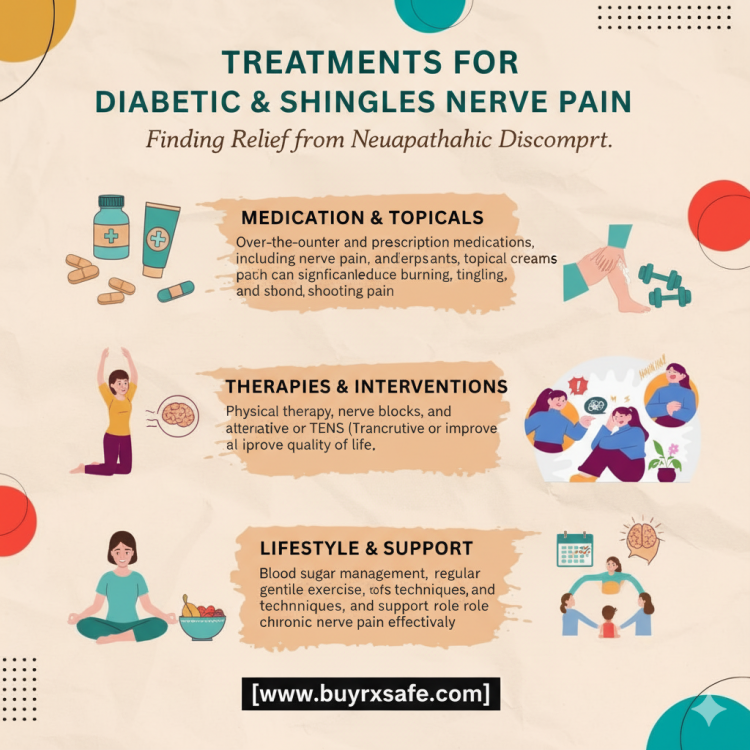
Diabetic neuropathy happens when high blood sugar levels damage nerves over time. It usually starts in the feet or hands, causing tingling, burning, numbness, or sharp pain. Managing blood sugar levels is vital to reduce further nerve damage.
Shingles pain, or post-herpetic neuralgia (PHN), develops after a shingles infection heals. The nerve fibers that were affected by the virus continue to send pain signals to the brain even after the rash disappears. The pain can last for months or even years if not properly treated.
Both types of nerve pain share one thing: damaged nerves misfire and send abnormal pain messages. The good news is that medicines like Pregabalin and Nervigesic 150 mg help calm these signals and bring lasting comfort.
Why Early and Correct Treatment Matters
Nerve pain should never be ignored. If left untreated, it can worsen over time and lead to serious complications.
-
For diabetic neuropathy, pain and numbness can cause balance issues and foot injuries that heal slowly.
-
For shingles, early treatment reduces the risk of chronic PHN pain.
-
Managing pain early also improves sleep, mood, and mobility.
In countries like Australia and Canada, doctors emphasize early detection and intervention for nerve pain. Quick action often leads to faster relief and prevents long-term nerve complications.

Main Treatment Options
Two medications play an important role in controlling neuropathic pain: Pregabalin and Maxgalin 150 mg.
Pregabalin
Pregabalin is one of the most trusted medicines for treating nerve pain. It is prescribed for conditions like diabetic neuropathy and shingles-related pain.
How it helps:
-
Reduces the abnormal nerve activity that causes burning and tingling.
-
Improves sleep and daily functioning by lowering pain intensity.
-
Provides long-term relief when taken consistently under medical supervision.
How it is used:
-
The dosage usually starts low and increases gradually.
-
It may take a few weeks for full pain relief to appear.
-
It is often taken twice daily with or without food.
Possible side effects:
Dizziness, drowsiness, and mild swelling in the hands or feet may occur. These usually lessen as the body adjusts. Always follow your doctor’s guidance and report any unusual symptoms.
Nervigesic 150 mg
Nervigesic 150 mg is another medication commonly used to manage nerve pain. It works by calming overactive nerve signals that cause discomfort.
Key benefits include:
-
Relief from chronic burning or shooting pain.
-
Improved sleep and reduced discomfort during daily activities.
-
Suitable for long-term nerve-pain management under medical advice.
How it fits in your treatment:
-
It may be used alone or combined with other medications like Pregabalin.
-
The dose is adjusted based on pain severity and medical history.
-
Always consult your healthcare provider before changing your dose or combining medicines.
Treating Diabetic Neuropathy Step by Step
-
Control blood sugar: Keeping glucose levels stable helps prevent new nerve damage.
-
Use nerve-pain medication: Drugs such as Pregabalin or Nervigesic 150 mg target nerve pain directly.
-
Maintain foot care: Check your feet daily for cuts, swelling, or infection.
-
Stay active: Gentle walking or swimming improves circulation and overall nerve health.
-
Healthy diet: Focus on balanced meals with low sugar and more fiber.
-
Avoid smoking and alcohol: Both can worsen nerve damage.
-
Track your symptoms: Note pain levels and side effects to share with your doctor.
-
Follow-up regularly: Regular visits help your doctor adjust medication as needed.
Managing Shingles and Post-Herpetic Neuralgia
-
Start early treatment: If you develop shingles, see a doctor quickly. Antiviral medicines can shorten the infection and lower nerve-pain risk.
-
Pain relief options:
-
Pregabalin or Nervigesic 150 mg to control nerve activity.
-
Topical creams like lidocaine or capsaicin for local pain.
-
Gentle painkillers when needed.
-
-
Comfort measures:
-
Wear loose clothing to avoid skin irritation.
-
Keep the affected skin clean and dry.
-
-
Prevent recurrence: The shingles vaccine can prevent future outbreaks, especially in older adults.
-
Long-term care: If pain lasts more than three months after the rash, talk to your doctor about ongoing nerve-pain treatment.
Lifestyle and Home Remedies
Medications work best when combined with simple daily habits. Here are some easy ways to support nerve healing and pain control:
-
Exercise regularly: Light aerobic activity boosts blood flow and nerve repair.
-
Eat healthy: Choose foods rich in vitamins B1, B6, and B12 for nerve strength.
-
Sleep well: Maintain a routine bedtime and avoid caffeine at night.
-
Protect your skin and feet: Use soft socks and comfortable shoes.
-
Practice stress control: Meditation, breathing exercises, or yoga can lower pain perception.
-
Avoid triggers: Keep your body warm and prevent exposure to cold drafts that may increase pain.
Side Effects and Safety Tips
Like any medication, Pregabalin and Nervigesic 150 mg can cause side effects in some people. These are usually mild but should be watched.
Common effects include:
-
Drowsiness or dizziness
-
Dry mouth
-
Mild swelling in legs or hands
-
Weight gain with long-term use
Safety checklist:
-
Do not drive or operate machinery if you feel dizzy.
-
Avoid alcohol, as it can increase drowsiness.
-
Do not stop the medicine suddenly without consulting your doctor.
-
Report any new or unusual symptoms, such as severe swelling or chest pain.
Your doctor may also review your heart and kidney health if you’re on long-term therapy, as nerve-pain medications sometimes affect fluid balance and circulation.
Why Awareness Matters in Canada, Australia, and France
Access to healthcare and proper pain management varies from country to country, but awareness is key everywhere.
-
In Canada, patients benefit from public health programs that support diabetes management and pain clinics for neuropathy.
-
In Australia, doctors encourage early screening for diabetic complications and promote medications like Pregabalin to improve quality of life.
-
In France, health professionals focus on long-term monitoring and lifestyle education for patients with nerve-related pain.
These countries show that combining early treatment, medication, and lifestyle care can greatly reduce nerve-pain complications.
When to See a Doctor
You should seek medical help if:
-
Pain or tingling persists despite over-the-counter medicine.
-
You notice wounds, blisters, or numbness in your feet or hands.
-
Pain worsens after a shingles infection.
-
You feel depressed or anxious due to constant pain.
Your healthcare provider can suggest personalized treatment, which may include Nervigesic 150 mg, Pregabalin, or other supportive medicines.
Long-Term Pain Management Goals
Treating nerve pain isn’t just about short-term relief. The main goals are:
-
Preventing new nerve damage
-
Reducing pain intensity
-
Restoring normal daily activities
-
Improving mood and sleep
-
Enhancing overall quality of life
When managed properly, many people experience significant pain reduction and regain mobility and confidence.
Conclusion
Nerve pain caused by diabetic neuropathy or shingles can be controlled with the right approach. Nervigesic 150 mg and Pregabalin are effective medications that calm overactive nerves and bring long-lasting relief. Combined with healthy habits—like exercise, good nutrition, and early medical attention—these treatments can help you live more comfortably.
If you are in Canada, Australia, or France, talk to your healthcare professional about the best treatment options available. Each country offers excellent resources for nerve-pain care, from prescription support to lifestyle guidance.
Remember: consistent care, early action, and regular follow-ups make all the difference. With the right treatment plan, you can manage nerve pain, improve your sleep, and return to a more active and fulfilling life.