

Corrugated packaging is widely used across industries for shipping, storage, and product presentation. Despite its popularity, several misconceptions about corrugated packaging still persist. These myths can mislead businesses into making poor packaging choices, affecting cost, efficiency, and sustainability. This article debunks common corrugated packaging myths and provides clarity for businesses looking to make informed decisions.
Myth 1: Corrugated Packaging Is Weak and Fragile
Many assume corrugated boxes are flimsy compared to plastic or wooden crates. In reality:
-
Corrugated cardboard is engineered with layers (fluting) that provide strength and durability.

-
Double-wall and triple-wall corrugated options support heavy loads and protect fragile items.
-
Properly sized boxes with appropriate cushioning ensure safe shipping over long distances.
Corrugated packaging is a reliable, cost-effective alternative to heavier materials without compromising protection.
Myth 2: All Corrugated Boxes Are the Same
Some businesses think any corrugated box will do. However:
-
Boxes come in different flute types, wall thicknesses, and strengths.
-
Customization allows precise fit and protection for products of varying shapes and sizes.
-
Specialty corrugated boxes can be designed for temperature-sensitive items, electronics, or perishable goods.
Choosing the right type of corrugated packaging is crucial to protecting products and optimizing shipping efficiency.
Myth 3: Corrugated Packaging Isn’t Eco-Friendly
While some believe corrugated packaging contributes to waste, it’s actually one of the most sustainable packaging solutions:
-
Made primarily from recyclable paper and often from post-consumer recycled content.
-
Biodegradable and easy to repurpose, reducing landfill waste.
-
Supports green initiatives without compromising durability or performance.
Using corrugated packaging aligns with sustainable business practices and eco-conscious branding.
Myth 4: Corrugated Packaging Is Expensive
Many companies assume corrugated packaging is costly compared to other materials, but in reality:
-
Lightweight design reduces shipping costs and handling fees.
-
Optimized sizing minimizes the need for filler materials, saving money on additional packaging.
-
Customizable options prevent product damage, reducing replacement and return costs.
Investing in the right corrugated packaging can be more cost-effective than cheaper, inadequate alternatives.
Myth 5: Corrugated Packaging Isn’t Good for Branding
Some businesses overlook corrugated packaging as a marketing tool. However:
-
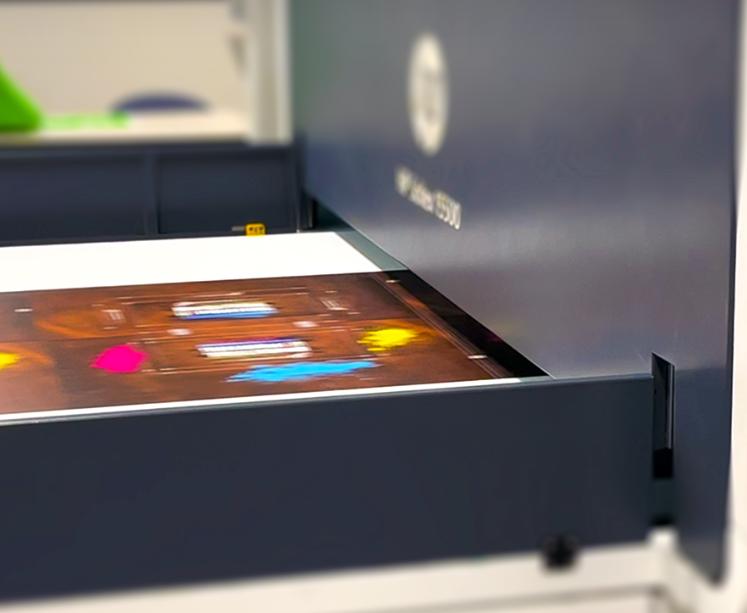
Corrugated boxes can be digitally printed or custom designed to reflect brand identity.
-
High-quality packaging enhances the unboxing experience and leaves a lasting impression.
-
Packaging can include logos, QR codes, and promotional messages, making it an extension of marketing strategy.
Corrugated packaging not only protects products but also communicates your brand’s values and professionalism.
Myth 6: Corrugated Packaging Can’t Handle Moisture
A common misconception is that cardboard cannot withstand moisture. While standard cardboard may be affected by water, modern corrugated packaging offers solutions:
-
Wax-coated or laminated corrugated boxes protect against humidity.
-
Specialty treatments make boxes resistant to spills, condensation, or outdoor exposure.
-
Proper design ensures that even moisture-sensitive products remain safe during transit.
With the right choice, corrugated packaging can handle various environmental conditions.
Conclusion
Corrugated packaging is a versatile, sustainable, and cost-effective solution that goes beyond common misconceptions. By debunking myths about durability, cost, sustainability, branding, and moisture resistance, businesses can make informed decisions that protect products, reduce expenses, and enhance brand appeal. Understanding the true capabilities of corrugated packaging allows companies to leverage it effectively in logistics, e-commerce, and retail.





