

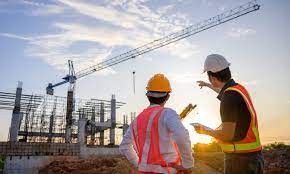
In the world of construction, even the best-laid plans can face unexpected challenges—budget overruns, schedule delays, safety incidents, or design errors. These risks can easily derail a project if not managed proactively. That’s why many developers, contractors, and investors rely on construction management services to keep their projects on track.
A professional construction management (CM) team serves as the backbone of any successful project, overseeing every stage—from initial planning and design to execution and delivery. By leveraging expertise, technology, and strategic planning, construction management services minimize risks while maximizing quality, efficiency, and profitability.
Let’s explore the top ways construction management services help reduce risks and ensure project success.
1. Strategic Project Planning and Feasibility Analysis
Every successful construction project begins with a well-thought-out plan. Construction management services focus on comprehensive project planning—analyzing feasibility, defining scope, setting timelines, and estimating costs accurately.
Experienced construction managers conduct detailed risk assessments early in the process, identifying potential challenges such as site constraints, supply chain issues, or regulatory hurdles. By developing mitigation strategies before the project starts, they help prevent costly surprises and ensure smoother execution.
Effective planning sets the tone for project success, aligning every stakeholder with realistic expectations and achievable goals.
2. Budget Control and Cost Management
Budget overruns are among the most common and damaging issues in construction. Construction management services utilize advanced cost estimation and monitoring tools to control expenses throughout the project lifecycle.
Managers regularly evaluate financial data, track spending, and adjust resource allocation as needed. They also help in negotiating vendor contracts and sourcing materials at competitive rates.

Through value engineering—optimizing materials, designs, and methods without compromising quality—construction managers ensure maximum return on investment. This proactive approach prevents financial inefficiencies and keeps the project within budget.
3. Schedule Management and Timely Execution
Time is money in construction. Delays can lead to lost revenue, additional costs, and dissatisfied clients. Construction management services use proven scheduling techniques, including critical path method (CPM) and Gantt charts, to monitor progress and anticipate bottlenecks.
Construction managers coordinate seamlessly between contractors, architects, and suppliers to maintain workflow continuity. They establish realistic deadlines, enforce accountability, and take corrective actions when timelines are at risk.
This structured approach ensures that every phase—from design approvals to final handover—happens efficiently and without unnecessary downtime.
4. Quality Assurance and Compliance Oversight
Maintaining quality standards is essential for both safety and long-term value. Construction management teams implement strict quality control (QC) and quality assurance (QA) protocols to ensure materials, workmanship, and construction processes meet or exceed specifications.
They also ensure compliance with building codes, environmental regulations, and safety standards. Regular inspections, documentation reviews, and testing minimize the chances of rework or regulatory violations.
By maintaining a focus on precision and accountability, construction management services enhance both the integrity and durability of the final structure.
5. Risk Identification and Mitigation Strategies
Construction projects inherently involve multiple risks—financial, operational, environmental, and safety-related. Professional construction managers specialize in identifying, evaluating, and mitigating these risks throughout the project lifecycle.
They create comprehensive risk management plans, outlining possible issues and establishing contingency measures. For example, alternative sourcing strategies can prevent material shortages, while clear safety protocols reduce accident risks.
By staying proactive rather than reactive, construction management services ensure stability and predictability, even in complex project environments.
6. Efficient Resource and Workforce Management
A construction project’s success depends heavily on how resources—both human and material—are utilized. Construction managers ensure that labor, materials, and equipment are used efficiently to avoid waste and delays.
They coordinate schedules, track productivity, and maintain communication between multiple teams. By optimizing workflow and preventing downtime, construction management services enhance overall efficiency and maintain project momentum.
This level of organization is especially crucial for large-scale or multi-site projects where coordination is key.
7. Enhanced Communication and Collaboration
Miscommunication is one of the leading causes of project delays and errors. Construction management services act as the central communication hub, connecting all stakeholders—owners, architects, engineers, contractors, and suppliers.
Using digital collaboration platforms and project management software, construction managers ensure that everyone stays informed and aligned. Transparent reporting, real-time updates, and progress meetings foster accountability and trust, reducing misunderstandings and conflicts.
Effective communication leads to better decision-making, smoother workflows, and faster problem resolution.
8. Safety Management and Regulatory Compliance
Construction sites are inherently hazardous, and safety is a top priority. Construction management services establish comprehensive health and safety programs that include training, risk assessments, and regular audits.
They ensure adherence to OSHA standards and local building codes, reducing the likelihood of accidents and liability issues. By prioritizing worker safety, construction managers not only protect lives but also improve productivity and project morale.
A safe job site is a successful job site—and professional management makes that possible.
9. Leveraging Technology for Risk Reduction
Modern construction management leverages technology to enhance precision and efficiency. Tools such as Building Information Modeling (BIM), drones, and AI-based analytics enable managers to visualize designs, detect conflicts, and optimize planning before construction begins.
Real-time monitoring systems track progress, detect potential issues, and provide actionable insights. This data-driven approach minimizes errors, improves decision-making, and ensures that the project stays aligned with goals.
Technology integration not only streamlines operations but also enhances accountability across all stakeholders.
10. Ensuring Smooth Handover and Post-Construction Support
A project doesn’t end when construction is complete. Construction management services also oversee the handover process, ensuring all documentation, warranties, and maintenance manuals are properly organized and transferred.
Post-construction evaluations and performance assessments help address any final issues and ensure operational readiness. This attention to detail ensures long-term satisfaction and a seamless transition to building occupancy or operations.
Conclusion
In today’s competitive construction landscape, effective management is the key to success. Professional construction management services not only minimize risks but also drive efficiency, quality, and cost savings. By focusing on strategic planning, communication, safety, and technology integration, these services help projects reach completion on time, within budget, and to the highest standards.
Whether it’s a small commercial build or a large-scale infrastructure project, partnering with a skilled construction management firm gives businesses the expertise and oversight needed to navigate challenges confidently.





