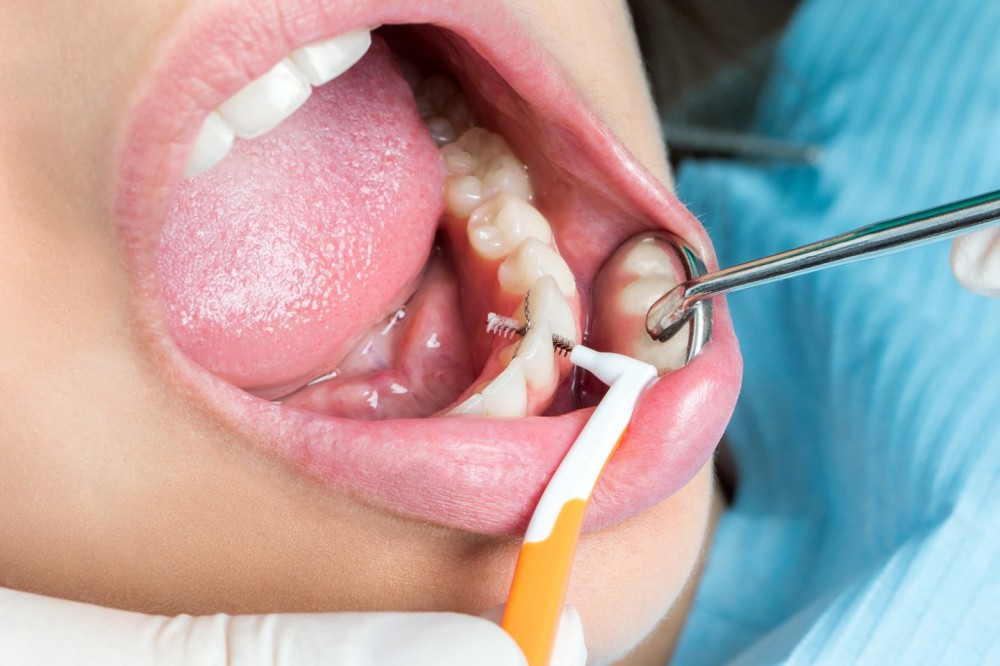
Dental health plays a crucial role in your overall well-being. Many individuals neglect the importance of regular dental check-ups and cleanings, assuming that brushing and flossing alone are enough. However, regular dental cleaning take is essential for maintaining optimal oral health. In this article, we will discuss how dental cleanings help prevent serious oral health problems, such as cavities, gum disease, and tooth loss. Additionally, we will explore the process of professional cleaning and why it should be an integral part of your oral care routine.
The Importance of Professional Dental Cleaning
While daily brushing and flossing remove surface plaque, they cannot reach all the areas where bacteria thrive. Professional dental cleanings performed by a licensed hygienist are designed to remove tartar, plaque, and bacteria from these hard-to-reach areas. This step helps prevent the build-up of harmful substances that can lead to serious oral health issues.
Plaque and tartar build-up on teeth can lead to gum irritation and bleeding, eventually developing into gum disease (gingivitis) and advanced stages like periodontitis if left untreated. Gum disease is a significant risk factor for tooth loss. Plaque, which is a sticky film of bacteria, can also cause tooth decay when it comes in contact with sugars from food and beverages. Over time, plaque hardens into tartar, making it much more difficult to remove and increasing the risk of cavities.

The Process of a Dental Cleaning
A dental cleaning typically involves several stages, each contributing to maintaining your oral health. Let’s break down what you can expect during a routine visit to your dentist or hygienist.
1. Examination of the Mouth
The first step in a dental cleaning is a thorough examination of the mouth. The dental hygienist will inspect your teeth and gums to identify any signs of decay, gum disease, or other issues. This examination may include X-rays if needed to check for hidden cavities or other concerns beneath the surface of your teeth.
2. Plaque and Tartar Removal
Using specialized tools, the hygienist will gently scrape away plaque and tartar that have built up on your teeth. This process is referred to as scaling. Tartar removal is especially important because once plaque hardens into tartar, it can no longer be removed by brushing and flossing alone. Scaling removes these hardened deposits, preventing further damage to your teeth and gums.
3. Polishing the Teeth
After scaling, your teeth will be polished using a gritty paste that helps smooth the surfaces of your teeth. This step removes any remaining plaque and gives your teeth a shiny, clean finish. The polishing process also helps prevent future plaque build-up, making it more difficult for bacteria to accumulate.
4. Fluoride Treatment
To finish the cleaning, your dentist may apply a fluoride treatment to help strengthen the enamel of your teeth. Fluoride is a natural mineral that helps protect teeth against cavities by making them more resistant to acid attacks from bacteria and food. The fluoride application is often followed by a recommendation to avoid eating or drinking for about 30 minutes to allow the treatment to fully absorb.

How Regular Cleanings Prevent Gum Disease
Gum disease is one of the leading causes of tooth loss in adults, and it often begins without obvious symptoms. Early signs like red, swollen gums, or bleeding while brushing may be overlooked. Regular dental cleanings help prevent gum disease by removing plaque and tartar that can irritate the gums and lead to infection.
By eliminating the bacteria that cause gum inflammation, regular cleanings allow your gums to heal and reduce the risk of developing more severe stages of gum disease. Left untreated, gum disease can cause the gums to pull away from the teeth, forming pockets that can become infected and lead to tooth loss. Therefore, routine dental cleanings are essential in stopping the progression of gum disease and preserving your teeth.
The Role of Dental Cleanings in Preventing Cavities
Cavities occur when the enamel of your teeth is weakened by acids produced by bacteria in plaque. If left untreated, cavities can lead to tooth decay, infections, and even the loss of teeth. Professional dental cleanings help prevent cavities by removing plaque and tartar before they can cause significant damage.
While brushing your teeth regularly is crucial for maintaining oral health, it’s not always enough to remove all plaque and tartar, especially in areas that are hard to reach, like the back molars. By scheduling regular dental cleanings, you are taking proactive steps to ensure that harmful bacteria are removed from these areas and that cavities don’t have the chance to develop.
Dental Advice Today: Why You Should Prioritize Cleanings
Dental advice today consistently stresses the importance of preventive care. By getting your teeth professionally cleaned every six months, you can avoid common dental problems like cavities, gum disease, and bad breath. In fact, many oral health issues are preventable with regular cleanings and proper at-home care.
Moreover, professional cleanings allow your dentist to catch problems early before they become more serious and costly to treat. For instance, small cavities can be filled with minimal discomfort, but if they are left untreated, they may require root canal therapy or even extraction. Early detection and preventive care can help you save money and preserve your natural teeth for longer.
The Connection Between Oral Health and Overall Health
Maintaining good oral health is not only crucial for your smile, but it also plays a significant role in your overall health. Poor oral hygiene has been linked to several systemic health conditions, including heart disease, diabetes, respiratory infections, and more. This is why dental cleanings are so important—not only do they prevent oral health problems, but they also contribute to your general well-being.
Studies have shown that gum disease can increase the risk of heart disease, stroke, and diabetes complications. By keeping your mouth healthy, you are reducing the risk of developing these serious health problems. Regular dental cleanings help reduce the amount of bacteria in your mouth, lowering the chances of these harmful bacteria spreading to other parts of your body.
How Often Should You Get a Dental Cleaning?
The American Dental Association (ADA) recommends that most people have their teeth professionally cleaned at least once every six months. However, depending on your oral health status, your dentist may recommend more frequent cleanings. If you have a history of gum disease or other oral health issues, you may need to visit the dentist more often for cleanings.
If you are unsure about how often you should have your teeth cleaned, it’s a good idea to consult your dentist. They can assess your oral health and provide personalized advice on the best schedule for cleanings based on your individual needs.
Conclusion
Routine dental cleaning take is an essential part of maintaining good oral health. Regular cleanings help remove plaque, tartar, and bacteria, which in turn prevent serious dental issues like cavities, gum disease, and tooth loss. By investing in preventive care and following dental advice today, you can avoid costly dental procedures and protect your overall health. Remember, the key to a healthy smile is not just brushing and flossing at home—it’s also about getting professional cleanings to ensure your mouth stays as healthy as possible.