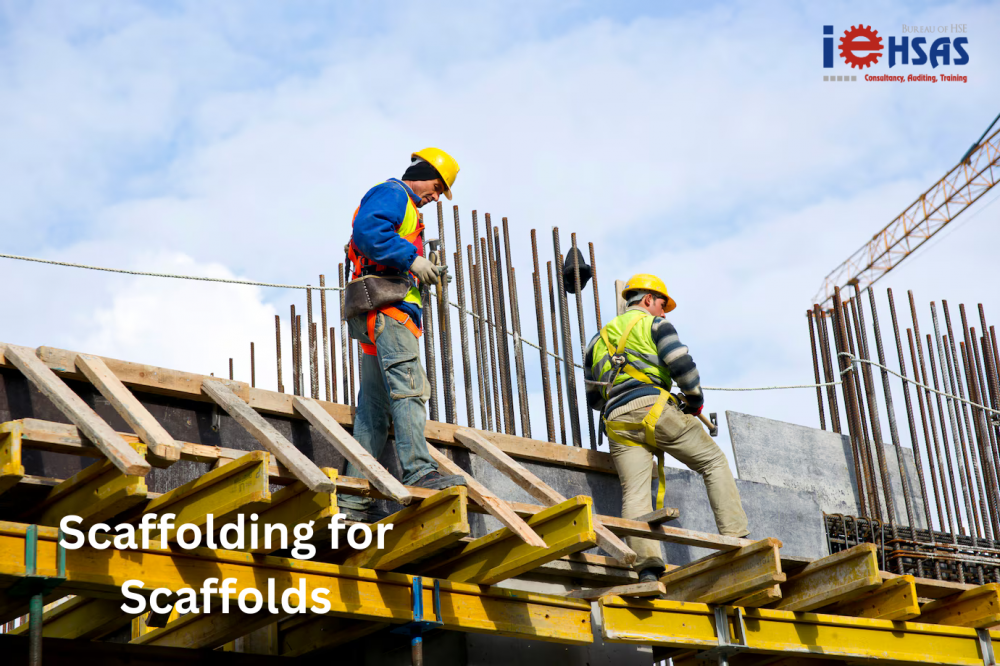
Training Requirements for Scaffolding – Complete Guide by iehsas
Scaffolding is a critical component of almost every construction and industrial project. It provides safe elevated access for workers and supports essential operations at height. Because of its importance and the high-risk nature of working on scaffolds, proper training is mandatory. Understanding the training requirements for scaffolding ensures that workers remain safe, competent, and compliant with industry standards.
In Pakistan, iehsas delivers professional scaffold training programs that meet international safety guidelines. Whether you are new to the field or aiming to advance your skills, a structured and certified Basic Scaffolding Training Course is essential.
This comprehensive guide explains mandatory training requirements, course details, skills gained, and why certified scaffolding programs are crucial for safety and career growth.

Why Scaffolding Training Is Essential
Scaffolding-related accidents usually occur due to improper setup, lack of inspections, and insufficient training. The right training helps workers:
- Identify hazards
- Follow safety procedures
- Use tools correctly
- Prevent falls and structural failures

- Comply with safety regulations
With professional training from iehsas, scaffolders gain both confidence and competence to work safely at heights.
Understanding Training Requirements for Scaffolding
Scaffolding is not just about assembling platforms; it requires technical knowledge, safety awareness, and practical experience. Below are the essential training requirements workers must fulfill to operate safely and legally.
1. Completion of Basic Scaffolding Training Course
The first requirement is completing a Basic Scaffolding Training Course, which introduces:
- Types of scaffolding
- Tools and equipment
- Safety rules
- Fall protection basics
- Load handling
- Scaffold inspection procedures
This course provides the foundation needed before advancing to intermediate or advanced certifications.
2. Understanding Scaffold Types and Materials
Workers must be trained to identify different scaffold structures such as:
- Tubular scaffolds
- Frame scaffolds
- Mobile scaffolds
- Suspended scaffolds
Training includes material handling, component recognition, and compatibility checks.
3. Ability to Read and Follow Scaffold Drawings
Scaffolders must understand technical drawings, load charts, and height measurements. Training teaches individuals how to interpret these to ensure accurate installation.
4. Safety Awareness and Risk Assessment
Safety is the core requirement in scaffolding. Training covers:
- Identifying hazards at work at height
- Evaluating ground conditions
- Inspecting scaffold platforms
- Recognizing unsafe practices
Workers learn to assess site conditions before starting a job.
5. Knowledge of Fall Protection Systems
Scaffolding workers must be fully trained in:
- Harness usage
- Lanyards and anchor points
- Guardrails
- Personal protective equipment
The training ensures that workers know how to prevent falls and minimize injury risks.
6. Hands-On Practical Training
Classroom knowledge alone is not enough; scaffolders must undergo practical sessions. At iehsas, trainees practice:
- Erecting scaffolds
- Dismantling safely
- Securing platforms
- Checking structural stability
This equips them with real-world experience.
7. Passing Theoretical and Practical Assessments
The final requirement is clearing assessments that test:
- Technical understanding
- Safety procedures
- Practical scaffold-building skills
After passing the test, trainees receive a recognized certification.
What You Learn in a Basic Scaffolding Training Course
The Basic Scaffolding Training Course offered by iehsas includes top-quality modules covering both essential knowledge and hands-on practice.
Basic Scaffold Components
The course explains components such as:
- Standards
- Ledgers
- Braces
- Platforms
- Base plates
- Toe boards
Workers learn correct usage and compatibility.
Scaffold Assembly Techniques
Training includes step-by-step assembly guidelines for different scaffold types.
Load Management and Stability
Trainees learn:
- How load affects platform strength
- Wind pressure impact
- Bracing importance
- Safe working load limits
Inspection and Maintenance
Scaffold inspections prevent collapse and injuries. Workers learn:
- When to inspect
- What to inspect
- How to document faults
- Corrective actions
Working at Heights Rules
Essential safety guidelines include:
- Ladder usage
- Safe climbing techniques
- Hazard zones
- Platform spacing requirements
Benefits of Meeting Scaffolding Training Requirements
Meeting the training requirements for scaffolding is not only mandatory but also beneficial for workers and employers.
For Workers
- Better job opportunities
- Higher salary potential
- Increased workplace confidence
- Safer working environment
For Employers
- Reduced accident rates
- Compliance with regulations
- Improved project productivity
Why Choose iehsas for Scaffolding Training?
iehsas has become one of Pakistan’s most trusted training providers for scaffolding courses due to:
Certified and Experienced Instructors
All trainers are certified professionals with years of on-site expertise.
Comprehensive Course Structure
The curriculum meets international standards and includes both theory and practical sessions.
Affordable Fees
iehsas provides quality training at competitive prices.
Recognized Certification
Certificates are accepted in construction, oil and gas, and industrial sectors across Pakistan and abroad.
Modern Training Facilities
Trainees work with real scaffold components and practice in controlled environments.
Career Opportunities After Completing Scaffolding Training
With proper training and certification, individuals can pursue roles such as:
- Scaffolder Helper
- Scaffolder Level 1
- Scaffold Erector
- Scaffolding Inspector (with advanced training)
- Industrial Construction Worker
- Maintenance Scaffold Technician
Work is available across construction firms, power plants, offshore projects, and oil & gas companies.
Conclusion
Understanding and fulfilling the training requirements for scaffolding is essential for creating safe and productive work environments. With the increase in construction and industrial projects in Pakistan, the demand for certified scaffolders continues to grow.
By completing a structured Basic Scaffolding Training Course, workers gain the skills and safety knowledge needed for professional scaffold assembly, inspection, and maintenance. Training from iehsas ensures that trainees receive industry-recognized certification, hands-on practice, and the competence required to excel in this field. Whether you are starting a new career or upgrading your qualifications, scaffolding training is a valuable and necessary step.
Frequently Asked Questions (FAQ)
1. What are the main training requirements for scaffolding?
They include completion of a basic scaffolding course, safety knowledge, practical skills, and equipment understanding.
2. Who should take scaffolding training?
Anyone working at heights, construction helpers, scaffold erectors, or individuals entering industrial projects.
3. How long is the Basic Scaffolding Training Course?
The course typically runs for 3 to 5 days depending on the training provider.
4. Does iehsas offer certification?
Yes, iehsas provides recognized scaffolding training certificates.
5. Is scaffolding training necessary for construction jobs?
Yes, proper training is mandatory for safety compliance and job eligibility.
6. Can I work internationally after completing the course?
Yes, certified scaffolders are in demand in Gulf countries, Europe, and major industrial sectors.