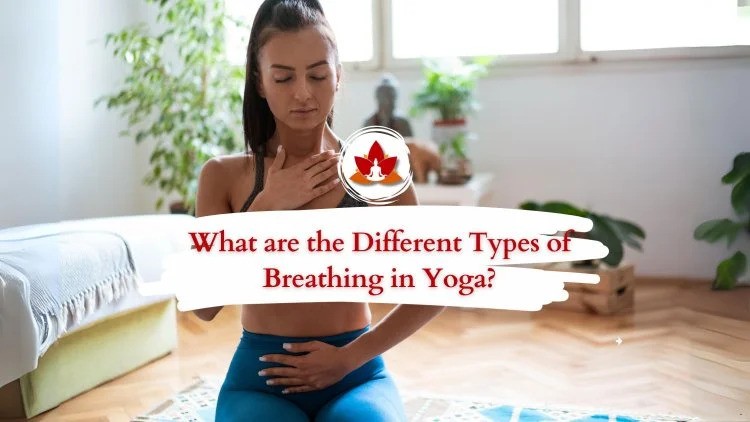
Breath is the essence of life, and in yoga, it becomes much more than a biological function. It transforms into a powerful tool for directing energy, calming the mind, and balancing the body. The types of yoga breathing, also known collectively as pranayama, play a central role in physical practice, meditation, and spiritual growth. Each breathing technique offers unique benefits, influences the nervous system differently, and helps practitioners cultivate awareness, clarity, and vitality. By exploring these breathing techniques in depth, one can unlock the full potential of yoga as a holistic discipline.
Yoga teaches that the quality of our breath directly affects the quality of our thoughts, emotions, and actions. When the breath is slow and steady, the mind becomes calm. When the breath is fast or shallow, the nervous system enters a state of stress. For this reason, learning the types of yoga breathing is essential for anyone seeking balance in day-to-day life. Through regular practice, these techniques help harmonize the body’s energy, cleanse internal pathways, and enhance concentration.
Below is a detailed guide to the most significant types of yoga breathing and their role in building a strong pranayama foundation.

1. Abdominal (Diaphragmatic) Breathing
Among all the types of yoga breathing, abdominal breathing is the most fundamental. It engages the diaphragm fully, causing the belly to rise on inhalation and fall on exhalation. This pattern increases oxygen intake, reduces tension, and activates the parasympathetic nervous system, which promotes relaxation.
Abdominal breathing encourages deeper, slower breaths that help release emotional stress stored around the chest and abdomen. It also promotes better digestion and supports the lower back through natural expansion of the diaphragm. Beginners often start with this technique to develop awareness, correct shallow breathing habits, and build a strong foundation for advanced pranayama practices.
2. Thoracic Breathing (Rib Cage Breathing)
Thoracic breathing involves expanding the rib cage outward and upward. It utilizes the intercostal muscles and the mid-section of the lungs. This technique is commonly used during physical activity because it allows the body to take in more air quickly.
Within the types of yoga breathing, thoracic breathing is essential for understanding full-lung expansion and developing strength in the rib cage. It enhances respiratory capacity, improves posture, and supports the spine by encouraging openness in the chest. It is often practiced before moving into deeper pranayama techniques such as Ujjayi or Bhastrika.
3. Clavicular Breathing
Clavicular breathing is the uppermost and most subtle part of the breathing process. It involves lifting the collarbones to draw air into the top portion of the lungs. Although it offers the least amount of oxygen intake, it completes the three-part yogic breath.
Among the types of yoga breathing, clavicular breathing plays a vital role in expanding awareness and accessing the full lung capacity. Practicing this technique mindfully can relieve tension in the upper chest and shoulders, especially for individuals who experience emotional stress. In yoga, it is often used in combination with abdominal and thoracic breathing to create a full yogic breath known as Dirgha Pranayama.
4. Ujjayi Breathing (Victorious Breath)
Ujjayi breath is one of the most popular types of yoga breathing in modern yoga classes, especially in Vinyasa and Ashtanga practices. It involves a gentle constriction at the back of the throat, producing a soft ocean-like sound as air flows in and out.
This breath builds heat, increases concentration, and regulates energy during physical movement. Ujjayi breathing helps coordinate breath with posture, promoting a deeper connection between body and mind. It is also calming, grounding, and effective for reducing mental chatter.
5. Nadi Shodhana (Alternate Nostril Breathing)
Nadi Shodhana is a cleansing and balancing technique that involves inhaling through one nostril and exhaling through the other in a rhythmic cycle. It is considered one of the most important types of yoga breathing for harmonizing the body’s energy channels (nadis).
This technique:
- Balances left and right brain hemispheres
- Reduces stress and anxiety
- Enhances mental clarity and focus
- Promotes emotional balance
Nadi Shodhana is often practiced before meditation to create a stable and peaceful state of mind.
6. Kapalbhati (Skull-Shining Breath)
Kapalbhati is a dynamic breathing technique where exhalations are forceful and active, while inhalations are passive. It is known for its cleansing effect on the respiratory passages and abdominal organs.
Among the types of yoga breathing, Kapalbhati is unique because it acts as both a breathing practice and a purification technique.
Benefits include:
- Improved digestion
- Enhanced lung strength
- Increased mental clarity
- Detoxification of the body
It generates heat and energizes the system, making it ideal for morning practice.
7. Bhastrika (Bellows Breath)
Bhastrika breath involves forceful inhalations and exhalations powered by the diaphragm. It is more vigorous than Kapalbhati because both the inhale and exhale are active.
This technique increases pranic energy rapidly and promotes alertness, making it one of the most powerful types of yoga breathing for boosting vitality. It is often used to awaken the nervous system, increase oxygen supply, and stimulate circulation.
However, it should be practiced under proper guidance, especially for individuals with hypertension or heart conditions.
8. Sheetali and Sheetkari (Cooling Breaths)
These pranayama techniques cool the body, calm the mind, and soothe the nervous system. Sheetali involves inhaling through a rolled tongue, while Sheetkari involves inhaling through the teeth.
Among the types of yoga breathing, these cooling breaths are excellent for balancing heat, reducing irritability, and relaxing the body. They are especially beneficial during summer or after intense yoga sessions.
9. Bhramari (Bee Breath)
Bhramari breathing involves creating a humming sound on exhalation, similar to the gentle buzz of a bee. This vibration calms the mind, releases stress, and improves emotional stability.
It is highly recommended for individuals dealing with anxiety, restlessness, or insomnia. In the wider category of types of yoga breathing, Bhramari stands out for its soothing effect on the nervous system and its ability to quiet mental disturbances naturally.
10. Dirgha Pranayama (Three-Part Breath)
Dirgha Pranayama combines abdominal, thoracic, and clavicular breathing into one full, deep breath. It is considered the foundation of all pranayama practices.
Among all the types of yoga breathing, this technique is the most complete and balanced. It teaches practitioners to use the entire lung capacity, regulate the breath, and unify body awareness with mental focus. It is deeply calming, grounding, and suitable for meditation.
Why These Types of Yoga Breathing Matter
Understanding the various types of yoga breathing offers numerous benefits:
- Improved respiratory function
- Enhanced mental clarity
- Reduced stress and anxiety
- Balanced energy levels
- Better emotional regulation
- Improved posture and lung expansion
- Deeper meditation and concentration
Breath serves as a bridge between the physical and mental realms. When we consciously choose how to breathe, we also influence how we think, feel, and respond to life.
Conclusion
The types of yoga breathing are much more than techniques—they are tools for transformation. From simple abdominal breathing to advanced forms like Bhastrika and Nadi Shodhana, each method offers unique benefits that support physical vitality, mental calmness, and emotional balance. Incorporating these techniques into daily life can significantly improve well-being, deepen meditation, and enhance one’s yoga practice. By understanding and practicing these powerful breathing patterns regularly, we learn to harness the true potential of the breath—the essence of prana, the life force within us.