
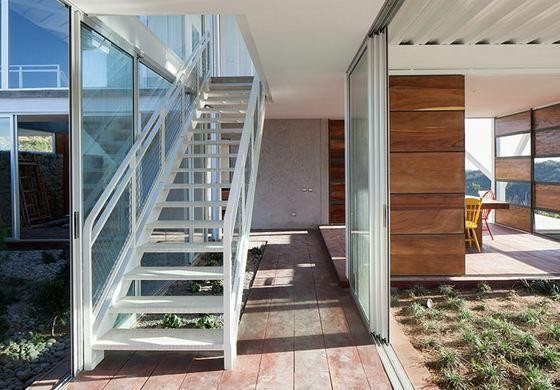
Have you ever stood in a room and thought, “This space could work so much better if I could just tweak the layout a little?” It’s a pretty common feeling, especially when you’re trying to maximize a home or office without diving into a major renovation. And that’s usually when people start comparing a Glass Folding Door to traditional partition walls. Both options promise flexibility, better space management, and a cleaner layout—but which one saves you more money in the long run?
Let’s break it all down in a simple, friendly way so you can make the smartest choice for your space—and your budget.
Understanding Your Real Goal: Space That Works Harder
Before choosing between the two, ask yourself what you really want.

Is it:
-
More natural light?
-
Privacy without feeling boxed in?
-
A way to open or close off spaces whenever you want?
-
Something that looks modern and improves the overall vibe?

Or maybe it’s a mix of all those things. Either way, how you want your space to feel matters just as much as the price tag. Believe it or not, this emotional piece plays a big role in the cost-effectiveness of any upgrade.
Initial Costs: What You Pay Upfront
Partition Walls: Usually the Cheaper Start
Traditional partitions are often more affordable at the beginning. Drywall or wooden partitions don’t require heavy hardware or specialized installation. The structure is simple, materials are inexpensive, and the process is pretty quick.
However, the savings here are mostly upfront. Once you peel back the layers—literally—things start to shift.
Glass Folding Doors: Higher First Cost, But More Features
A folding glass system usually costs more to purchase and install because it involves high-quality glass panels, tracks, and professional fitting. However, you’re paying for flexibility, improved lighting, and aesthetics right from day one.
Think of it like buying a good appliance—it costs more now, but you’ll reap benefits every single day.

Long-Term Value: This Is Where the Surprise Happens
Energy Efficiency & Natural Light
Partition walls do their job: they divide a space. But they also block light, airflow, and sometimes sound in ways that cost you money later.
A Glass Folding Door lets natural light pass through, so you rely less on artificial lighting. That may not feel dramatic at first glance, but the savings stack up. And bonus—you get to enjoy a brighter, more open-feeling space.
Flexibility = Savings
This is where folding doors absolutely shine. You can:
-
Open them fully
-
Keep them partially folded
-
Use them to create temporary rooms
Partition walls? Once they’re up, they “live there forever.” If you ever need the space to function differently, you pay again—dust, paint, reconstruction, the whole thing.
Aesthetic Value and Property Appeal
Upgrading with glass makes any room look bigger, sleeker, and more modern. If you ever rent or sell your space, that upgrade holds real monetary value. Buyers often pay more for areas that feel updated and flexible.
Partition walls can make a space feel smaller or outdated if not done beautifully.
Maintenance Costs: The Quiet Part of the Budget
Partition Walls
They may need repainting, repair cracks, or fix dents over time. Moisture or humidity can also affect them depending on the materials used.
Glass Folding Doors
Glass requires cleaning, sure, but it doesn’t dent or crack easily if it’s tempered. The hardware may need occasional lubrication or adjustment, but overall maintenance stays pretty simple.
So while walls seem low-maintenance, glass often wins for long-term ease.
Which Is More Cost-Effective in the End?
If we’re talking just upfront price, partition walls win.
But if we look at:
-
Long-term flexibility
-
Lighting benefits
-
Better aesthetics
-
Overall property value
-
Reduced renovation needs
The Glass Folding Door becomes the clear winner in many situations.
You’re essentially buying one solution that adapts to your life instead of a stationary fixture that locks your layout in place.
Also Read this: Could Folding Doors in UAE Be the Missing Piece in Your Renovation?
Where Glass Folding Doors Make More Sense
Here are some situations where glass will almost always give you more value:
-
Home offices where privacy changes throughout the day
-
Living rooms that double as entertainment areas
-
Small apartments needing “flex rooms”
-
Commercial spaces with shifting team sizes
-
Cafés or shops where open vs. closed layouts matter
-
Meeting rooms that need sound separation without losing visibility
-
Homes craving more natural sunlight
If any of these scenarios sound familiar, you’re in the ideal zone for folding glass.
FAQs
1. Are glass folding doors durable enough for daily use?
Yes, modern systems use tempered or laminated glass, designed to withstand frequent opening and closing without wear.
2. Do glass folding doors provide enough privacy?
You can choose frosted, tinted, or patterned glass to get the exact level of privacy you’re comfortable with.
3. What about soundproofing?
Good folding systems offer impressive sound control. It won’t be as sealed as a solid wall, but it’s often better than expected.
4. Are they safe in homes with kids?
Tempered glass is incredibly strong. It’s designed to break safely in rare situations, so it’s much safer than traditional glass.
5. Can I install one in a small room?
Absolutely. Folding doors actually maximize small spaces instead of shrinking them.
Conclusion
At first glance, partition walls look like the affordable choice—but once you consider long-term benefits, flexibility, and the day-to-day comfort of a brighter, more dynamic space, the Glass Folding Door often becomes the more cost-effective investment. It’s a solution that adapts to your lifestyle instead of locking you into a fixed layout.
If you’re ready to explore options or simply want expert guidance, the team at BMTS Folding And Automatic Doors LLC UAE is a great place to start. They specialize in systems that blend function, beauty, and durability—helping you build a space that truly works for you.





