

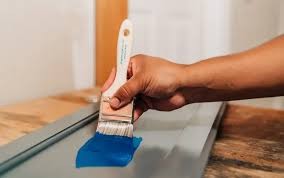
Many DIYers want to know if they can skip steps to save time, which leads to one of the most common questions: Can you paint over polyurethane without primer? The short answer is that it’s possible, but it’s rarely recommended. Polyurethane creates a slick, glossy surface that paint cannot grip, and skipping primer almost always leads to peeling, chipping, or uneven results. Still, some people attempt it, so it’s important to understand what you gain and what you risk.
Below is a clear, simple guide to help you decide whether skipping primer is worth it and how to get the best results if you choose to try it.
Why Primer Matters on Polyurethane
Polyurethane acts as a protective sealant. It blocks moisture and gives wood a smooth finish. This is great for protection, but difficult for paint adhesion. That’s why many homeowners ask, Can you paint over polyurethane successfully? Yes, but primer is usually the key to making it last.

Primer does two essential things:
- Helps paint stick to slick surfaces
- Prevents peeling and flaking
When you skip primer, you rely entirely on the paint’s ability to bond to a sealed surface, which creates long-term durability issues.
What Happens If You Paint Without Primer
If you decide to try painting over polyurethane without primer, expect a few challenges. Paint may not bond well, even if you sand the surface first. You might notice:

- Uneven coverage
- Streaks or patchy areas
- Paint chipping within months
- A finish that easily scratches
This is especially true in high-touch or high-traffic areas like cabinets, doors, stairs, and furniture.
How to Maximize Success If You Skip Primer
Even though painting over polyurethane without primer is not the ideal method, you can improve your results with careful preparation.
- Clean Thoroughly
Grease, dust, and residue will prevent adhesion. Clean with warm soapy water or a degreaser, then rinse well. - Sand the Surface Aggressively
Without primer, sanding becomes even more important. Use 120- to 150-grit sandpaper to remove as much gloss as possible. The more you dull the polyurethane, the better the paint will stick. - Use a High-Adhesion Paint
If you skip primer, you must use a paint designed for glossy or sealed surfaces. Acrylic enamel or urethane-fortified paints are your best options. These paints bond better than basic latex. - Apply Thin Coats
Thin layers will hold better than thick ones. Allow each coat to dry fully before adding another. - Seal With a Clear Topcoat
Because there is no primer layer to support longevity, applying a clear sealer helps protect your final finish from scratches and wear.
When You Should Never Skip Primer
Some surfaces absolutely require primer if you want the paint to last. Avoid skipping primer when painting:
- Kitchen or bathroom cabinets
- Wood trim and molding
- Furniture with heavy use
- Stairs and railings
- Outdoor polyurethane surfaces
These areas face moisture, oils, and friction daily, making adhesion even more important.
Pros and Cons of Painting Without Primer
Pros:
- Saves time
- Reduces the number of products needed
- Works in rare cases when the surface is lightly used
Cons:
- Paint may peel quickly
- Finish won’t be as smooth
- Coverage may look uneven
- Durability is significantly reduced
- Extra sanding is required
In most cases, the cons outweigh the pros. Primer creates a long-lasting bond and helps your paint stay beautiful for years.
Final Thoughts
So, can you paint over polyurethane without a primer? Yes, but the results won’t be as durable or professional. Skipping primer is a risk, especially on anything that gets touched or used daily. If you want a reliable and long-lasting finish, using a bonding primer is always the smarter choice.
If you want a flawless result without worrying about sanding, adhesion issues, or premature peeling, San Diego Custom Painting can help. Our professionals handle everything from prep to finishing, giving you a result that lasts. For expert help from a trusted San Diego painter, reach out anytime.





