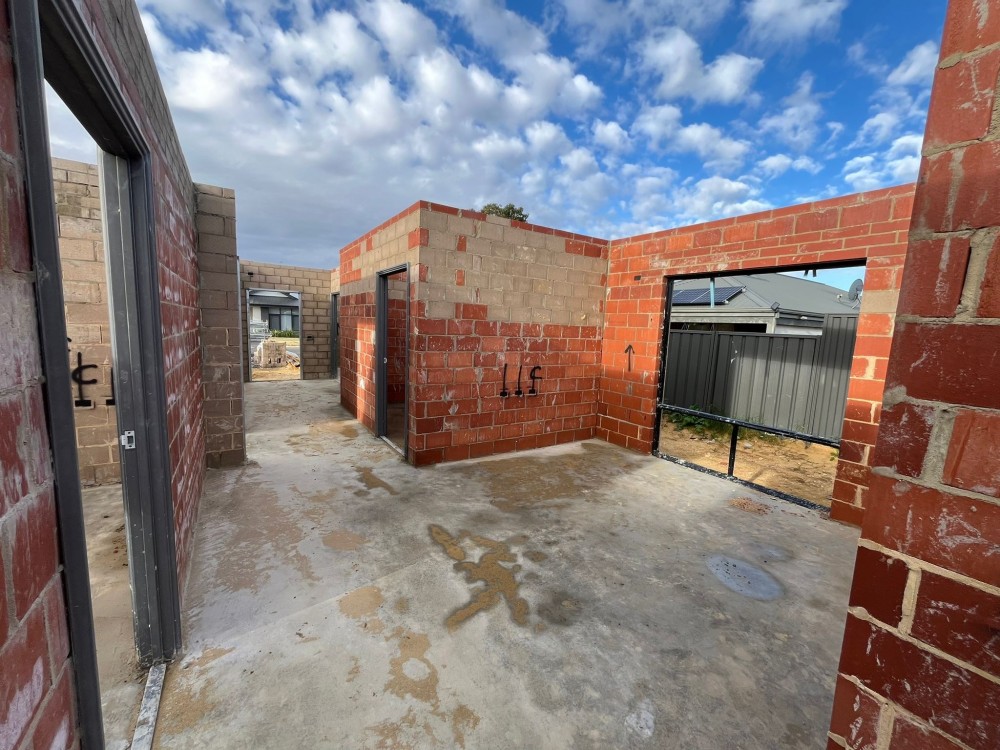
Sustainability is no longer just a trend in Western Australia’s construction industry — it has become a necessity. With Perth’s growing demand for eco-friendly homes and commercial buildings, builders and homeowners are actively seeking greener alternatives in traditional construction methods. One area that has seen significant innovation is bricklaying, where sustainable building materials and environmentally responsible techniques are reshaping how structures are designed and built.
In this blog, we explore the latest green building materials for bricklaying and sustainable trends that are transforming WA’s construction landscape.
Why Sustainable Bricklaying Is Gaining Popularity in WA
Western Australia has a strong focus on reducing carbon footprints, improving energy efficiency, and promoting environmentally conscious construction practices. Sustainable bricklaying supports these goals by:

-
Reducing raw material consumption
-
Lowering embodied carbon in buildings
-
Minimising construction waste
-
Enhancing long-term durability and energy efficiency
Modern bricklaying Perth projects are now moving beyond traditional methods and embracing greener alternatives that align with national sustainability standards.

Eco-Friendly Bricks: The Future of Sustainable Construction
Traditional fired clay bricks require high energy consumption during manufacturing. To reduce environmental impact, WA builders are now using greener brick options.
1. Recycled Brick Materials
Recycled bricks are made from demolition waste and old masonry materials. These bricks:
-
Reduce landfill waste
-
Lower manufacturing emissions
-
Offer a rustic and natural aesthetic
They are especially popular in renovations and heritage-inspired builds.
2. Fly Ash Bricks
Fly ash bricks are made using coal combustion by-products instead of clay. Benefits include:
-
Lower carbon emissions
-
High strength and durability
-
Better resistance to moisture
These bricks are becoming a smart alternative for environmentally responsible construction projects in WA.
3. Compressed Earth Bricks (CEBs)
CEBs are manufactured using natural soil, small amounts of cement, and high compression — without firing in kilns. They are one of the most sustainable options for modern brick structures.
Sustainable Mortar and Bonding Materials
It’s not just bricks that matter — the materials used to bind them also play a key role in sustainability.
Lime-Based Mortars
Lime mortar is a greener alternative to cement mortar because it:
-
Absorbs carbon dioxide over time
-
Is breathable, reducing moisture damage
-
Extends the lifespan of brick structures
This material is often used today in eco-conscious brick restoration Perth projects to repair and preserve older buildings responsibly.
Low-Carbon Cement Alternatives
Geopolymer and blended cements significantly reduce CO₂ emissions and are increasingly used in modern sustainable builds across WA.
Sustainable Trends Transforming WA Bricklaying Projects
Several emerging trends are shaping how bricklaying is carried out in Western Australia.
1. Passive Solar Design Integration
Brick walls are being designed to improve thermal performance by:
-
Storing heat during the day
-
Releasing warmth during cooler nights
-
Reducing reliance on heating and cooling systems
This improves energy efficiency and lowers household utility costs.
2. Locally Sourced Materials
Using locally manufactured bricks reduces transport emissions and supports local businesses. WA-based materials are now preferred in both residential and commercial projects.
3. Permeable Brick Systems
Permeable brickwork helps manage stormwater naturally. These systems allow water to pass through surfaces, reducing runoff and supporting groundwater recharge.
How Sustainable Bricklaying Supports Long-Term Cost Savings
Green building materials may have a slightly higher upfront cost, but they offer long-term financial advantages, including:
-
Lower energy bills through improved insulation
-
Reduced maintenance costs
-
Greater durability and weather resistance
-
Higher property resale value
When combined with smart planning and general construction best practices, sustainable bricklaying becomes both an environmentally and financially sound choice.
Challenges in Adopting Green Bricklaying Materials
Despite the benefits, shifting to sustainable materials does come with challenges:
-
Limited availability of certain eco materials in remote WA regions
-
Higher initial material costs
-
Need for skilled tradespeople familiar with green building techniques
However, as demand increases, these barriers are gradually reducing, making sustainable options more accessible.
Government Regulations and Incentives in WA
Western Australia is actively promoting sustainable construction through:
-
Energy efficiency building codes
-
Sustainability grants and rebates
-
Green building certification programs
Builders who adopt eco-friendly materials and methods are more likely to meet compliance standards and attract environmentally conscious clients.
The Future of Sustainable Bricklaying in Western Australia
The future of bricklaying in WA is moving towards:
-
Carbon-neutral construction methods
-
Smarter material sourcing
-
Innovative brick designs
-
Increased recycling and waste reduction
As climate awareness grows, sustainable bricklaying will soon become the standard rather than the exception in Perth and surrounding regions.
Conclusion
Green building materials are redefining how brick structures are built in Western Australia. From recycled bricks to lime-based mortars and passive design techniques, the construction industry is making meaningful progress toward environmental responsibility.
For homeowners, builders, and developers in WA, choosing sustainable bricklaying is not just a smart environmental decision — it’s a long-term investment in stronger, more efficient, and future-ready buildings.