

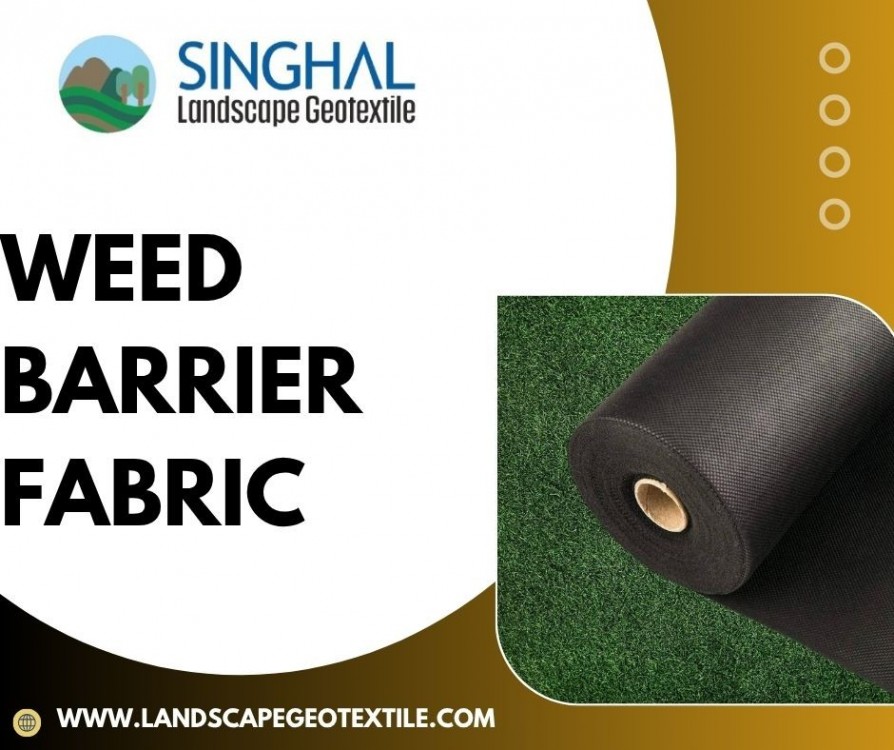
The journey to a beautiful, well-defined garden frequently takes the DIY landscaper through an exasperating path of the tedious and never-ending activity of weeding. If there is one thing that can most certainly discourage the upkeep of a terrific-looking outdoor space, it would be this. Nevertheless, the weekend warrior is now equipped with what can only be described as a simple yet powerful tool because of the availability of materials such as a quality garden fabric weed barrier which can be found at major retailers like Home Depot. This durable, breathable textile serves as the base of a low-maintenance landscape, thus, turning the dreams boasting of gravel walkways, immaculate flower beds, and retained soil walls into feasible, long-term results. Knowing exactly how to use it is what will allow you to have more hours in your garden and fewer disputes with the weeds

Planning and Preparation: The Foundation of Success
Before you go ahead and unwrap your Fabric weed barrier Home Depot buying, the triumph of your DIY venture completely depends on your thoroughness in getting everything ready. Precisely measure the area that you want to cover and figure out the necessary overlaps (generally six to twelve inches) so that you can purchase the right amount of material and landscape staples. After that, the area should be cleared in the most thorough manner. No weed, root, or grass that is visible should be left there. This is the absolutely most important point; any plant life left under the soil will live and find a way through the seams or holes. Having done that, the earth must be raked so that it is even and free of any sharp stones or bits of wood that could damage the fabric. The right surface preparation will determine how long and how effectively the barrier will work
Choosing the Right Fabric for the Job
The first thing to know is that there are different kinds of fabric for weed control, and not all are good. That knowledge is vital though because it leads to a successful DIY job in the end. For perennial garden beds, where looks and the ability for water to pass through are the main factors, you can choose to use a lightweight, non-woven Garden fabric weed barrier that is made to allow for excellent water flow. On the other hand, for areas that will be subjected to a lot of heavywear like the surface under paths, driveways or rock gardens you should go for a fabric which is a woven polypropylene geotextile and is a bit stronger. When buying your product at a major outlet, make sure that the fabric weed barrier that you get from Home Depot is the one that mentions that it is strong, resistant to high tensile strength, and UV-resistant. The first thing you will want to do if you are considering long-term soil stabilization and weed control is to think about industrial-grade projects and the Singhal Landscape Geotextile and other such products. These geotextiles come with built-in features such as being strong, able to separate, and provide long-term performance even under heavy loads, thus, ensuring the stability of your hardscape for years to come.
Step-by-Step Installation for Lasting Results
The fabric of an outdoor space is a simple job but it must be done with precision. Take the fabric and lay it over the surface that you have already prepared, it should be lying flat and tight. A number of fabric pieces may be needed, in such a case, be certain to fold one edge over the other by at least six inches in order to make a continuous fabric and thus, prevent weeds from taking advantage of the seam. Secure the borders of the fabric or the overlap with landscaping pins that are driven deeply into the soil at intervals of between 8 and 12 inches. In situations where there are already plants, cut a small, neat 'X' in the fabric, just big enough to fit the plant's base, and wrap the flaps tightly around the stem so as to remove any soil exposure. Should you desire to plant new shrubs or flowers, carve the 'X', dig the planting hole, put the plant in, refill the hole with the dug soil then fix the flaps around the base of the plant before stapling. After fastening the fabric, spread over it a layer of decorative mulch, gravel, or stone. This upper layer is a must as it protects the fabric from sun rays (UV) that greatly extend its life, and also holds it even more firmly in
place.
Applications Beyond the Flower Bed
The utility of a good Home depot weed barrier fabric extends beyond the realm of ordinary flower beds. As a part of pathway construction, it is a double-edged weapon: weed control and material separation. After putting it under the base aggregate layer and the final decorative gravel, it stops the materials from going deep into the soft soil, thus, preserving the thickness and the level surface of the pathway. This separation role is very important if you are doing a DIY project with stones or pavers for your patio as it guarantees a stable base that is not going to shift or settle with time. Besides that, on the inclined areas, a good quality fabric works perfectly as an erosion control agent, thus, soil gets stabilized until groundcover plants grow. The fabric's many uses make it a money-saving and time-saving measure that is applicable in almost all the outdoor home improvement projects.
Conclusion: Empowering the DIY Landscaper
Weed barrier fabric is the most significant landscaping tool that a DIY landscaper can possess. No matter if it is taken as a fabric weed barrier Home Depot roll or as a specialized product such as Singhal Landscape Geotextile, it is an accessible commodity that brings professional-grade outcomes in weed control, soil management, and structural stability. By mastering the basic concepts of preparation, selection, and accurate installation skills, any person can turn a very difficult, weed-infested area into a clean, well-organized, and thriving landscape. This modest fabric allows you to take back your weekends which, instead of spending them on weeding, you can now enjoy the satisfaction of a perfectly groomed, lasting, and attractive garden.
Frequently Asked Questions (FAQ)
Q: Do I need to cover the weed barrier fabric with mulch or stone?
A: Yes, it is very necessary to cover the fabric with at least 2-3 inches of mulch, gravel, or stone. By doing this, the fabric is not only protected from UV rays, which cause it to degrade, but its lifetime is also prolonged considerably.
Q: What is the ideal type of fabric weed barrier home depot carries for a vegetable garden?
A: For a vegetable garden, a non-woven fabric is usually the best choice as it provides the highest water and air permeability. Some, however, prefer a simple woven one so that it is easier to clean and remove at the end of the season.
Q: Can weeds grow through the material I buy, such as a garden fabric weed barrier?
A: High-quality fabrics are almost impenetrable to weeds. Nevertheless, weeds can easily sprout on top of the fabric if soil, dust, or decomposed mulch is left on the surface.
Q: Should I use woven or non-woven fabric for a gravel walkway?
A: A woven fabric would be the right choice when working on a gravel walkway because it provides the highest strength and is resistant to puncture, which is necessary to both stabilize and separate the gravel base from the subsoil.
Q: How long will a quality home depot weed barrier fabric last?
A: The lifespan of a good landscape fabric can be anywhere from 5 to 10 years or even more, depending on the thickness, the material (assuming it is covered), and also the longevity of commercial-grade products.
Q: Will the fabric prevent nutrients from reaching my plant roots?
A: Good quality fabric that is permeable is meant to be water and liquid nutrient (like fertilizer) friendly, thus allowing them to pass through to the soil and roots. Nevertheless, it may slow down the natural process of integration of surface-applied organic matter over time.
Q: What are landscape staples, and how important are they?
A: Landscape staples (or pins) are metal pins in the shape of the letter "U" which serve to attach fabric to the ground, especially the edges and overlaps. Without them, the fabric would not be held tight, thus giving the wind or foot traffic the opportunity to move the
Q: Who is the largest supplier of fabric weed barrier?
A: The Singhal Landscape Geotextile, supply of bulk fabric weed barrier (or geotextile) on a global scale is very fragmented and there are numerous manufacturers. Most of the large textile companies in Asia and Europe are the major suppliers. Home Depot and other major home improvement chains are the largest retail suppliers for DIYers in the retail sector.
Q: Who is the largest exporter of fabric weed barrier?
A: The Singhal Landscape Geotextile, is largest exporters of non-woven and woven polypropylene fabrics, which are the base materials for weed barriers, are mainly countries that have strong textile and technical manufacturing sectors. For example, China and India are the largest exporters of these materials. There are also several manufacturers in Europe and North America.
Q: Who is the largest manufacturer of fabric weed barrier?
A: The global manufacturing landscape for this product is broad and there are many specialized geotextile companies involved. One such company is Singhal Industries Private Limited, which produces and supplies geotextiles, including the Singhal Landscape Geotextile, for various agricultural and landscaping





