
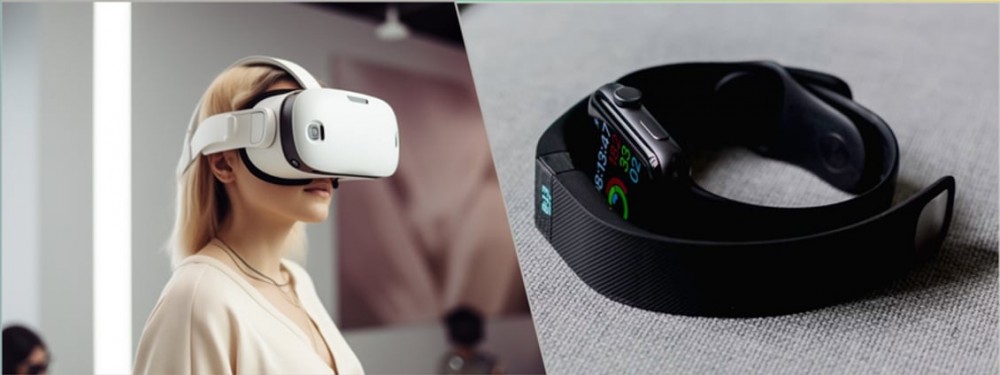
Wearable technology has grown from a niche innovation to a global revolution touching industries like healthcare, sports, lifestyle, and consumer electronics. Whether it's smartwatches tracking heart rate, fitness bands monitoring steps, or advanced medical wearables detecting early symptoms, wearables have become essential tools for improving daily life. At the heart of this innovation lies wearable device design—a specialized process combining hardware engineering, embedded systems, UX design, data integration, and cutting-edge technology.
In this guest post, we’ll explore why wearable device design is crucial, the challenges involved, the step-by-step development approach, and how professional electronic design companies help turn great ideas into successful wearable products.
Understanding Wearable Device Design
Wearable device design refers to the end-to-end process of creating compact, comfortable, intelligent, and reliable electronic devices that users can wear on their body. These devices are often used for:

- Fitness monitoring
- Health tracking
- Smart lifestyle applications
- Safety and security
- Industrial monitoring

- Consumer electronics innovations
Designing wearables requires expertise in ergonomics, miniaturized electronics, wireless connectivity, battery optimization, and user-friendly interfaces.
Why Wearable Device Design Matters in Today’s World
✔ 1. Rising Demand for Health & Fitness Monitoring
Post-pandemic awareness has boosted demand for personal health trackers. Wearable devices like pulse oximeters, ECG-enabled smartwatches, and body temperature sensors are now everyday tools.
✔ 2. Increased Adoption of Smart Lifestyle Gadgets
From wireless earbuds to smart jewelry, consumers want convenience blended with intelligence. Wearables offer personalized connectivity and real-time data.
✔ 3. Opportunities for Startups & Product Innovators
With strong market growth, entrepreneurs and product developers are exploring innovative wearable solutions. Unique features, AI integration, and IoT connectivity allow startups to enter competitive markets.
✔ 4. Real-Time Data Collection for Research & Medical Use
Medical-grade wearables help doctors and researchers monitor patient conditions remotely, allowing early diagnosis and improved clinical outcomes.
✔ 5. Growing IoT Ecosystem
Wearables are essential IoT components. Their ability to communicate with smartphones, cloud platforms, and other devices enables richer data-driven experiences.
Key Components of Successful Wearable Device Design
Designing an effective wearable device involves multiple interconnected elements:
1. Ergonomics and Comfort
A wearable must be lightweight, comfortable, and easy to wear for long hours. Materials like medical-grade silicone, flexible plastics, and breathable fabrics are commonly used.
2. Miniaturized Electronics
Wearable devices require compact PCBs, low-power chipsets, microcontrollers, and efficient sensor integration.
3. Sensors & Data Accuracy
Sensors such as heart-rate monitors, accelerometers, gyroscopes, ECG modules, and SpO2 sensors are integral to modern wearables.
4. Connectivity
Bluetooth Low Energy (BLE), Wi-Fi, NFC, and LTE-M enable seamless data transfer.
5. Battery Optimization
One of the biggest challenges. Designing a wearable with long-lasting battery life requires:
- Low-power components
- Intelligent power management
- Efficient energy consumption algorithms
6. Firmware & App Integration
Wearables must sync with mobile apps or dashboards. UX/UI design plays a key role in user satisfaction.
7. Durability & Compliance
Devices must pass certifications like:
- CE
- FCC
- ISO standards
- Medical compliance (for health wearables)
The Step-by-Step Process of Wearable Device Design
1. Requirement Analysis & Concept Ideation
The team identifies the device’s purpose, target users, features, estimated cost, and intended market.
2. Hardware Architecture & Component Selection
Engineers select sensors, microcontrollers, power units, and connectivity modules based on performance and size constraints.
3. Industrial Design & Prototyping
3D models, sketches, and mock-ups are created to decide form factor, comfort level, and appearance.
4. PCB Design & Layout
Compact and multilayer PCBs are designed to fit within tiny spaces.
5. Firmware Development
Firmware controls:
- Data collection
- Sensor calibration
- Power management
- Communication protocols
6. Mobile App & Cloud Integration
Wearables sync with apps to provide insights and dashboards.
7. Prototype Testing
Testing includes:
- Functional testing
- Comfort and wearability tests
- Battery performance testing
- Stress and durability tests
8. Compliance & Certification
Essential for market approval, especially for medical-grade devices.
9. Scaling & Manufacturing
Once the prototype is approved, mass manufacturing begins with quality checks.
Benefits of Professional Wearable Device Design Services
Partnering with experts ensures:
- Faster time-to-market
- Cost-effective product cycles
- Advanced miniaturization expertise
- High-quality industrial and electronics design
- Seamless IoT and app integration
- Tested and certified solutions
A reliable engineering team helps businesses avoid costly design failures and achieve market-ready wearable devices successfully.
Frequently Asked Questions (FAQ)
1. What is wearable device design?
Wearable device design refers to creating compact, smart, user-friendly electronic devices that can be worn on the body, such as smartwatches, fitness bands, and medical wearables.
2. Which industries use wearable devices the most?
Healthcare, sports, consumer electronics, safety monitoring, and lifestyle industries use wearables extensively.
3. Why is battery life important in wearable devices?
Wearables are used throughout the day. Longer battery life improves user experience and device reliability.
4. How long does it take to design a wearable device?
Depending on complexity, design-to-prototype typically takes 3–8 months.
5. Can startups build wearable devices?
Yes! With the right engineering support and clear product vision, startups can successfully launch innovative wearable products.
Disclaimer
This article is for informational and educational purposes only. Wearable technology development and health-related devices may require regulatory approvals, safety testing, and professional engineering support. Always consult certified electronics engineers, medical device experts, and compliance specialists before developing or using any wearable device design.





