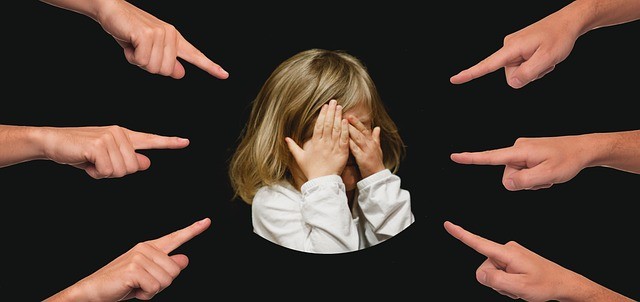
There’s a picture I keep on my phone. It’s from two years ago, right when my kindergartener was heading back to school after what felt like an endless loop of lockdowns and at-home learning. His backpack was bigger than he was, his shoes were new, and his face was the picture of pure, heart-wrenching terror.
I remember thinking, “Wait, didn’t we already conquer this way back in preschool?”
If the back-to-school season has hit your family like an emotional tidal wave, marked by extra-clingy mornings, tearful drop-offs, or even nighttime meltdowns, you are absolutely not alone. In the last few years, countless parents, myself included, have noticed a profound, stubborn increase in what we’re now recognizing as severe Child’s separation anxiety. It’s the elephant in every elementary school hallway, and it’s time we talk about why it’s happening and what we can do about it.
The Invisible Wall: Why Anxiety Is Up
For nearly two years, the world outside our homes was scary, uncertain, or simply off-limits. We were conditioned to believe our homes were safe and that the people we loved most should be kept close. This created what I call the "Invisible Wall" a subconscious boundary where the separation of anxiety simply wasn't a factor because, well, there was no separation.
Now, we are asking our kids to dismantle that wall overnight. They’re leaving the secure fortress of home and caregiver to venture back into crowded classrooms, and for many of them, it’s terrifying.
It's crucial to understand that this isn't manipulation; it’s a deep, primal response to a major environmental shift. Furthermore, our parenting anxiety often acts as a fuel source. If we are stressed, rushed, or visibly upset during the drop-off, our child picks up on that signal and confirms their worst fears: "If Mom is worried, I must really be unsafe."
From Lockdown to Learning: Rebuilding Social Muscles
The return to structured environments like a play based preschool or elementary school is essential, but it requires practice. Kids missed out on critical windows for developing social interactions and independent coping skills.
Think about the sheer number of activities for preschoolers and younger children that center on gentle separation: playdates where Mom steps into the kitchen, short trips to the park with a grandparent, or structured class activities that encourage individual task focus. When these were stripped away, their social development stalled, making the school environment feel overwhelming.
Practical Strategies to Calm Anxiety
The good news is that just as separation anxiety developed, we can actively work to manage it. This isn't about rushing your child; it's about providing predictable comfort and tools to calm anxiety at its source.
- The Predictable Goodbye: Consistency is a magic wand. Create a quick, ritualized goodbye: two hugs, one high-five, and a specific phrase ("I will see you after reading circle!"). Never sneak out. A brief, predictable farewell is less stressful than a sudden disappearance.
- Transitional Object Power: A small, approved item from home (a picture, a smooth stone, or a tiny plush toy) can act as a psychological bridge. It gives them something physical to hold onto that connects them back to you, easing the feeling of separation.
- Validate, Don't Dismiss: When your child says, "I miss you," don't respond with, "Don't be silly, you'll be fine!" Instead, try, "I know you're feeling a little wobbly, and I miss you too. I know you can handle this, and I’ll be back soon." Acknowledging their feelings is a huge step toward self healing and emotional regulation.
- Practice Short Bursts: If drop-offs are brutal, practice short separations at home. Say you’re going to step outside for five minutes to get the mail, and then follow through immediately. This rebuilds their trust that you always return.
The Next Step: Looking Forward with Compassion
This surge in anxiety is a chapter, not the whole story. As parents, the post-pandemic period has demanded incredible patience and a complete reset of our expectations. If the strategies above feel inadequate, remember that seeking professional help is a sign of great strength, not failure.
Give yourself and your child grace. The ultimate goal is not to eliminate all tears, but to equip your child with the emotional tools to manage big feelings and understand that separation can be safe, predictable, and even fun.
The Invisible Wall may be thick, but every consistent, loving drop-off and reassuring word is a hammer chipping away at it. You’ve got this.