

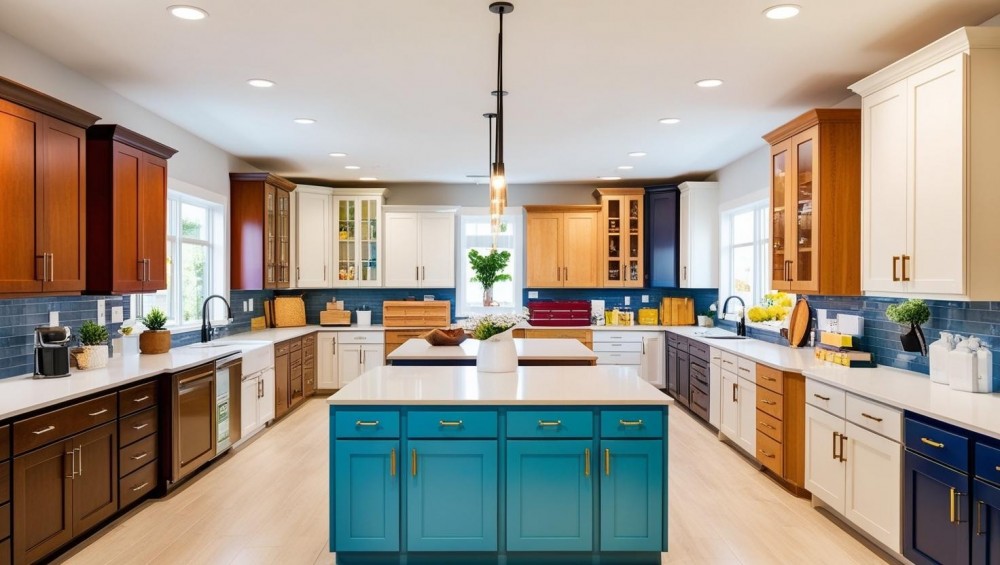
When designing a small kitchen, every decision you make is crucial. From the layout to the choice of colors and materials, each element plays a role in maximizing space and enhancing the functionality of your kitchen. One of the most important decisions in any kitchen design is selecting the right countertops. The countertop is often the most visible and used surface in the kitchen, so it’s essential to pick a material that not only fits your aesthetic but also optimizes the space. In this article, we will guide you through the process of choosing countertops for small kitchens, considering factors like space optimization, material options, maintenance, and style.
Why Countertop Selection is Crucial in Small Kitchens
In small kitchens, countertops serve more than just a functional role. They are the centerpiece of the room and can influence both the space's appearance and how efficiently it functions. A well-chosen countertop can make a small kitchen feel more spacious, brighten up the room, and even increase the kitchen's overall value. The wrong countertop, however, can make the space feel cramped and overcrowded.
When selecting countertops for small kitchens, there are several factors to keep in mind, such as:

- Space maximization: Small kitchens require countertops that make the most of the available space.
- Light reflection: Lighter countertop materials can help reflect light and make a small kitchen feel larger.
- Functionality and durability: Small kitchens often have limited storage and prep space, so your countertops need to be durable and multifunctional.
- Style and aesthetics: The style of your countertops should complement the overall theme and color scheme of your small kitchen.
Key Considerations for Selecting Countertops for Small Kitchens
Before diving into the materials and styles, it’s essential to understand the considerations that are especially relevant for small kitchens.

1. Opt for Lighter Colors to Open Up the Space
Lighter countertop colors can make a significant difference in a small kitchen. Light tones help reflect natural light, which can make the kitchen appear brighter and more spacious. Dark countertops, while beautiful, can make the room feel more closed in and visually heavier.
Popular Light Countertop Colors for Small Kitchens
- White: Classic, timeless, and brightens up any space.
- Light Gray: Offers a modern and clean look without being too stark.
- Beige or Cream: Neutral and warm, these tones work well with various design styles.
- Soft Pastels: Light blues, greens, and other pastel shades can add a fresh and airy feel to your small kitchen.
2. Choose Compact, Sleek Materials to Maximize Visual Space
In smaller kitchens, it’s important to choose countertop materials that have sleek, streamlined appearances. Busy or overly textured materials can add visual clutter, making the space appear even smaller. Opt for materials that have simple, clean lines and surfaces.
Ideal Materials for Small Kitchens:
- Quartz: Quartz countertops are not only durable but also come in sleek, solid colors or subtle patterns that can make a small kitchen feel modern and open.
- Granite: For a more natural look, granite countertops in lighter colors can provide a sleek surface without the heavy visual texture found in darker granite.
- Solid Surface (e.g., Corian): Solid surface countertops are smooth, seamless, and offer a clean, modern look that doesn’t overwhelm the space.
- Butcher Block: A light-colored wood like maple or birch can bring warmth without cluttering the visual space.
3. Incorporate Vertical Space with Extended Countertops
In small kitchens, maximizing countertop space can sometimes be a challenge due to the lack of square footage. One way to maximize the usefulness of your countertop is by extending it upward, integrating vertical elements like raised counters or shelves into the design. This allows you to maintain functionality without sacrificing precious space.
- Butcher block islands: Consider extending a butcher block countertop vertically to create an island or additional workspace, which can be particularly useful if you have limited counter space.
- Backsplashes: Use the same countertop material as a backsplash for a seamless look. This approach visually expands the space, making the room feel taller and more cohesive.
- Overhangs: If you can, consider designing a small counter overhang that doubles as a breakfast bar or additional prep space. This can provide more workspace without taking up additional room.
Top Countertop Materials for Small Kitchens
Now that we’ve discussed how countertop design can maximize space in a small kitchen, let’s explore some of the best countertop materials for small kitchens. We’ll look at the features of each material and how it can complement the needs of small spaces.
1. Quartz Countertops
Quartz countertops are one of the most popular choices for small kitchens, and for good reason. Made from natural stone and resin, quartz offers a sleek, non-porous surface that is resistant to scratches, stains, and bacteria. It’s an excellent choice for small kitchens because it’s durable and comes in a wide variety of colors and finishes, including light tones and subtle patterns.
Benefits for Small Kitchens
- Low maintenance: Quartz countertops are easy to clean and do not require sealing, which makes them perfect for busy kitchens with limited time for upkeep.
- Versatility: Available in a variety of colors, quartz can easily complement any kitchen design style.
- Durability: Quartz is highly resistant to heat, stains, and scratches, making it ideal for a space that gets a lot of use.
Drawbacks
- Price: Quartz can be expensive, though it’s an excellent long-term investment due to its durability.
- Heat sensitivity: Though durable, quartz can be damaged by high heat, so using trivets is essential.
2. Granite Countertops
Granite is a natural stone known for its beauty and durability. While it’s generally associated with larger kitchens, it can also work well in small spaces when chosen in lighter colors. The unique veining and patterns in granite provide a touch of luxury and elegance to the kitchen.
Benefits for Small Kitchens
- Natural beauty: Each slab of granite is unique, giving your kitchen a one-of-a-kind look.
- Heat and scratch resistance: Granite is highly resistant to heat and scratches, making it perfect for busy kitchens.
- Longevity: Granite is a long-lasting material that can increase the resale value of your home.
Drawbacks
- Requires sealing: Granite needs to be sealed regularly to prevent staining and damage.
- Heavy: The weight of granite may require additional structural support, which could be a concern in smaller kitchens with existing cabinetry.
3. Butcher Block Countertops
For a cozy, warm feel in a small kitchen, butcher block countertops made from wood are an excellent choice. They are particularly well-suited for small kitchens because of their light tones and ability to bring warmth into the space.
Benefits for Small Kitchens
- Natural warmth: Butcher block adds a natural warmth to small kitchens, creating an inviting atmosphere.
- Ideal for food prep: Butcher block surfaces are perfect for chopping, cutting, and other kitchen tasks.
- Affordable: Butcher block tends to be more affordable than granite or quartz, making it a budget-friendly choice.
Drawbacks
- Requires maintenance: Butcher block countertops need regular oiling and sealing to prevent water damage, staining, and cracking.
- Scratch-prone: Wood can be scratched by knives and heavy objects, though the marks can often be sanded out.
4. Laminate Countertops
Laminate is one of the most budget-friendly countertop materials available, and it’s available in a wide range of colors and finishes. While it’s not as durable as granite or quartz, laminate can be an excellent option for small kitchens due to its affordability and versatility.
Benefits for Small Kitchens
- Affordable: Laminate is one of the most affordable countertop materials, making it ideal for those working with a limited budget.
- Variety of designs: Laminate comes in many colors and patterns, including designs that mimic natural stone or wood, which can be perfect for a small kitchen where style matters.
- Easy to clean: Laminate countertops are non-porous, making them easy to wipe down and maintain.
Drawbacks
- Less durable: Laminate is more prone to scratches, dents, and heat damage compared to stone surfaces.
- Doesn’t add as much value: While affordable, laminate countertops don’t add the same high-end value to a home as materials like granite or quartz.
Conclusion
Choosing the right countertop for a small kitchen involves balancing style, functionality, and space optimization. Lighter materials like quartz and granite can help open up the space, while sleek and durable options like butcher block and laminate can make your kitchen feel both stylish and practical. Whatever material you choose, it’s essential to select one that fits your aesthetic preferences, maintenance needs, and lifestyle. With the right countertop, your small kitchen can feel spacious, functional, and beautiful, all while enhancing the value and appeal of your home.





