

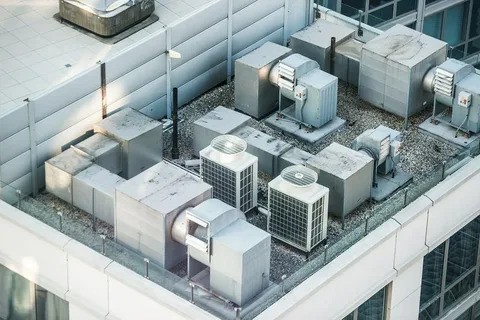
If you want to choose the best HVAC system for your house, you'd better do some research. Because a good system will save and utilize energy efficiently. Energy efficiency is very important because no one wants to pay large utility bills every month. A good HVAC system controls the humidity and improves the air quality. When someone is planning to install an HVAC system in their house, they should do proper research because there are several types of systems on the market nowadays. Some are combined HVAC systems, but some are divided into different sections. All in all, there is a lot in the market to explore.
When you’re building a home, you have the advantage that you can plan your HVAC system yourself. Because in an old home, you have to make adjustments with the one you already have, or even if you want to install a new one, you don’t have much freedom to do that. You can hire HVAC estimating services if you want to plan your project properly. Their main job is to estimate the cost that will go into setting up the new HVAC system. But it also helps in planning how you should set up the system. But mostly it is the job of mechanical engineers. This article is about choosing the best HVAC systems for your house.
HVAC Options
1. Central AC and Heating Systems
It is one of the most common choices these days. They use ducts to divide the treated air across the rooms. These systems include:

a) Split Systems
You might have heard the word of split AC. This is that type. It has an indoor unit and an outdoor unit, and both are connected. They are quiet and have good results in all sorts of homes.
b) Packaged Unit
This system itself is placed outside the house. The parts include the compressor, the condenser, and the air handler. They are used if a house is small, so they place it outside with its face inwards.
2) Heat Pump Systems
Heat pumps are becoming extremely popular. Instead of generating heat, they transfer it.
Benefits:
- Its working is quiet.
- You observe a reduction in utility bills.
- It uses less energy.
3) Mini-Split Systems (Ductless)
Its temperature can be customized. There is a small outdoor unit that is linked to several indoor units located in different rooms or spaces.

Advantages
- No ducts are made inside the building.
- It is great for buildings where multiple spaces need temperature control.
- Every room can control its temperature individually.
- It is energy efficient.
4) Furnaces and Boilers
Gas furnaces use ducts to transfer the air they heat. They are an affordable option. And boilers heat water at a very even temperature.
5) Zoned HVAC Systems
A zoned system basically divides the entire building into multiple sections. Each one can have its own thermostat. If the building is multi-story and the temperature in the building varies a lot, this is an excellent option.
Why Choose This?
- It is energy-saving because it slows down its work if the temperature is adjusted.
- It keeps the entire building at one temperature, which makes the lifestyle better.
6) Smart HVAC
In the word smart is added with the HVAC system. It means that it will manage the temperature of the area smartly. These systems have sensors that sense the temperature of the room and adjust the working accordingly. It means that if at some time the temperature is stable, the HVAC system will slow down its operation instead of working at the same pace, which is a waste of energy.
There are several options available for HVAC systems, and you can use a construction cost estimation service to estimate the cost of setting up the system. Because anyone who installs the system will consider their budget as well.
How to Choose the Best HVAC System
a) Climate
In some regions, you do not need an entire HVAC system. Air-conditioning systems work better there.
b) Home Size
Your home size decides whether it needs a central heating system or some other type of system, such as zoning HVAC.
c) Insulation Quality
Insulation quality really matters when it comes to managing the temperature of the building. No matter how good your HVAC system is, if the insulation is not good enough, it will not work to its maximum capability.
d) Budget
Some systems are initially expensive, but over time they provide better service, which pays for their cost itself. But, in the end, the client's budget matters.
e) Home Maintenance
One should always choose a system that they think is easier for them to maintain in the long term. Getting a very heavy system installed in your house and not maintaining it over time is a waste of money.
Conclusion
Setting up an HVAC system for new construction requires you to do some research because there are many options in the market. Every option has its frozen cons, and it depends on the client's personal choice on what they want. But the personal choice should always be practical, which makes sense depending on certain factors that you see before you make a final decision about what kind of system you want in your house.





