

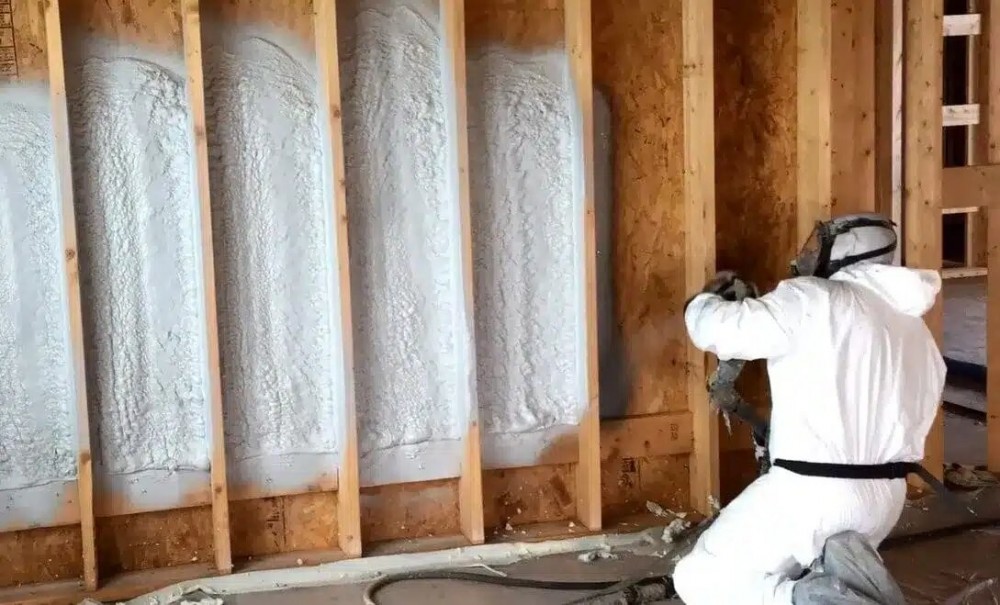
Closed-cell spray foam insulation holds the title of "gold standard" in the construction industry because it serves as a complete building envelope solution rather than just a thermal barrier. It provides the highest R-value per inch of any standard residential insulation, functions as an impermeable vapor retarder, and creates a monolithic air seal that physically strengthens the building's structure. Unlike fibrous materials, which only slow heat transfer, closed-cell foam stops air leakage entirely and rejects bulk water, solving multiple building science challenges in a single application.
This reputation for superiority stems from its chemical composition and physical density. When applied, the material expands and cures into a rigid, hard plastic that bonds aggressively to the substrate. This creates a continuous protective shell that eliminates the gaps, seams, and compression issues common with fiberglass or cellulose. For property owners prioritizing maximum energy efficiency, moisture control, and structural durability, closed-cell spray foam insulation offers performance metrics that other materials simply cannot match.
The Technical Superiority of Closed-Cell Foam
To understand why this material commands a premium, one must look at its physical properties. It is not merely a "fluffy" filler; it is a dense, engineering-grade product designed to withstand severe environmental stress.

Unmatched Thermal Resistance
The primary metric for insulation is R-value, which measures resistance to heat flow. Closed-cell foam typically delivers an R-value between R-6 and R-7 per inch. In comparison, open-cell foam offers around R-3.5, and fiberglass batts perform similarly.
This high density allows builders to achieve code-compliant energy performance in shallow wall cavities where space is limited. It effectively doubles the insulating power of a 2x4 wall compared to traditional methods. This efficiency means the heating and cooling systems run less frequently, resulting in direct, measurable energy savings from day one.
The Monolithic Air and Vapor Barrier
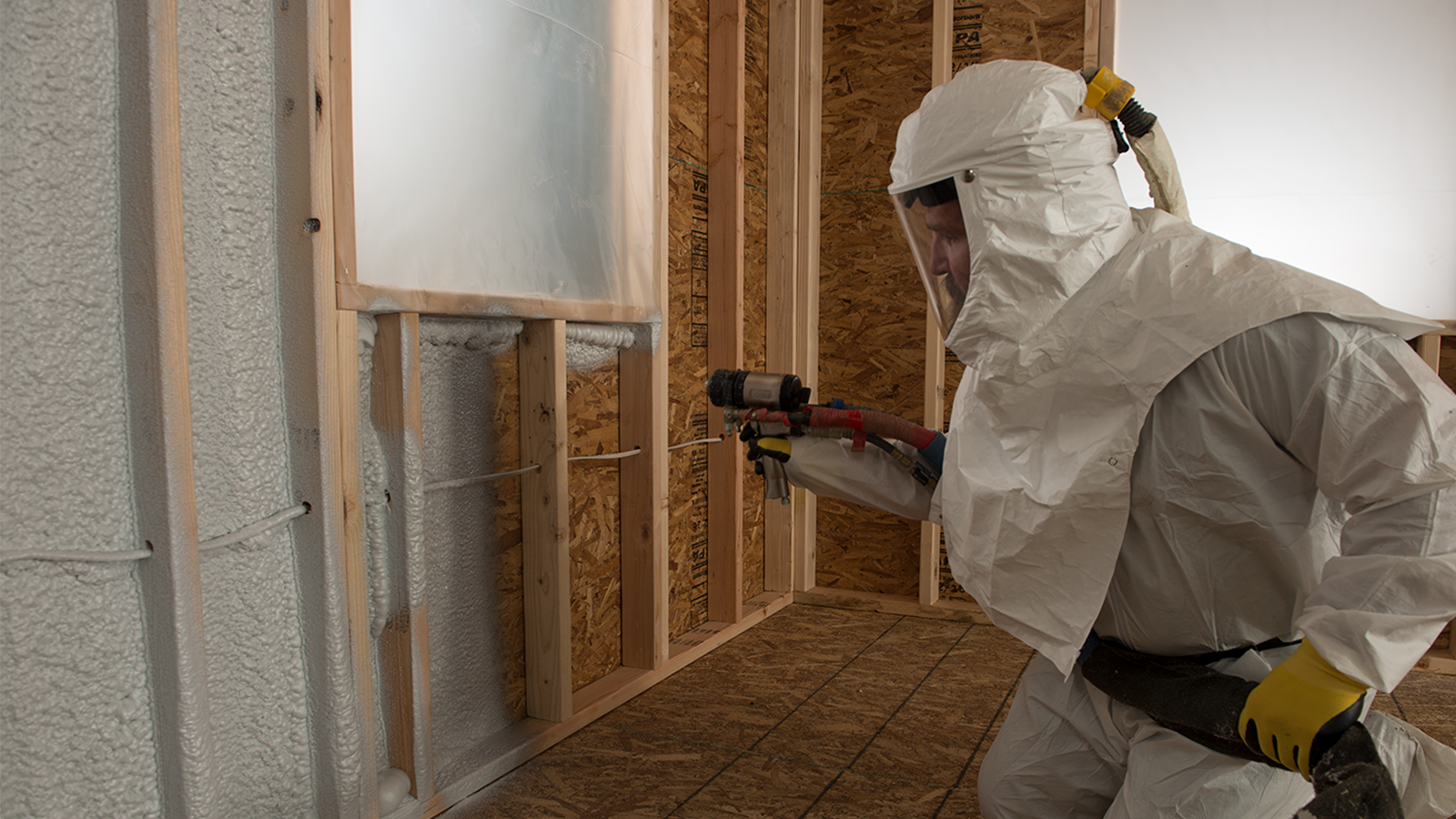
Air leakage accounts for a significant portion of energy loss in buildings. Closed-cell foam expands to fill every crack, crevice, and nail hole, creating a virtually airtight seal.
Moisture Management in Wet Climates
In regions like the Pacific Northwest, controlling moisture is as crucial as controlling heat. Water vapor moves from warm areas to cold areas, often condensing inside walls. Because closed-cell foam is a Class II vapor retarder, it blocks this moisture drive. It prevents water vapor from passing through the wall assembly and reaching cold surfaces where it could turn into liquid water and cause rot.
Structural Reinforcement
One unique benefit of closed-cell foam is its ability to strengthen the building itself. Because it is rigid and adheres firmly to the framing members and sheathing, it glues the wall assembly together.

Industry testing shows that walls insulated with closed-cell foam have significantly higher racking strength and resistance to side-to-side forces, such as wind, than walls without it. This added rigidity reduces building movement and creaking during storms, protecting finishes like drywall and siding from cracking.
Comparison of Insulation Performance
The following table provides a direct comparison of closed-cell foam against other common insulation types, highlighting why it is considered the premium option.
|
Performance Metric |
Closed-Cell Spray Foam |
Open-Cell Spray Foam |
Fiberglass Batts |
|---|---|---|---|
|
R-Value per Inch |
R-6.0 to R-7.0 |
R-3.5 to R-3.8 |
R-3.1 to R-3.8 |
|
Air Barrier |
Excellent (Air impermeable) |
Good (Air impermeable) |
Poor (Air permeable) |
|
Water Resistance |
Waterproof (Rejects water) |
Absorbent (Holds water) |
Absorbent (Holds water) |
|
Vapor Retarder |
Yes (Class II) |
No (Requires vapor barrier) |
No (Requires vapor barrier) |
|
Structural Strength |
High (Adds rigidity) |
Low (Soft/Flexible) |
None |
|
Density |
High (~2.0 lb/ft³) |
Low (~0.5 lb/ft³) |
Variable |
Bonus Tip: The "Flash and Batt" Technique
For projects with budget constraints, specialists sometimes use a hybrid method. They apply one to two inches of closed-cell foam to create the air and vapor seal (the "flash"), then fill the rest of the cavity with less expensive fiberglass batts. This provides the air-sealing benefits of foam at a lower total cost.
Regional Performance: The Seattle Context
In Seattle and the surrounding Puget Sound region, the primary enemy of a building is moisture. The constant drizzle and high humidity create extreme pressure on the building envelope.
Protecting Crawl Spaces and Basements
Crawl spaces in Seattle are notorious for dampness. Installing fiberglass in a crawl space often leads to the material absorbing moisture, sagging, and becoming a haven for mold and rodents. Closed-cell foam is the preferred solution here because it is water-resistant. Even if the crawl space floods, the insulation will not absorb water or lose its R-value. It effectively separates the wooden subfloor from the damp earth below.
Preventing Condensation on Metal
For commercial metal buildings or residential metal roofs in the area, condensation is a major risk. When warm indoor air hits cold metal, it sweats. Closed-cell foam bonds directly to the metal, eliminating the air gap where condensation forms. This protects the metal from rusting and keeps the interior dry.
Things to Consider Before Making a Decision
While closed-cell foam is superior in performance, property owners must weigh several factors before committing to the installation. It is a significant investment that requires careful planning.
Higher Initial Investment
Closed-cell foam is the most expensive residential insulation option on the market. The cost reflects the complex chemical manufacturing, the specialized equipment required for application, and the material's high density. Property owners should calculate the return on investment based on long-term energy savings and durability rather than just the upfront price.
Permanence of the Installation
Once this material cures, it is challenging to remove. It bonds so tightly to wiring, plumbing, and wood that future renovations can be challenging. If a homeowner plans to rewire a room or move plumbing lines in the next few years, they should complete those upgrades before the insulation is applied.
Strict Application Requirements
The chemical reaction that creates the foam requires specific temperature and humidity conditions. If the substrate is too cold or wet, the foam may not adhere properly. This means installation schedules in Seattle can be weather-dependent, sometimes requiring the use of heaters to prepare the building.
Questions People Ask About Closed-Cell Insulation
Here are five common questions regarding the practical application and safety of closed-cell foam.
Is closed-cell foam completely waterproof?
Closed-cell foam is water-resistant and provides flood-damage resistance. While it is not designed to seal a pressurized water leak, such as a pipe burst, it will not absorb bulk water from flooding or rain penetration. After the water recedes, the foam can usually be cleaned and dried without needing to be replaced.
Can rodents tunnel through closed-cell foam?
While no insulation is rodent-proof, closed-cell foam is much more resistant to pests than other materials. Its dense, hard texture makes it difficult and unappealing for mice and rats to chew through. It also blocks the scent trails that pests use to enter homes.
Does the foam off-gas harmful chemicals?
During the application process, the foam releases gases, which is why occupants must leave the building. However, once the foam has fully cured, typically within 24 hours, it becomes inert and safe. It does not release volatile organic compounds (VOCs) into the home over time.
Why is closed-cell foam used for cathedral ceilings?
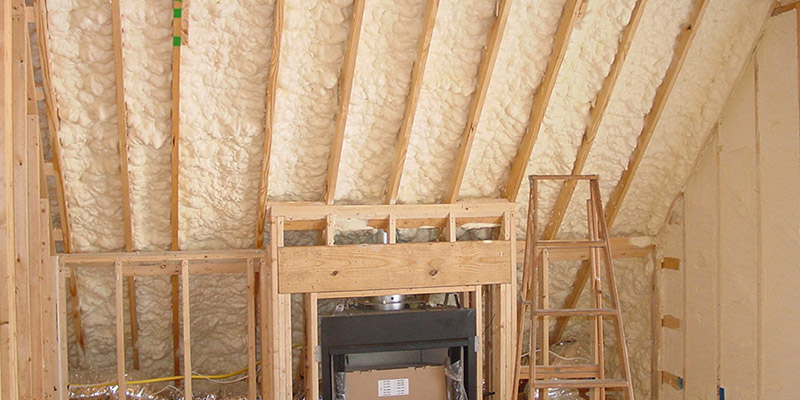
Cathedral ceilings / unvented roofs have limited space for insulation. Because closed-cell foam has such a high R-value per inch, it allows builders to achieve the required thermal resistance in thin roof rafters without lowering the ceiling height.
Does it act as a sound barrier?
Yes, but different from open-cell foam. While open-cell foam is softer and absorbs sound waves better, closed-cell foam blocks sound transmission by sealing the air gaps through which noise travels. It is effective at reducing exterior noise, such as traffic noise or wind noise.
Summary of Key Takeaways
Closed-cell spray foam insulation earns its status as the gold standard by delivering a trifecta of benefits: superior thermal resistance, absolute moisture control, and structural reinforcement. It solves the specific challenges of damp climates by preventing condensation and blocking air infiltration, ensuring a stable, energy-efficient indoor environment.
While the upfront cost is higher than for traditional materials, the long-term value lies in the building's durability and reduced monthly utility expenses. For structural elements like basements, crawl spaces, and unvented roofs, no other material offers the same level of protection and performance.
Taking the Next Step for Your Property
Property owners interested in upgrading to this high-performance solution should seek a professional assessment to determine the specific needs of their building. A qualified expert can identify the areas where closed-cell foam will provide the greatest return on investment.
Cascadia Spray Foam Insulation of Seattle specializes in the application of closed-cell spray foam insulation for residential and commercial properties throughout the Pacific Northwest. Their team understands the local climate challenges and ensures precise installation for maximum durability. To discuss your insulation project, contact them at info@cascadiasprayfoam.com or call (425) 386-3500.
Reviewer: Olivia Thompson has spent 10 years working in spray foam insulation, helping companies grow their visibility. She reviewed this article and provided valuable suggestions to better align the content with customers' needs and expectations, ensuring it resonates with the target audience.





