

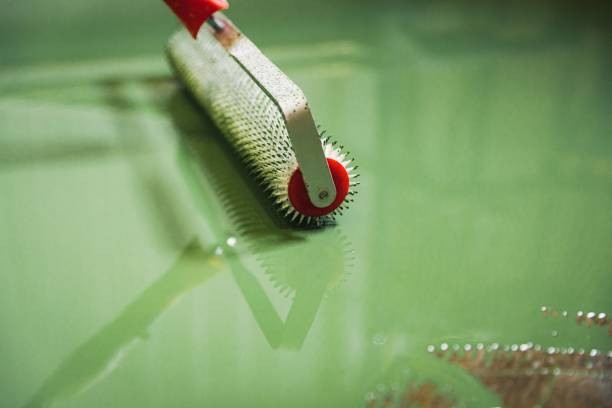
Let’s get this out of the way first: a lot of folks underestimate how much tool maintenance really shapes the final result of a coating or construction project. They’ll fuss about the coating brand, the humidity, the budget, and the schedule. Everything except the condition of the tools in their hands. And that’s wild to me, because one of the biggest leaps in project quality—and crew sanity—comes from simply keeping your tools in shape.
Some of this gets even more obvious the minute you pick something like the best roller for epoxy garage floor and compare it to some half-soaked, cheap roller that’s been sitting in a bucket for three days. The difference is night and day.
Anyway. Let’s dig into the relationship between tool upkeep and the kind of project results clients actually remember.
Why Tool Maintenance Sits at the Core of Project Quality
A lot of people think tool maintenance is just “clean your tools so they don’t rust.” True, but also not even close.
Proper maintenance is more like this cycle: you stay inside, the better your tools work, the better you work. And the better you work, the cleaner and more consistent your results. And those results push every future job faster, smoother, and cheaper.
Skip maintenance, and the whole thing flips. Tools degrade, so your strokes get rougher, your finish goes patchy, and suddenly your crew’s spending more time fixing mistakes than applying anything.
Sometimes it’s not even big failures. It’s the little things. A roller frame is getting loose. A brush losing its bristles in the middle of a coat. A squeegee edge that’s just slightly warped. Those “small” issues cost you hours—sometimes days—when you stack them across a project timeline.
How Poorly Maintained Tools Show Up in the Final Finish
If you’ve ever tried to roll a floor with an old, half-clogged roller, you already know this part. But let’s break it down anyway because people still gamble on busted tools as they’ll magically perform.
Uneven Coverage
Old rollers, especially ones that weren’t cleaned right, hold material weirdly. They drag, stutter, or lay product thicker in streaks. You end up chasing those marks forever.
Surface Defects
A neglected brush can shed hairs like an anxious cat. And it always happens mid-stroke, right where a client will spot it the second the coating dries.
Inconsistent Texture
If you use texture rollers, notch trowels, or spike rollers for epoxies, one small defect—one tooth bent out, one spike clogged—turns the final coat into a patchwork. Texture inconsistencies are obvious. Embarrassingly obvious.
Material Waste
A dirty tool absorbs more than it delivers. A rusty one contaminates the batch. A cracked one leaks.
Tools should help the material work for you, not disappear into the abyss.
Where Maintenance Meets Workflow (and Why Crews Notice It First)
Ask any project lead what slows them down, and they’ll give you a list. Weather. Clients hovering. Deliveries are showing up late.
But right behind all that? Tool problems.
Not enough people treat maintenance as a workflow advantage. A well-maintained set of rollers, trowels, mixers, sprayers—it keeps the rhythm steady. Crews don’t have to stop and troubleshoot every hour. They don’t need to run out for replacements. They don’t have to redo half a section because the roller decided to lint all over the wet epoxy.
Mid-project, that cleanup time is brutal. That’s also usually where people realize they should’ve stocked up earlier. This is where something like chip brushes bulk becomes a lifesaver. Cheap? Yes. Disposable? Pretty much. But when you’re cutting in edges, testing product, hitting corners—having a stack of fresh chip brushes means you’re not messing around with ones that survived 12 jobs and look like they were chewed on by raccoons.
Good crews don’t “hope” tools last. They plan for replacements and maintenance.
Maintenance Habits That Actually Matter (More Than You Think)
I’m not going to give you a perfect checklist. That’s not how real jobs work. But here are a few habits that genuinely move the needle:
Clean Immediately, Not ‘Later’
“Later” is the same as “never.” Everyone knows it, but still tries to cheat the rule. Wet coatings come off. Dried coatings fight back.
Lubricate and Tighten More Often Than You Think
Roller frames loosen. Spray guns gum up. Mixers seize.
None of these problems announces itself politely.
Replace Cheap Tools Before They Fail
Look, a $2 chip brush is not a family heirloom. Toss it. The same goes for foam rollers, cheap trays, old gloves, and those dented scraper blades that make your whole stroke feel wrong.
Store Tools Like You Want Them Tomorrow
Not like you’re angry at them.
Not like you’re hoping someone else will deal with it.
Flat. Dry. Organized. Simple.
Know When ‘Good Enough’ Isn’t
Some tools wear out fast, especially anything used with epoxies, urethanes, or acrylics. Epoxy rollers used on floors? They die hard, and they die young. Pretending otherwise just ruins the project.
Selecting Tools That Are Worth Maintaining
Maintenance is only part of it. You also need tools that are worth the trouble. You can baby a cheap roller all you want, but it’s never going to give you the smooth, glass-like finish you get from a high-quality one designed for epoxies.
That’s why pros obsess over picking the best roller for epoxy garage floor right from the start. It’s not just preference. It’s protection—from fisheyes, lint, drag marks, flat spots, and that annoying “peel away” effect you see when rollers absorb too much resin.
A good tool is an investment. Maintenance protects that investment. Together, they protect the final finish.
The Real Relationship Between Tool Care and Quality
Here’s the blunt version:
If your tools are trash, your work will be too.
No amount of skill saves you from bad tools. And no fancy coating system magically hides streaks, hairs, or uneven spread patterns left behind by sloppy equipment. Maintenance is how you respect the craft. It’s how you keep jobs profitable. And honestly? It’s how you stay sane.
Well-maintained tools let you focus on technique, timing, and material behaviour—rather than babysitting something that should’ve been cleaned or replaced two projects ago.
Conclusion: Keep Your Tools Right, and Your Projects Stay Right
Project quality doesn’t just come from talent or product selection. It comes from the boring stuff too—the daily habits, the cleanup routines, the five-minute TLC you give your tools so they give you eight good hours tomorrow.
The crews who understand that? Their projects show it. Clients feel it. And the finished surface—whether it’s a warehouse line stripe or a full epoxy garage floor—looks exactly like it should: clean, even, sharp.





