
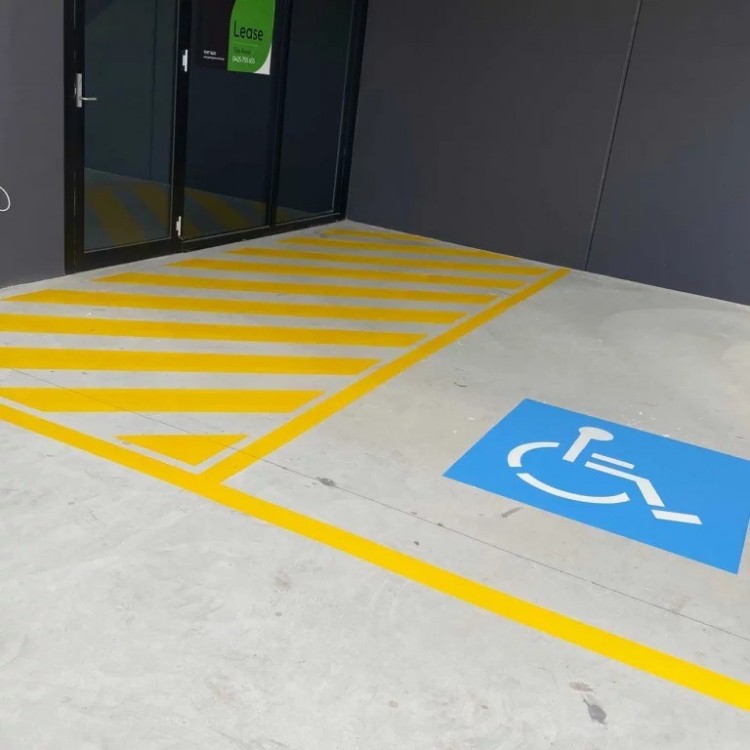
In today’s inclusive society, accessibility is more than just a buzzword – it’s a necessity. Public spaces, businesses, and residential complexes all have a responsibility to ensure that everyone, regardless of physical ability, can access facilities with ease and dignity. One often overlooked but crucial component of accessibility is disabled parking line marking.
Accurate and compliant disabled parking line marking plays a vital role in promoting accessibility and safety. This article delves into why precise disabled parking line marking is essential and how it benefits both the community and businesses alike.
Understanding Disabled Parking Line Marking

Disabled parking spaces are specially designated areas close to building entrances, reserved for vehicles transporting people with disabilities. These spaces are wider than regular parking spots to accommodate wheelchair ramps and mobility aids. The line marking around these spaces visually defines the boundaries, ensuring they are used correctly and remain accessible.
Accurate disabled parking line marking includes not only the painted lines but also symbols like the International Symbol of Access (ISA), clear signage, and sometimes tactile ground surface indicators. Together, these elements guide drivers and pedestrians, maintaining order and safety.
Legal Requirements and Compliance
In Australia, disabled parking spaces and their markings must adhere to strict standards set out by local and national regulations, including the Australian Standards AS/NZS 2890.6:2009. This standard specifies dimensions, markings, and signage to ensure consistency and clarity.
Non-compliance can result in penalties for property owners and businesses. More importantly, failure to provide appropriately marked disabled parking bays can exclude people with disabilities, denying them equal access and potentially leading to discrimination claims.

Specialist contractors ensure every job meets these standards precisely. By staying updated with the latest regulations, they help you be confident your disabled parking line marking is legally compliant and effectively marked.
Why Accuracy Matters
1. Promotes Accessibility and Inclusion
The primary goal of disabled parking line marking is to provide safe and convenient access to facilities for people with mobility challenges. Accurate markings ensure that these bays are easy to find, correctly sized, and reserved strictly for those who need them.
When disabled parking spaces are poorly marked, confusing, or incorrectly sized, it creates unnecessary barriers. This can discourage people with disabilities from visiting your premises or cause frustration and inconvenience.
2. Enhances Safety
Properly marked disabled parking bays contribute to overall safety in parking areas. Wider bays allow drivers to safely open car doors and deploy wheelchairs or other mobility aids without encroaching on adjacent spaces or pedestrian pathways.
Clear lines and signage reduce the risk of unauthorised vehicles parking in these bays, which can otherwise force people with disabilities to park further away, often in unsafe or inaccessible spots.
3. Supports Efficient Traffic Flow
Accurate line marking helps organise parking lots and minimise congestion. Well-defined disabled parking spaces prevent misuse and ensure that the parking lot functions smoothly, benefiting all users.
This is especially important in busy commercial areas, healthcare facilities, shopping centres, and public venues where parking demand is high.
4. Reflects Positively on Your Business
Showing commitment to accessibility sends a strong message that your business values all customers. Well-maintained and correctly marked disabled parking spaces demonstrate professionalism, inclusivity, and social responsibility.
This can enhance your brand reputation and build customer loyalty, giving you a competitive edge in your community.
How Quality Disabled Parking Line Marking is Delivered
Choosing the right contractor for your disabled parking line marking is critical. Skilled teams combine expertise, quality materials, and advanced techniques to deliver durable, compliant, and highly visible markings.
Key Steps Include:
- Site Assessment: Evaluating your site to determine the optimal layout for disabled parking bays according to Australian standards and site-specific requirements.
- High-Quality Materials: Using premium, weather-resistant paints and thermoplastics that maintain visibility in all conditions and reduce the need for frequent repainting.
- Precision Application: Applying lines and symbols with exact measurements and consistent finishes to maximise clarity and durability.
- Compliance Assurance: Ensuring all markings meet local council regulations, Australian Standards, and any additional client-specific needs.
- Maintenance Services: Providing scheduled maintenance and remarking services to keep disabled parking spaces in top condition over time.
The Bigger Picture: Accessibility Beyond Parking
While disabled parking line marking is a critical starting point, true accessibility requires a holistic approach. This includes ramps, automatic doors, tactile indicators, and accessible restrooms.
However, the journey often begins with parking. After all, if a person with a disability cannot find a safe and convenient place to park, the rest of the accessibility features may be irrelevant.
By investing in accurate disabled parking line marking, you contribute to a more inclusive community where everyone can participate fully.
Final Thoughts
Accessibility is a fundamental right, and accurate disabled parking line marking is an essential part of fulfilling that right. Whether you manage a shopping centre, hospital, office complex, or public facility, ensuring compliant, clear, and durable disabled parking markings is critical.
If you want to ensure your disabled parking bays meet the highest standards, protect your community, and enhance your reputation, get in touch with Western Suburbs Line Marking today. Together, accessibility becomes a reality.





