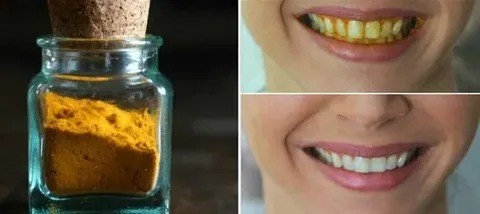
In the ever-evolving world of oral health, innovation often walks hand-in-hand with tradition. Today, the dental landscape is witnessing a fascinating fusion—where age-old remedies and holistic approaches are being harmoniously integrated with state-of-the-art technologies and cutting-edge procedures. From natural teeth whitening methods to digitally designed smiles, dental care is no longer a one-size-fits-all solution.
Take, for example, the increasing popularity of natural alternatives like oil pulling or teeth whitening turmeric. Once considered fringe remedies, these traditional practices are now being evaluated alongside modern, evidence-based treatments. At the same time, advancements like laser dentistry, AI diagnostics, and 3D printing are reshaping the way patients experience dental care.
This article explores the synergy between conventional dental wisdom and contemporary innovations. Whether you’re someone seeking a natural approach or a high-tech solution—or perhaps a blend of both—you'll gain a clearer understanding of how today’s dental trends are redefining oral health for the better.

Key Points
- Understanding the value of traditional dental practices like herbal remedies and home care routines.
- Exploring the latest modern dental technologies, including teledentistry and 3D imaging.
- How traditional solutions are being integrated into modern dental care strategies.
- The pros and cons of natural versus high-tech approaches.
- Practical tips for balancing holistic health and advanced treatments.
1. The Roots of Traditional Dental Practices
Ayurveda, Herbal Remedies, and Ancient Wisdom
Long before modern dentistry evolved, civilizations across the globe relied on traditional practices to maintain oral hygiene. In Ayurvedic medicine, for instance, herbs like neem, clove, and turmeric were commonly used to treat gum ailments and prevent tooth decay. These remedies were often based on centuries of anecdotal evidence and holistic understanding.
Turmeric, known for its anti-inflammatory and antibacterial properties, is a popular example. Its active component, curcumin, has been shown to reduce plaque and gingival inflammation. This has led to the rise of natural solutions such as teeth whitening turmeric as an alternative to chemical-based products.
Oil Pulling and Natural Mouth Rinses
Oil pulling—a traditional practice involving swishing oil (typically coconut or sesame) in the mouth—has gained traction in recent years. Proponents claim it reduces bacteria, freshens breath, and even whitens teeth. Although scientific consensus remains cautious, many patients appreciate its gentle, side-effect-free nature.
2. The Digital Evolution of Dentistry
From X-Rays to 3D Imaging
Modern dentistry has embraced technology with open arms. One of the most transformative advancements is the use of 3D imaging and digital X-rays. Unlike traditional X-rays, 3D technology provides detailed imagery of the oral cavity, allowing for more precise diagnoses and treatment planning.
For instance, digital impressions taken via intraoral scanners eliminate the need for uncomfortable molds, speeding up procedures like crowns, bridges, and orthodontic planning.

Teledentistry and Virtual Consultations
Teledentistry has revolutionized access to dental care, especially in rural and underserved areas. Patients can now consult with dental professionals through video calls, send images of dental issues for assessment, and even receive prescriptions without stepping into a clinic. This not only saves time but also promotes preventive care.
3. Biomimicry and Natural Integration in Modern Treatments
Biocompatible Materials
Modern restorative dentistry is increasingly focused on using biocompatible materials that align with the natural structure of teeth and gums. Ceramic implants, BPA-free resins, and composite fillings are now preferred over traditional metal-based options to minimize allergic reactions and improve aesthetic outcomes.
Minimally Invasive Techniques
Traditional drill-and-fill methods are being replaced by minimally invasive techniques that aim to preserve as much of the natural tooth structure as possible. Laser dentistry, for example, allows for precise removal of decay with minimal discomfort, reducing the need for anesthesia and speeding healing time.
4. Cosmetic Dentistry: Where Nature Meets Enhancement
Natural Whitening vs. In-Office Treatments
While many patients still opt for professional whitening procedures using peroxide-based gels and LED lights, a significant shift toward natural methods is evident. Alternatives like baking soda, activated charcoal, and turmeric are gaining traction for their affordability and lower sensitivity risks. However, natural options tend to work more slowly and may offer limited results for deep staining.
Smile Design and AI Integration
Digital smile design tools now integrate AI to simulate post-treatment outcomes. This technology helps patients visualize transformations before committing to procedures like veneers or orthodontics. Dentists can now tailor treatments with precision while preserving the essence of a patient’s natural smile.
5. Preventive Care: A Blend of Old and New
Routine Hygiene with a Holistic Twist
Daily brushing and flossing remain the cornerstone of dental health, but today’s consumers are increasingly mindful of the products they use. Natural toothpaste formulas free from fluoride, sulfates, or artificial sweeteners are growing in popularity. Some even incorporate traditional ingredients like neem, miswak, and clove oil.
Smart Toothbrushes and Oral Tracking Apps
Technology is also playing a role in reinforcing preventive care habits. Smart toothbrushes equipped with sensors can guide users to brush more effectively, while mobile apps track brushing duration, intensity, and consistency. These innovations encourage better oral hygiene behaviors in both kids and adults.
6. The Rise of Holistic Dentistry
What is Holistic Dentistry?
Holistic dentistry focuses on treating the whole person—not just the teeth. This approach considers the interconnection between oral health and overall well-being. Holistic dentists often use non-toxic materials, emphasize nutrition, and incorporate complementary therapies like acupuncture or ozone therapy.
Nutrition and Oral Health
Traditional beliefs about diet and dental health are being validated by modern research. Nutrient-rich, anti-inflammatory diets are linked to reduced risk of gum disease and tooth decay. Vitamins A, C, D, and K2, along with minerals like calcium and phosphorus, play crucial roles in maintaining oral integrity.
7. Sustainability in Dental Practice
Environmentally Conscious Choices
Many dental practices are now adopting eco-friendly measures, such as reducing single-use plastics, recycling dental waste, and using biodegradable tools. Patients are also seeking out bamboo toothbrushes, refillable floss containers, and packaging-free tooth powders as part of a more sustainable oral care routine.
Ethical Sourcing of Dental Products
Ethically sourced materials ensure that the products used in and out of the clinic support fair labor practices and minimal environmental impact. This aligns with both traditional values of stewardship and modern priorities of sustainability.
8. Personalized Dental Health: The Future Is Here
Genetic Testing and Personalized Plans
Genomic testing is opening new doors in personalized dentistry. Patients can now receive tailored plans based on genetic predispositions to gum disease, tooth decay, or even the efficacy of certain treatments. This level of customization ensures more effective and preventative dental care strategies.
Behavioral and Psychological Considerations
Modern dental practices are also incorporating behavioral science to address dental anxiety, improve compliance, and promote long-term habits. Techniques like cognitive behavioral therapy (CBT), sedation options, and patient education are integral to comprehensive care strategies.
Conclusion: Embracing a Hybrid Dental Future
Dental care is no longer a dichotomy of old versus new. Instead, it's a dynamic blend where traditional wisdom enriches modern methods, and innovation makes age-old practices more accessible and effective. Whether it’s using turmeric for whitening or AI for smile simulations, the goal remains the same: optimal oral health tailored to individual needs.
Consumers today are empowered with choices. They can blend holistic remedies with scientifically backed treatments to create a customized and effective dental regimen. As awareness grows and technology advances, the future of dentistry promises to be more inclusive, more sustainable, and more attuned to the whole person.
FAQs
Q1: Is turmeric really effective for teeth whitening?
Turmeric has natural antibacterial and anti-inflammatory properties. While it may help reduce surface stains and improve gum health, its whitening effect is relatively mild compared to professional treatments. However, many users prefer it for its lack of chemicals and potential gum benefits.
Q2: What are the risks of relying solely on natural remedies for oral care?
While many natural remedies are safe and beneficial, they may not be sufficient to address more serious dental issues like cavities, infections, or gum disease. It’s important to consult with a dental professional and use traditional solutions as complementary rather than exclusive treatments.
Q3: Can I combine holistic and conventional dentistry methods?
Absolutely. Many dental practices now offer integrative care that combines the best of both worlds. Whether it's using fluoride-free toothpaste along with regular cleanings or combining oil pulling with modern mouth rinses, the key is finding a balance that works for you.
Q4: How do I know if a dental product is eco-friendly or ethically sourced?
Look for certifications such as USDA Organic, Fair Trade, or cruelty-free logos. Read product labels and research brands to ensure they follow sustainable manufacturing and ethical labor practices.
Q5: Are digital dental consultations as effective as in-person visits?
Teledentistry is highly effective for initial assessments, follow-ups, and preventive care discussions. However, procedures like cleanings, fillings, or surgeries still require physical visits. It’s a complementary solution rather than a full replacement.