

Maintaining a balanced diet in today’s fast-paced world can be challenging. Between busy work schedules, family responsibilities, and social commitments, it is easy to fall into the trap of eating whatever is convenient rather than what is nourishing. This is where the concept of Meal Planning Is Important For Healthy Eating comes in. Thoughtful meal planning ensures that you consistently consume nutritious foods, manage portion sizes, reduce food waste, and stay on track with your health goals. By dedicating some time each week to plan your meals, you can simplify your grocery shopping, save money, and avoid last-minute unhealthy choices.
Why Meal Planning Matters
Meal planning is not just about choosing recipes—it’s about creating a roadmap for your nutritional needs. When meals are planned ahead:
- You ensure a variety of nutrients in your diet.

- You can avoid impulsive choices that may be high in sugar, sodium, or unhealthy fats.
- It helps with portion control and weight management.
- It reduces stress during meal preparation.
By taking the time to organize your meals, you empower yourself to make intentional choices rather than reactive ones.
Benefits of Meal Planning for Health and Energy
Planned meals contribute significantly to overall wellness. Here are some notable benefits:

Balanced Nutrition
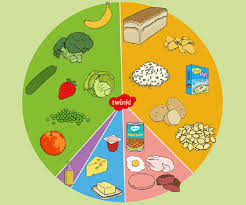
When you plan meals in advance, you can include all essential food groups: proteins, carbohydrates, healthy fats, and plenty of fruits and vegetables. This balance ensures that your body gets the nutrients it needs for energy, brain function, and immune support.
Supports Weight Management
Meal planning helps regulate caloric intake by controlling portion sizes. You are less likely to overeat when meals are pre-portioned, which is a key factor in maintaining a healthy weight.
Saves Time and Money
By creating a grocery list based on your meal plan, you can reduce unnecessary purchases and minimize last-minute trips to the store. This not only saves money but also makes meal prep more efficient.
Tips for Simple Meal Planning
Creating a meal plan doesn’t have to be complicated. Here are practical steps for sustainable healthy eating:
Start With a Weekly Template
Outline a basic structure for breakfast, lunch, dinner, and snacks for the week. This acts as a flexible guide rather than a strict schedule, allowing for adjustments as needed.
Focus on Whole Foods
Prioritize fruits, vegetables, lean proteins, whole grains, and healthy fats. These nutrient-dense foods provide energy and reduce the risk of chronic diseases.
Batch Cooking
Preparing ingredients or meals in bulk can save time and reduce cooking stress during the week. Examples include cooking grains, roasting vegetables, or preparing protein portions in advance.
Rotate Recipes
To prevent boredom, keep a rotation of favorite meals. Incorporating seasonal produce also adds variety and keeps meals interesting.
Mindful Shopping
Plan your grocery list according to your meal plan. Stick to the list to avoid impulse purchases of processed or unhealthy foods.
Meal Planning and Portion Control
One of the most significant advantages of meal planning is managing portion sizes. Overeating even healthy foods can contribute to weight gain and digestive discomfort. Using containers or pre-measured servings can help maintain the right balance of carbohydrates, proteins, and fats. Additionally, practicing mindful eating—paying attention to hunger cues and eating slowly enhances digestion and satisfaction.
Quick and Healthy Meal Ideas
Here are some simple ideas to incorporate into your meal planning:
Breakfast
- Overnight oats with chia seeds, almond milk, and fresh berries.
- Greek yogurt parfait with granola and honey.
- Whole-grain toast with avocado and poached eggs.
Lunch
- Quinoa salad with roasted vegetables and chickpeas.
- Turkey and vegetable wrap with hummus.
- Lentil soup with a side of mixed greens.
Dinner
- Grilled salmon with steamed broccoli and brown rice.
- Stir-fried tofu with bell peppers, carrots, and snap peas.
- Chicken and vegetable sheet-pan dinner with olive oil and herbs.
Snacks
- Nuts and seeds mix.
- Fresh fruit or vegetable sticks with hummus.
- Cottage cheese with pineapple chunks.
Overcoming Common Meal Planning Challenges
While meal planning is beneficial, many people encounter obstacles. Here’s how to overcome them:
Lack of Time
Even if your schedule is busy, dedicating 30–60 minutes once a week to plan meals can save hours later. Using batch cooking or slow-cooker recipes can further ease time constraints.
Picky Eaters
Include a mix of family favorites and new recipes. Gradually introducing healthier ingredients into familiar meals can help everyone adapt.
Budget Constraints
Focus on cost-effective ingredients like beans, lentils, rice, frozen vegetables, and seasonal produce. Buying in bulk and freezing portions can also stretch your budget.
Staying Motivated
Tracking progress, sharing meals with family, or using meal planning apps can increase accountability and make planning more enjoyable.
The Role of Meal Planning in Promoting Health and Wellness
Meal planning is more than a dietary strategy, it is an investment in your Health and wellness. Consistently consuming nutrient-rich meals strengthens your immune system, improves mental clarity, and promotes long-term vitality. Furthermore, a structured meal plan supports better sleep patterns, energy levels, and emotional well-being. When food is prepared mindfully, it fosters a positive relationship with eating, reducing stress and anxiety associated with mealtime decisions.
Sustainable Meal Planning Practices
Sustainability is a key consideration for long-term healthy eating. Here’s how to incorporate eco-friendly habits into your meal planning:
Choose Local and Seasonal Produce
Local fruits and vegetables are fresher, often more affordable, and have a smaller environmental footprint due to reduced transportation.
Reduce Food Waste
Plan meals based on ingredients you already have and store leftovers properly. Creative use of leftovers in soups, stir-fries, or salads can minimize waste.
Mindful Protein Choices
Opt for plant-based proteins such as beans, lentils, and tofu alongside lean animal proteins. This helps reduce environmental impact while providing essential nutrients.
Minimize Processed Foods
Highly processed foods often contain additives, excess sugar, and unhealthy fats. Planning meals around whole foods enhances nutrition and sustainability.
Tools and Resources for Meal Planning
Several tools can simplify the process of meal planning:
- Meal Planning Apps: Apps like Mealime, Yummly, and Paprika help organize recipes, generate grocery lists, and track nutritional content.
- Cookbooks: Focused on healthy eating or specific dietary needs, cookbooks provide inspiration and structured recipes.
- Online Communities: Social media groups and forums offer ideas, tips, and motivation for maintaining consistent meal planning.
- Prep Containers: Invest in reusable containers for batch cooking and portion control.
Long Term Benefits of Consistent Meal Planning
Consistently planning meals has far-reaching benefits for your health and lifestyle:
- Chronic Disease Prevention: Balanced nutrition lowers the risk of heart disease, diabetes, and obesity.
- Improved Mental Health: Regular, nutritious meals stabilize blood sugar levels, improving mood and cognitive function.
- Enhanced Energy and Productivity: Proper nutrition fuels your body and brain, supporting overall performance.
- Better Family Nutrition: Planning family meals encourages healthy eating habits for children and reduces reliance on fast food.
Final Thoughts on Simple Meal Planning
Sustainable meal planning does not require complicated diets or gourmet cooking. By focusing on whole foods, variety, and mindful preparation, you can significantly improve your nutrition and overall well-being. Remember, Meal Planning Is Important For Healthy Eating, and small, consistent steps toward planning can lead to lasting results. With thoughtful organization, preparation, and commitment, you can enjoy delicious meals that support your body, mind, and lifestyle while contributing to your long-term Health and wellness.
This structured approach makes meal planning manageable, practical, and enjoyable. Whether you are cooking for one or feeding a family, adopting these strategies ensures that your nutrition is intentional, varied, and balanced. Start small, experiment with different recipes, and adjust plans based on what works best for you. Over time, meal planning becomes not just a habit, but a foundation for a healthier, happier life.





