Suppose you’ve ever watched a calm Montessori classroom or walked into a workplace where people genuinely listen to each other. In that case, it’s easy to forget how much intention sits behind that kind of environment. None of it happens by accident. It comes from adults who know how to guide without overpowering, redirect without shaming, and lead without barking orders. That’s the heart of Montessori classroom management, and it’s also the foundation of respectful work environment training.
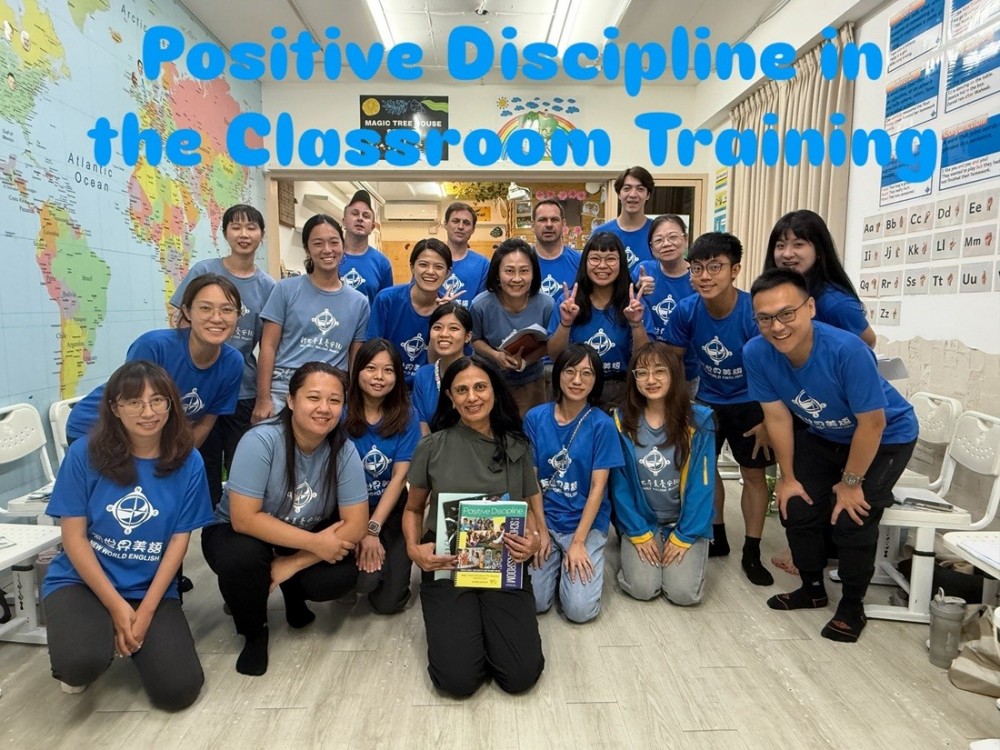
Yogi Patel has spent years teaching both educators and leaders how to build spaces like these. She has a way of breaking things down that feels honest and doable. No complicated theories, no fluffy pep talks. Just practical guidance and a calm confidence that rubs off on the people she trains.
What Makes Montessori Classroom Management Different
In a Montessori environment, adults don’t hover over children waiting to correct them. The setup of the room does half the work. Materials are organized to invite independence. Children know what goes where, how to use things, and what the expectations are long before a teacher ever needs to step in.

Yogi Patel teaches educators to look at behavior through a softer lens. If a child is wandering the room or poking at someone else’s work, she doesn’t jump to “the child is misbehaving.” She looks at what the room is telling the child. Is the activity too advanced? Is the space too crowded? Is the child unsure what to do next? Montessori management asks adults to pause and observe rather than react on autopilot.
One thing Patel repeats often is that connection comes before correction. A simple moment of eye contact, a gentle touch on the shoulder, or a calm reminder can completely shift a child’s behavior. Kids follow an adult’s lead when they feel respected and noticed. It sounds small, but it changes the entire classroom.
Bringing the Same Respect Into Workplaces
What’s interesting is how Patel carries these ideas into her work with teams and managers. You might think guiding a group of adults would be nothing like guiding a classroom of children, but the overlap is surprisingly real. People shut down when they feel talked down to. They get defensive when they feel misunderstood. They do their best work when they feel trusted.
Her respectful work environment training focuses on everyday habits that shape a team without anyone realizing it, how a leader speaks during a stressful moment, and how conflicts get handled. Whether people feel safe asking questions. None of this is dramatic or flashy, but it determines whether a workplace feels steady or tense.
Patel teaches leaders to slow down before reacting, just like she tells teachers. She encourages them to communicate clearly, set boundaries with kindness, and make space for people to express concerns without being brushed off. Respect isn’t a corporate slogan in her sessions. It’s a behavior you build through consistency.

The Bigger Picture
What makes her approach stand out is how human it is. There’s no pretending that classrooms or workplaces are perfect. People get overwhelmed, kids have rough days, and adults miscommunicate all the time. Instead of ignoring those realities, Patel helps people work with them.
Montessori classroom management teaches children how to move through their world with independence and dignity. Respectful work environment training teaches adults to treat each other with the same dignity. Both, at their core, are about believing people do better when they feel seen.
And honestly, that’s what everyone wants: kids, teachers, employees, leaders. A space where they can breathe, grow, and belong.