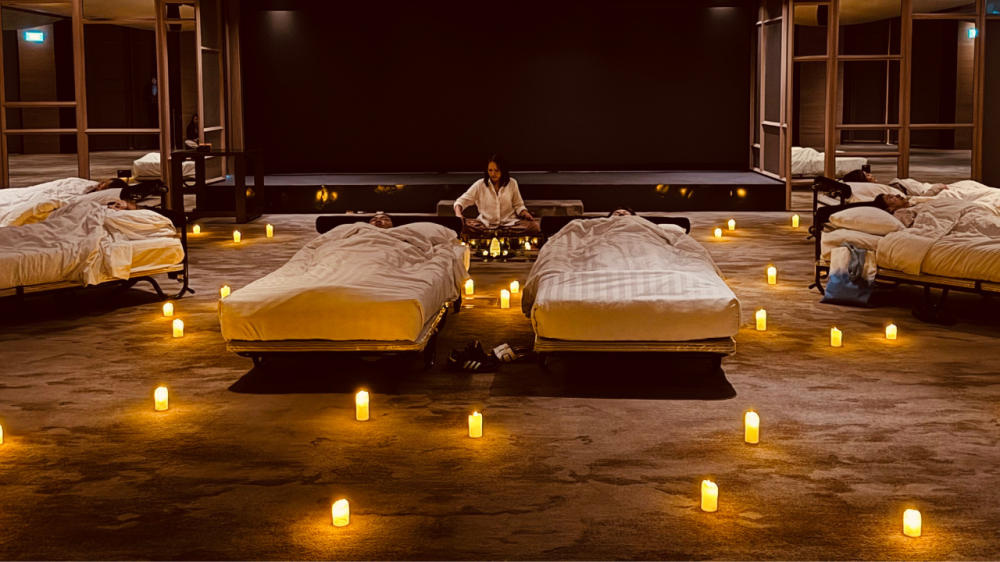
Employee wellness is no longer a side topic for companies in Singapore. As we move closer to 2026, it has become a core business priority. Long working hours, high cost of living and constant digital pressure are affecting how people feel at work. Companies that ignore employee wellbeing risk lower productivity, higher turnover and weaker team morale.
This article explains what corporate leaders, HR teams and founders in Singapore need to understand about employee wellness programs in 2026. It focuses on real needs, local data, and practical approaches that work for the Singapore workforce.
Why Employee Wellness Matters More Than Ever in Singapore
Singapore is known for efficiency, speed and performance. But this culture comes with pressure. According to the Ministry of Manpower and the Institute of Mental Health, work-related stress is one of the top reasons for poor mental health among working adults in Singapore. A 2023 IMH study found that nearly 1 in 3 working adults reported feeling stressed most days of the week.

At the same time, the World Health Organization has confirmed that anxiety and depression cost the global economy about USD 1 trillion each year in lost productivity. Singapore companies are not immune to this impact.
Employee wellness programs help companies address these issues before they turn into burnout, absenteeism or resignations.
What Employee Wellness Programs Really Mean in 2026
In the past, wellness programs often meant gym discounts or yearly health talks. In 2026, this approach will not be enough.
Modern employee wellness focuses on the whole person. This includes mental, emotional, physical and even social wellbeing. Employees want support that fits into real life, not just formal policies.
In Singapore, this shift is especially important because many employees manage long commutes, family duties and high performance expectations at the same time.

Well-designed corporate wellness programs Singapore companies adopt today focus on prevention, daily habits and human connection, not just fixing problems after they appear.
Key Wellness Challenges Faced by Singapore Employees
To build effective programs, companies must understand the real challenges their people face.
One major issue is mental fatigue. A 2024 survey by Deloitte Southeast Asia reported that over 60 percent of Singapore employees felt mentally exhausted by constant digital communication and work notifications.
Another challenge is emotional isolation. Hybrid and remote work have reduced daily human interaction. While flexibility is valued, many employees report feeling disconnected from their teams.
Physical inactivity is also a growing concern. According to Health Promotion Board Singapore, more than 40 percent of working adults do not meet recommended activity levels due to desk-based jobs.
These challenges show why workplace wellness programs Singapore must go beyond surface-level solutions.
What Singapore Companies Should Expect From Wellness Programs in 2026
By 2026, employee wellness will be measured by outcomes, not intentions. Companies will be expected to show real impact.
First, programs must support mental wellbeing. This includes stress management, emotional regulation, and tools to prevent burnout. Mindfulness workshops, breath work, and guided relaxation sessions are becoming common in Singapore workplaces.
Second, wellness initiatives must improve employee engagement. When people feel supported, they are more motivated and loyal. Gallup research consistently shows that engaged employees perform better and stay longer.
Third, wellness programs will play a role in employer branding. Younger professionals in Singapore actively look for companies that care about wellbeing. A strong wellness culture helps attract and retain talent.
The Role of Holistic Wellness in the Workplace
Holistic wellness is gaining strong attention in Singapore. This approach looks at mind and body together, instead of treating health issues separately.
Holistic employee wellness singapore programs may include sound healing, nature-based activities, creative workshops, and guided self-reflection. These experiences help employees slow down and reconnect with themselves.
Research from Harvard Medical School shows that holistic stress reduction practices can lower cortisol levels and improve focus. When employees feel calmer, they make better decisions and communicate more clearly.
Companies that adopt holistic corporate wellness often see benefits in teamwork and leadership effectiveness.
Why Custom Wellness Programs Work Better Than Generic Ones
No two companies in Singapore are the same. A tech startup, a financial firm, and a logistics company all face different pressures.
This is why customized wellness programs work better than one-size-fits-all solutions. Tailored programs consider company culture, team size, and specific stress factors.
For example, leadership teams may benefit from executive wellness retreats that focus on clarity and decision-making. Frontline teams may need stress relief workshops and emotional resilience training.
Many Singapore organizations now partner with wellness providers that offer flexible and experiential solutions, such as those found in corporate wellness programs singapore that combine mindfulness, nature and creative practices.
The Business Benefits of Employee Wellness Programs
Some leaders still ask if wellness programs are worth the investment. Data strongly suggests they are.
According to a 2024 report by PwC Singapore, companies with structured wellness programs reported up to 25 percent lower employee turnover. Reduced turnover saves recruitment and training costs.
The American Institute of Stress also reports that stress-related absenteeism costs businesses billions each year. In Singapore, even a small reduction in sick days can lead to significant productivity gains.
Wellness programs also improve workplace culture. When employees feel valued, trust increases. This leads to better collaboration and fewer conflicts.
How Wellness Programs Support Mental Health at Work
Mental health is one of the most important wellness topics in 2026. In Singapore, conversations around mental health are becoming more open, but stigma still exists.
Workplace mental health singapore initiatives help normalize these conversations. Simple actions like guided group sessions, safe sharing spaces, and education workshops make a big difference.
The National Council of Social Service Singapore emphasizes early intervention as a key factor in mental health support. Wellness programs provide this early support by helping employees manage stress before it turns into serious conditions.
What HR and Leaders Should Do Now
Companies should not wait until 2026 to act. The best time to invest in employee wellbeing is now.
Start by listening to employees. Surveys and open discussions help identify real needs. Next, choose wellness partners who understand the Singapore context and offer flexible solutions.
It is also important to measure impact. Track engagement, feedback, and participation levels. Over time, this data helps improve programs and justify investment.
Leadership involvement matters too. When leaders participate in wellness activities, it sends a strong message that wellbeing is valued.
The Future of Employee Wellness in Singapore
Looking ahead, employee wellness programs will become part of everyday work life rather than one-off initiatives. Short daily practices, regular workshops, and ongoing wellbeing support will replace single awareness talks and annual events.
Technology will continue to support wellness through apps, digital check-ins, and flexible learning tools. However, human connection will remain at the center of effective wellness programs. Employees in Singapore increasingly value experiences that feel personal, supportive, and meaningful.
As work pressures grow and expectations change, employee wellness programs are no longer optional for Singapore companies. By 2026, they will play a direct role in productivity, talent retention, and company reputation.
Organizations that invest in holistic wellbeing, mental health support, and customized wellness solutions will be better prepared for the future. The result is not just healthier employees, but stronger, more resilient businesses built for long-term success.