

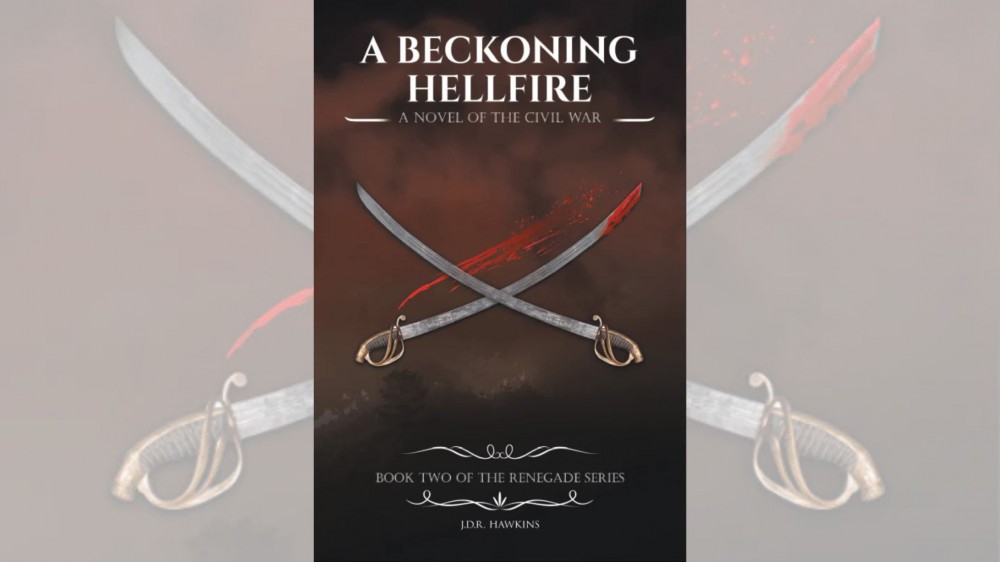
The Civil War changed America in ways still felt today. People often study the battles, generals, and big political moves. Yet the real story also lives in the daily struggles of ordinary families. That is why historical fiction books about the Civil War play such a powerful role. They bring the past to life with emotion, detail, and human experiences you rarely get from textbooks.
These stories pull readers into kitchens, farms, camps, and small towns. They show how people survived fear, hunger, loss, and hope. Through characters who feel real, readers get a front-row seat to life during one of the toughest chapters in American history.

Fiction Helps Readers Understand Daily Routines
Textbooks often focus on timelines. Fiction fills in the gaps. Readers can see what everyday chores looked like. They discover how families cooked meals with limited supplies or how children handled school and chores while their parents were away.
These simple details make the era relatable. Instead of memorizing dates, readers picture morning routines, crowded markets, and candlelit nights. This small-scale view helps readers feel the rhythm of daily life during the conflict.
Characters Make the Past Personal

People connect with stories, not lists. That is why fictional characters matter so much. They turn history into something you can feel. Readers follow mothers waiting for letters, soldiers worrying about family back home, and towns struggling with shortages.
As readers grow attached to these characters, the emotional weight of the war becomes clearer. Hope, fear, pride, and heartbreak jump off the page. Because of that connection, the history becomes easier to understand and remember.
Authors Bring Forgotten Voices Forward
Historical fiction often highlights people who rarely appear in old documents. This includes women, enslaved individuals, children, and working-class families. Their stories help readers understand the Civil War from multiple angles.
Through these perspectives, readers see how power, race, gender, and economic struggle shaped daily life. Writers explore how people survived dangerous escapes, kept households running, or fought for freedom. Stories like these give a full picture of the era, not just the view from battlefields.
Fiction Shows the Social Tension of the Times
The Civil War shook every community. Neighbors disagreed. Families split apart. Towns changed overnight. Fiction shows these tensions up close. It reveals how relationships cracked under pressure and how people tried to keep the peace at home.
These moments feel real because they mirror the struggles people face today. Readers understand how fear or loyalty shaped decisions. Over time, they see how war reshaped society in ways far beyond the battlefield.
Realistic Settings Make History Tangible
Strong historical fiction includes detailed settings. Authors describe farms, camps, small cabins, and busy streets. Readers can imagine the sounds of distant cannon fire or the quiet fears around a family dinner table.
These scenes make history feel physical. They help readers picture cold nights, long marches, shortages of food, and crowded hospitals. Details like these deepen understanding and spark curiosity to learn more.
Fiction Encourages Empathy and Reflection
Good stories stick with people. They make readers think about courage, loss, sacrifice, and survival. They also highlight the cost of conflict in a human way.
As readers move through multiple characters’ perspectives, they gain empathy for the many people affected by the war. This emotional response often leads to a deeper interest in learning the truth behind the fiction. In turn, readers build a stronger, more thoughtful understanding of the era.
These Books Bridge the Gap Between Facts and Feelings
While historical records give facts, fiction supplies emotion. Both matter. Readers need solid information, but they also need stories that show what life felt like. Because of this balance, historical fiction books about the Civil War remain a top resource for curious readers.
Many authors weave research into their plots with great care. They use letters, diaries, and firsthand accounts. As a result, readers experience a rich blend of truth and storytelling that reflects the world of the time.
Final Thought
History becomes real when you can picture the people living through it. Historical fiction books about the Civil War help readers step into the shoes of ordinary citizens who faced danger, hope, loss, and change. By blending fact with feeling, these stories make the era easier to understand and harder to forget. They turn history from something you study into something you experience, and that connection lasts long after the final page.





