

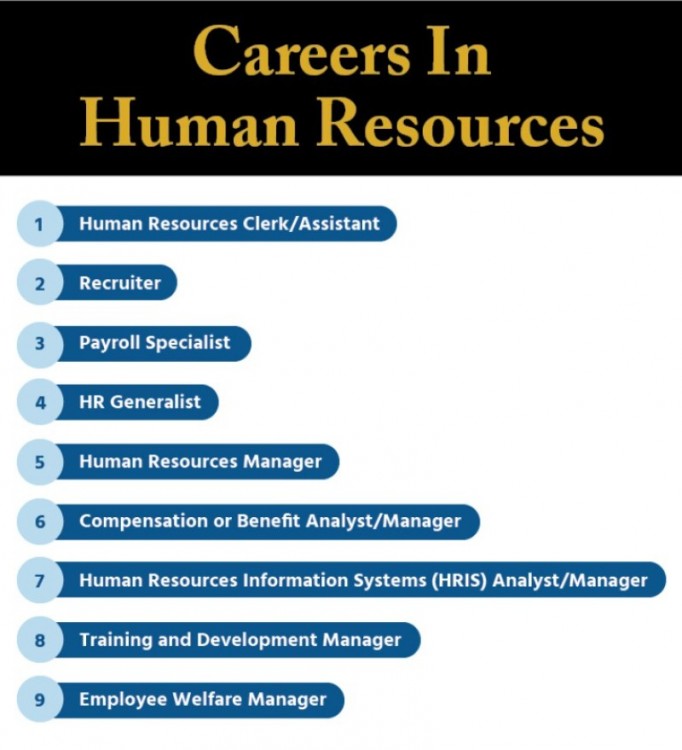
Human resources law jobs sit at the crossroads of employment law, workplace policy, and people management. While many legal careers focus on courts or transactions, HR law roles influence everyday working life. These professionals protect employee rights while helping organisations operate fairly and legally.
As workplaces grow more diverse and regulated, demand for HR law expertise continues to rise. Employers need specialists who understand employment legislation, workplace disputes, and compliance obligations. Consequently, human resources law jobs now offer some of the most stable and impactful careers in the legal sector.
This guide explores what human resources law jobs involve, the skills they require, and why they attract legal professionals who want meaningful, people-focused work.

What Are Human Resources Law Jobs?
Human resources law jobs focus on the legal aspects of employment and workplace management. Professionals in these roles advise on employee relations, contracts, policies, and compliance. Unlike general legal roles, HR law positions deal directly with people issues on a daily basis.
These jobs exist within law firms, in-house HR departments, public bodies, and consultancy firms. Although titles vary, responsibilities usually involve advising employers or employees on employment law matters.
Because employment law affects every organisation, HR law professionals play a central role in shaping workplace culture and fairness.
Why Human Resources Law Jobs Matter Today
Modern workplaces face constant legal and social change. As a result, HR law roles have never mattered more.
Increasing Employment Regulation
Governments regularly update employment laws. Therefore, organisations need expert guidance to remain compliant.

Focus on Workplace Equality and Inclusion
Employers must address discrimination, harassment, and equal pay issues proactively.
Rise in Workplace Disputes
HR law professionals help resolve conflicts before they escalate.
Changing Ways of Working
Remote work, flexible contracts, and gig arrangements create new legal challenges.
Core Responsibilities in Human Resources Law Jobs
Human resources law jobs involve a wide range of responsibilities. Although daily tasks vary, most roles include the following duties.
Advising on Employment Law Compliance
You guide employers on legislation such as unfair dismissal, redundancy, and working time rules.
Drafting and Reviewing Employment Contracts
You create contracts, policies, and handbooks that meet legal standards.
Managing Employee Relations Issues
You advise on grievances, disciplinary actions, and performance management.
Supporting Workplace Investigations
You assist with investigations into misconduct or complaints.
Handling Employment Disputes
You support negotiation, mediation, or tribunal preparation.
Training and Policy Development
You help HR teams understand legal responsibilities through training and guidance.
Types of Human Resources Law Jobs
Human resources law jobs appear across several professional settings.
Employment Solicitor Roles
Law firms employ employment solicitors to advise clients on HR and employment matters.
In-House HR Legal Adviser
Large organisations hire legal specialists within HR teams to provide ongoing advice.
HR Compliance and Policy Roles
Some professionals focus on internal policy development and legal compliance.
Public Sector Employment Law Jobs
Government bodies and public institutions employ HR law specialists to manage workforce issues.
Consultancy and Advisory Roles
Consultants support multiple organisations with HR law expertise.
Who Can Work in Human Resources Law Jobs?
Human resources law jobs attract professionals from both legal and HR backgrounds.
Qualified Employment Lawyers
Solicitors and barristers often specialise in HR and employment law.
In-House Legal Professionals
Legal advisers transition into HR-focused roles over time.
HR Professionals with Legal Expertise
HR managers with employment law training move into specialist positions.
Law Graduates and Trainees
Graduates gain experience through HR law teams and advisory roles.
Skills Needed for Human Resources Law Jobs
Success in HR law requires technical knowledge and strong interpersonal skills.
Employment Law Expertise
You must understand legislation, case law, and best practice.
Communication Skills
You explain legal concepts clearly to non-legal audiences.
Conflict Resolution Ability
You help resolve sensitive workplace issues calmly and fairly.
Emotional Intelligence
You handle personal and emotional matters with professionalism.
Attention to Detail
You ensure policies and advice remain accurate and compliant.
Career Progression in Human Resources Law Jobs
HR law roles offer clear development pathways.
Senior Employment Lawyer or Adviser
Experienced professionals handle complex cases and strategic advice.
Head of HR Legal or Employment Law
Senior roles involve leadership, policy oversight, and risk management.
HR Director with Legal Focus
Some professionals move into senior HR leadership roles.
Independent Consultant or Partner
Specialists build advisory practices or consultancy businesses.
Salary Expectations
Human resources law jobs offer competitive salaries, particularly for experienced professionals. Pay varies by sector, location, and seniority.
In-house roles provide stable income and benefits, while law firm positions offer higher earning potential. Public sector roles deliver security and pensions alongside meaningful work.
Work Environment and Work-Life Balance
Many HR law professionals enjoy predictable working hours compared to other legal roles. Although busy periods occur during disputes or organisational change, workloads often remain manageable.
Moreover, in-house HR law roles frequently support flexible working arrangements. As a result, these careers appeal to professionals seeking balance without sacrificing impact.
Advantages of Human Resources Law Jobs
HR law careers offer several strong advantages.
People-Focused Legal Work
You directly influence employee wellbeing and fairness.
Long-Term Career Stability
Employment law remains relevant across all industries.
Diverse Daily Work
You handle varied issues rather than repetitive tasks.
Strong Professional Demand
Employers consistently seek HR law expertise.
Challenges to Consider
Human resources law jobs also present challenges.
Emotional Situations
Workplace disputes can involve sensitive personal issues.
Balancing Legal and Commercial Interests
You must protect legal compliance while supporting business needs.
Constant Legal Updates
Employment law evolves frequently, requiring continuous learning.
However, professionals who value meaningful impact often find these challenges worthwhile.
Who Should Consider Human Resources Law Jobs?
Human resources law jobs suit professionals who:
-
Enjoy working with people
-
Communicate clearly and empathetically
-
Prefer advisory and strategic roles
-
Value fairness and ethical workplaces
-
Seek long-term career relevance
Employment solicitors, HR specialists, and in-house advisers often thrive in these roles.
Final thought:
Human resources law jobs combine legal expertise with real-world impact. By guiding employers and protecting employees, HR law professionals shape fair, compliant, and productive workplaces. As employment law continues to evolve, demand for skilled HR law specialists will only increase.
For legal professionals who want people-focused work, strategic influence, and long-term stability, human resources law jobs offer a rewarding and respected career path.





