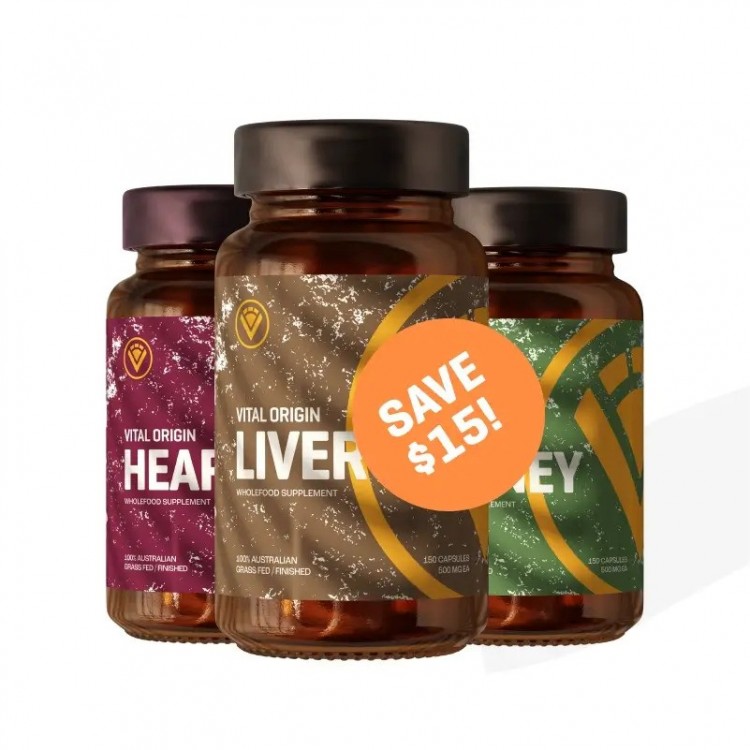
From the moment we wake up to the time we sleep, our organs work tirelessly to keep us alive and well. But have you ever stopped to consider how vital nutrients are in supporting this unceasing effort? Every organ, from the brain to the liver, relies on specific nutrients to function optimally. Understanding where these key nutrients interact with organ systems can help us make better dietary choices and even guide targeted supplementation to support wellbeing.
For Australians looking to maintain vitality and resilience in the face of modern-day stressors, getting the right balance of nutrients is not just good advice—it’s essential. While a balanced diet should always be the foundation, many are turning to organ health supplements to fill in the nutritional gaps that can compromise organ performance over time.
Key Points
- Each organ system has specific nutrient needs for optimal performance.
- Deficiencies in key nutrients can lead to organ dysfunction or increased disease risk.
- Nutrient absorption and bioavailability play a major role in organ health.
- Nutrition strategies can be tailored to support specific organs such as the brain, heart, liver, kidneys, and gut.
- Supplements may be beneficial in targeted organ support, especially when dietary intake is insufficient.
The Brain: Fueling Cognitive Function
Essential Nutrients
The brain is arguably the most nutrient-demanding organ in the body. Despite its small size, it consumes about 20% of our daily energy. Here's what it needs to function optimally:

- Omega-3 Fatty Acids: Crucial for maintaining neuronal cell membrane integrity and signalling. DHA, a type of omega-3, is particularly important for brain development and memory retention.
- B Vitamins (especially B6, B9, B12): These help in the synthesis of neurotransmitters like serotonin and dopamine, and reduce homocysteine levels that can be damaging to brain tissue.
- Magnesium: Supports neurotransmission and protects against neurodegeneration.
- Antioxidants (e.g., Vitamin E, C, and flavonoids): Fight oxidative stress, a major contributor to cognitive decline.
Nutritional Tips
Incorporate oily fish like salmon, leafy greens, eggs, and whole grains into your diet. Those with dietary restrictions may consider supplements formulated for cognitive performance, especially those containing high-potency omega-3s and B-complex vitamins.
The Heart: Nutritional Armour for Cardiovascular Health
Essential Nutrients
- Coenzyme Q10 (CoQ10): A critical antioxidant that helps produce energy within cardiac cells and supports heart muscle function.
- Potassium and Magnesium: Help maintain normal blood pressure and regulate heart rhythm.
- Fibre: Soluble fibre helps lower LDL ("bad") cholesterol levels, reducing atherosclerosis risk.
- Vitamin K2: Plays a role in directing calcium to the bones and preventing its buildup in the arteries.
Nutritional Tips
Load your diet with bananas, avocados, nuts, seeds, whole grains, and leafy greens. If you're over 40 or have a family history of heart issues, talk to a healthcare provider about potential benefits of targeted supplementation with CoQ10 and magnesium.
The Liver: Detoxification and Nutritional Demands
Essential Nutrients
- Glutathione: Often called the "master antioxidant", glutathione supports detoxification pathways in the liver.
- Choline: A nutrient similar to B vitamins that helps prevent fatty liver disease and supports bile production.
- Selenium and Zinc: Both minerals aid in detox enzyme function and help protect liver cells from damage.
- Milk Thistle (Silymarin): Though not a nutrient per se, its active compounds support liver regeneration and function.
Nutritional Tips
Eggs, chicken, legumes, and Brazil nuts are great sources. If detoxification support is needed due to alcohol use, medications, or high exposure to toxins, liver-targeted organ health supplements may help optimise function.
The Kidneys: Balancing Fluids and Minerals
Essential Nutrients
- Vitamin D: Regulates calcium and phosphate balance, indirectly influencing kidney health.
- Magnesium: Prevents the formation of kidney stones and supports electrolyte balance.
- Omega-3s: Help reduce inflammation in kidney tissues, particularly in chronic kidney disease (CKD).
- Antioxidants: Reduce oxidative damage, which can impair kidney filtering abilities over time.
Nutritional Tips
Maintain hydration with water and consume a diet rich in low-oxalate vegetables, oily fish, and low-fat dairy. People with compromised kidney function should consult with a dietitian before starting new supplements to avoid excessive intake of potassium or phosphorus.
The Gut: Nutrients at the Gateway
Essential Nutrients
- Fibre (Soluble and Insoluble): Promotes bowel regularity and supports a healthy microbiome.
- Probiotics and Prebiotics: Encourage the growth of beneficial bacteria, which can influence everything from mood to immunity.
- Vitamin A and Zinc: Enhance the gut barrier and support immune responses within the gut-associated lymphoid tissue (GALT).
- L-glutamine: An amino acid that helps repair the gut lining and maintain integrity.
Nutritional Tips
Include a variety of fermented foods like yoghurt, kefir, and sauerkraut. Whole plant foods rich in fibre and resistant starches are key. If digestion issues persist, gut-specific organ health supplements might provide additional support in restoring balance.

Tailoring Nutrition for Organ Synergy
While it's vital to understand nutrient-organ relationships individually, the body functions as a complex, interconnected system. Nutrient deficiencies in one area can indirectly affect others. For instance, poor gut health can impair nutrient absorption, ultimately impacting brain or cardiovascular health.
Therefore, a holistic approach to nutrition—one that supports multiple organ systems simultaneously—is perhaps the most sustainable and effective strategy for optimal wellbeing. This includes regular medical check-ups, personalised nutritional assessments, and, if needed, the judicious use of supplements.
Factors That Influence Nutrient Impact
1. Bioavailability
Not all nutrients are absorbed equally. For example, non-heme iron from plant sources has lower absorption rates than heme iron from meat. Vitamin C can enhance iron absorption, whereas high calcium intake can inhibit it. Understanding these interactions can lead to better nutrient uptake.
2. Age and Life Stage
Nutritional needs change as we age. Older adults may require more Vitamin D and B12 due to decreased absorption, while children need higher amounts of vitamins for growth and development.
3. Lifestyle and Environmental Factors
Stress, alcohol use, smoking, and even excessive exercise can increase the body’s demand for certain nutrients. Similarly, people in high-pollution areas may benefit from increased antioxidant intake.
4. Medical Conditions and Medications
Chronic illnesses like diabetes or hypertension can alter nutrient metabolism. Some medications can deplete essential nutrients (e.g., statins depleting CoQ10), making targeted replenishment crucial.
Frequently Asked Questions (FAQ)
1. Can I get all the nutrients I need from food alone?
In an ideal world, yes. However, due to soil depletion, food processing, and modern lifestyles, even well-balanced diets may fall short on key nutrients. Supplements can provide a safety net, especially for nutrients like Vitamin D, magnesium, and omega-3 fatty acids.
2. How do I know which organ-specific nutrients I need?
Nutrient needs vary by individual. A blood test and consultation with a healthcare provider or dietitian can help identify deficiencies. From there, dietary adjustments or targeted organ support may be recommended.
3. Is it safe to take multiple supplements at once?
Generally, yes, but it’s essential to avoid excessive intake of fat-soluble vitamins (like A, D, E, K) and certain minerals. Always read labels and consult health professionals to prevent adverse interactions.
4. Are "organ health supplements" regulated in Australia?
Yes, the Therapeutic Goods Administration (TGA) oversees the safety and quality of supplements sold in Australia. Look for products that are TGA-listed and carry an AUST L or AUST R number for reassurance.
5. What’s the best time to take nutrients for maximum absorption?
Some nutrients are better absorbed with food (e.g., fat-soluble vitamins), while others may be best taken on an empty stomach. Follow label instructions or consult a dietitian for personalised advice.
Final Thoughts
The relationship between nutrients and organ performance is profoundly intricate. Understanding which nutrients support which organs allows us to fine-tune our diets and supplement strategies to meet our unique health needs. While the human body is remarkably resilient, giving it the right fuel ensures longevity, vitality, and a better quality of life.