
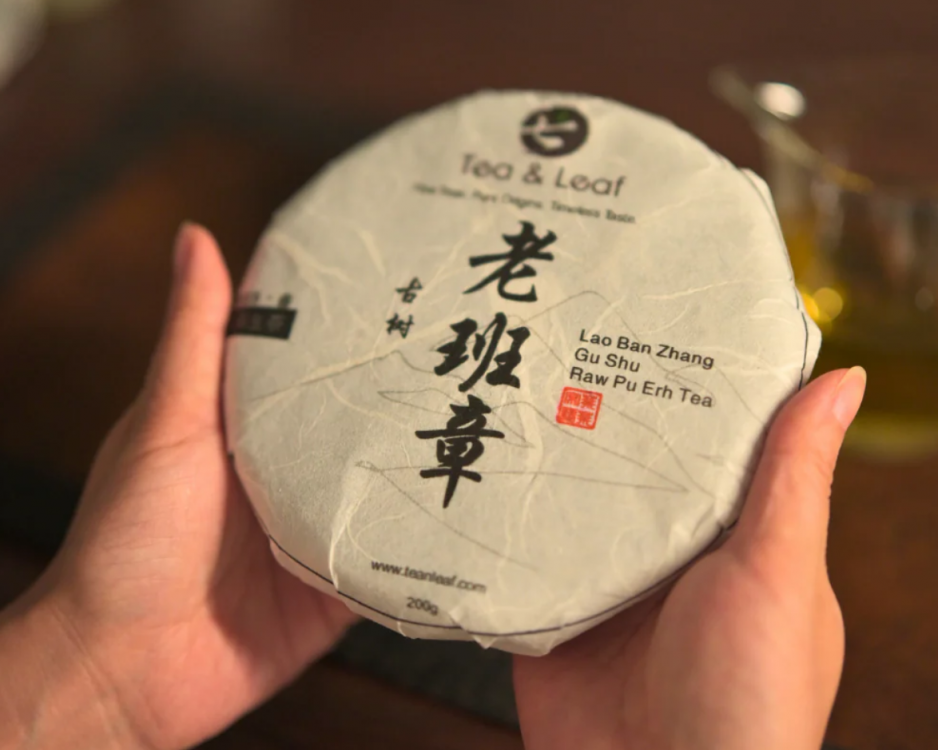
For many tea enthusiasts, the journey into the world of Chinese tea begins with a simple cup of green or black tea. But eventually, curiosity leads us toward the dark, mysterious, and deeply complex world of Pu Erh. It is a category of tea that feels more like a fine wine or a rare whiskey than a simple beverage. It ages, it evolves, and it carries stories of the ancient forests and mountains from which it came.
At Teanleaf, we believe that understanding your tea is the key to enjoying every sip. Whether you are a seasoned collector or a beginner looking to make your very first pu erh tea purchase, the learning curve can feel a bit steep. From the compressed shapes to the earthy aromas, there is a lot to take in. Let’s break down the essentials so you can navigate this fascinating landscape with confidence.
What Makes This Tea So Special?
Unlike most teas that are best consumed as fresh as possible, Pu Erh is prized for its ability to age. This is achieved through a unique fermentation process. There are two main types you will encounter during your search: Raw (Sheng) and Ripe (Shou).

Raw Pu Erh is allowed to age naturally over decades, starting out bright and astringent and mellowing into something sweet and floral. Ripe Pu Erh undergoes an accelerated fermentation process that mimics aging, resulting in a dark, thick liquor with notes of wood, chocolate, and earth. Understanding this distinction is the first step in a successful pu erh tea purchase because the flavor profiles are worlds apart.
The Art and Purpose of the Pu Erh Tea Cake
One of the most iconic images in the tea world is the circular, disc-like shape known as a bing cha. This pu erh tea cake is much more than just a traditional way of packaging. Historically, tea was compressed into these dense cakes to make it easier to transport by horse caravans along the Ancient Tea Horse Road.
Today, the pu erh tea cake serves a vital role in the aging process. The compression allows the leaves to ferment slowly and evenly. When the leaves are packed tightly together, the internal environment of the cake remains stable, protecting the tea from sudden changes in humidity or temperature while still allowing it to "breathe" just enough to evolve.
How to Handle Your Tea Cake
If you have just acquired a new pu erh tea cake, you might be wondering how to actually drink it. You don’t just drop the whole thing in a pot! You will need a tea needle or a dull knife to gently pry layers of leaves away from the edge of the cake. The goal is to keep the leaves as intact as possible. Broken leaves can lead to a more bitter brew, so a gentle hand is always rewarded with a smoother cup.
Tips for a Successful Pu Erh Tea Purchase
When you are browsing online or in a shop, the variety can be overwhelming. Prices can range from a few dollars to thousands for vintage specimens. So, how do you know what to buy?

First, consider the source. Look for information about the region, such as Menghai, Lincang, or Pu’er City. The terroir of these areas significantly impacts the flavor. Second, check the "pressing date." This tells you when the tea was shaped into its final form. For a ripe tea, a few years of age is usually enough to settle any "funkiness" from the fermentation process. For a raw tea, the age will tell you whether it will be punchy and green or smooth and dark.
At Teanleaf, we always recommend starting with smaller samples before committing to a full pu erh tea cake. This allows you to explore different flavor profiles without a huge investment.
Storing Your Collection at Home
Once you’ve made a pu erh tea purchase, the work isn't quite done. Because this tea is a living product, it needs proper storage to continue improving. Unlike your standard tea bags, you shouldn't keep these in an airtight tin.
The ideal environment for a pu erh tea cake is somewhere with stable humidity (around 60 to 70 percent) and plenty of airflow. Keep it away from strong odors like kitchen spices or perfumes, as the leaves will absorb those scents like a sponge. Many collectors keep their cakes in clay jars or dedicated wooden cabinets to create a microclimate where the tea can rest and mature gracefully.
Brewing the Perfect Cup
To truly appreciate the depth of this tea, we suggest using the Gongfu brewing method. This involves using a small teapot or a gaiwan and performing multiple short infusions.
The first "wash" or rinse is particularly important. You pour hot water over the leaves and discard it almost immediately. This "awakens" the leaves, especially if they have been compressed in a pu erh tea cake for many years. Subsequent steeps can last anywhere from 10 to 30 seconds. You will notice that the flavor changes with every pour—starting light, hitting a peak of intensity, and then fading into a sweet, lingering aftertaste.
Why We Love Sharing This Tradition
At Teanleaf, we view tea as a bridge between the past and the present. When you hold a pu erh tea cake in your hands, you are holding the result of craftsmanship that has remained largely unchanged for centuries. It is a slow hobby in a fast world.
Whether you are looking for a daily drinker to aid digestion or a special vintage to save for a milestone, the world of Pu Erh has something for everyone. It is a journey of discovery, one cup at a time.





