

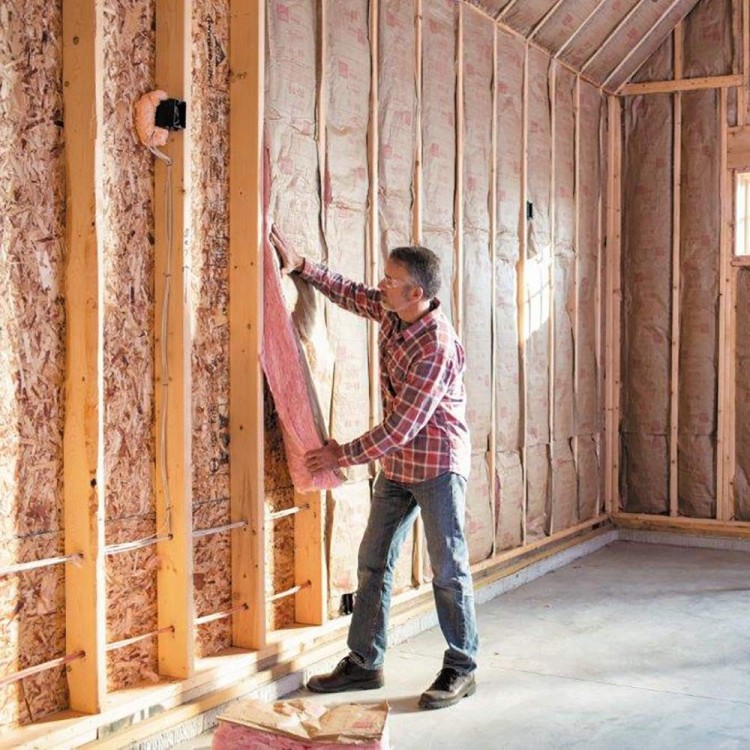
Qualified professionals utilize building science principles to treat the house as a complete system rather than a collection of separate parts. This holistic approach ensures that improvements in one area do not create problems in another, such as trapping moisture or reducing indoor air quality. By working with a professional insulation contractor property owners can address the root causes of energy loss and structural decay, helping secure their investment against the subtle, cumulative expenses that often go unnoticed until they become emergencies.
Identifying and Sealing Invisible Air Leaks
The most significant source of energy waste in a residential structure is often not a lack of insulation, but rather uncontrolled air leakage. Air moving through cracks, gaps, and holes carries heat away much faster than heat conducts through solid materials. Experts use specialized tools to locate these leaks, which are often invisible to the naked eye.
The Financial Impact of the Stack Effect
The stack effect is a phenomenon where warm air rises and escapes through the upper parts of a home, creating a vacuum that sucks cold, unconditioned air in through the lower levels. This constant airflow forces the HVAC system to continuously condition new air, leading to excessive energy consumption.

- Diagnostic Precision: Professionals use blower door tests to precisely measure air leakage rates, identifying leakage points that DIY efforts typically miss.
- Targeted Sealing: Instead of guessing, experts apply sealants and foams to specific bypasses around plumbing vents, chimneys, and electrical chases.
- Comfort Stabilization: Stopping the stack effect eliminates drafts, so residents no longer have to turn up the thermostat to compensate for cold feet.
Extending HVAC Equipment Lifespan
When a home leaks air, the heating and cooling system must run longer and cycle on and off more frequently to maintain the set temperature. This "short-cycling" places immense stress on blower motors, compressors, and heat exchangers.
Market data indicate that HVAC systems in well-sealed, well-insulated homes can last significantly longer than those in inefficient structures. By reducing the heating load, insulation experts effectively extend the service life of the most expensive mechanical system in the house.
Preventing Moisture-Related Structural Damage
In regions like the Pacific Northwest, controlling moisture is just as important as retaining heat. Water vapor that enters wall cavities or attics can condense on cold surfaces, leading to wood rot and fungal growth. Remediation for structural rot and mold is one of the most expensive unexpected costs a homeowner can face.
The Science of Vapor Management
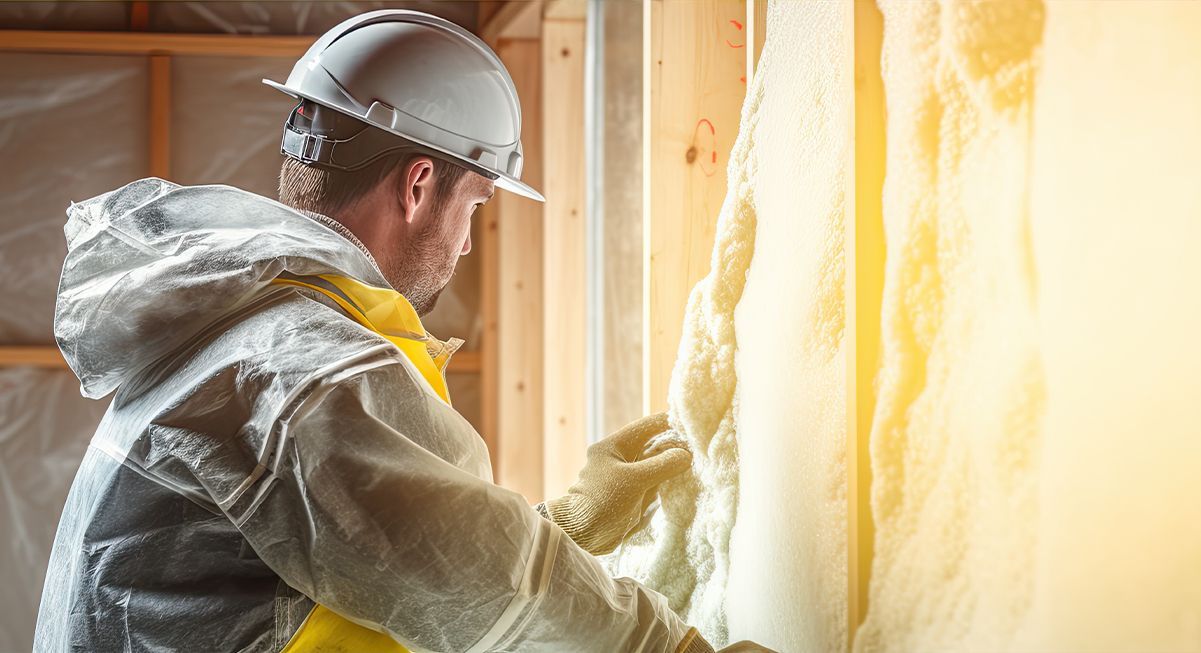
Insulation professionals understand how to place vapor retarders correctly to prevent condensation. Installing the wrong type of insulation or placing a vapor barrier on the wrong side of the wall can trap moisture inside the framing.
- Dew Point Control: Experts calculate where the dew point will fall within a wall assembly and select materials that prevent warm, moist air from reaching that temperature zone.
- Ventilation Balance: Increasing insulation without addressing ventilation can lead to stagnant, damp air. Professionals ensure that the roof deck and attic space maintain proper airflow to dry out incidental moisture.
Bonus Tip: Crawl Space Encapsulation
Treating the crawl space is often the most effective way to control indoor humidity. Experts recommend encapsulating the ground with a heavy vapor barrier and insulating the foundation walls. This prevents ground moisture from rising into the home, protecting floor joists and reducing the workload on dehumidifiers.

Mitigating Health and Pest Control Expenses
Hidden costs also include medical bills and pest control services. A building envelope that allows air and moisture to enter freely often brings allergens, pollutants, and pests along with it.
Reducing Medical Costs Related to Air Quality
Poor indoor air quality triggers asthma and allergies, leading to increased medical expenses and lost productivity. Insulation that acts as an air barrier filters out outdoor pollutants like wildfire smoke and pollen.
- Filtration Efficiency: A sealed home allows the mechanical ventilation system to filter incoming air effectively, creating a sanctuary for allergy sufferers.
- Mold Prevention: By keeping wall cavities dry, professional insulation prevents the growth of toxic mold spores that cause respiratory issues.
Deterring Rodents and Insects
Pests look for warm, accessible places to nest. Gaps in the building envelope serve as open doors for mice, rats, and insects. Once inside, they damage wiring and contaminate insulation.
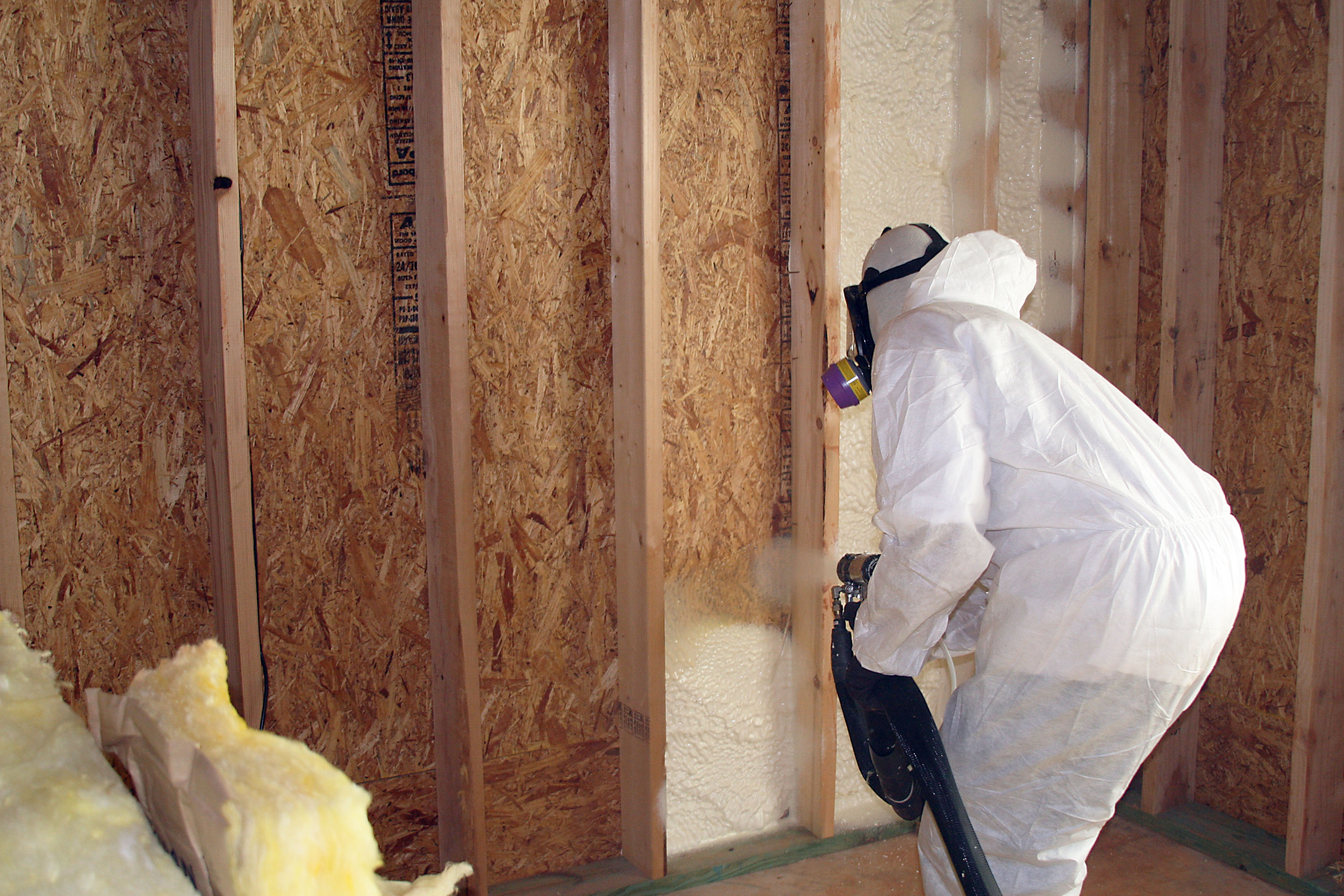
Experts use materials like spray foam or dense-pack cellulose that deter pests. These materials block entry points and offer no nutritional value or comfortable nesting space. Blocking these physical pathways reduces the recurring cost of exterminators and the repair costs associated with rodent damage.
Things to Consider Before Making a Decision
Homeowners often debate between a DIY approach and hiring a professional. While the upfront cost of a professional is higher, the analysis of long-term value reveals where the hidden savings lie.
Comparing DIY vs. Professional Installation
The following table outlines the differences in cost and value between doing it yourself and hiring an expert.
|
Factor |
DIY Insulation |
Professional Expert |
|---|---|---|
|
Material Cost |
Retail pricing (Higher) |
Wholesale pricing (Lower) |
|
Equipment Costs |
Rental fees required |
Included in service |
|
Air Sealing |
often overlooked or incomplete |
Comprehensive and tested |
|
Safety Risks |
High (falls, fibers, chemicals) |
Managed by professionals |
|
Warranty |
None on installation |
Labor and material warranties |
|
Long-Term Savings |
Moderate |
Maximum |
Questions People Ask About Insulation Costs
How much does professional air sealing save?
Professional air sealing typically saves homeowners between 15% and 30% on heating and cooling costs. The exact amount depends on the severity of the initial leakage and the local climate. Beyond the monthly savings, the reduction in draftiness improves comfort immediately.
Is removing old insulation always necessary?
Removal is not always required, but it is often recommended if the old material is damaged by water, pests, or smoke. Experts will also remove old insulation to expose air leaks for sealing. Leaving damaged insulation in place can hide structural issues and reduce the effectiveness of new layers.
Can insulation experts help with ice dams?
Yes, ice dams are caused by heat escaping into the attic and melting snow on the roof. By sealing air leaks and increasing attic insulation, experts keep the roof deck cold, preventing the melt-freeze cycle that creates destructive ice dams.
What is the payback period for professional insulation?
The payback period varies but typically falls between 3 to 7 years. This calculation usually includes only energy savings. When factoring in the extended life of HVAC equipment and the prevention of moisture damage, the return on investment occurs much faster.
Do experts handle rebate paperwork?
Most professional insulation contractors are familiar with local utility rebates and tax credits. They often provide the necessary documentation or file the paperwork on behalf of the homeowner, ensuring that all available financial incentives are claimed.
Summary and Final Thoughts
Insulation experts provide value that extends well beyond the visible installation of fiberglass or foam. Their true contribution lies in the diagnostic approach that uncovers and resolves the hidden issues compromising a home's performance. By sealing air leaks, managing moisture dynamics, and reducing the strain on mechanical systems, these professionals protect the property from the slow, cumulative damage that leads to massive repair bills.
Property owners who view insulation as a comprehensive building upgrade rather than a simple commodity purchase stand to gain the most. The initial investment in professional expertise pays dividends through lower operational costs, improved health outcomes, and a durable structure that withstands the elements. In the long run, the cost of hiring an expert is often far less than the cost of fixing the problems they prevent.
Taking the Next Step
For homeowners ready to uncover the hidden savings within their property, scheduling a comprehensive building assessment is the correct first move. A qualified team can identify the specific inefficiencies that are draining the budget and propose targeted solutions.
All Foam & Insulation, LLC specializes in building science diagnostics and high-performance insulation strategies for the Southern Oregon region. They focus on delivering long-term value by addressing the root causes of energy loss and moisture damage. To discuss a home evaluation or request a consultation, contact them at (541) 826-9600 or email joe@allphasewx.com.
Reviewer: Lily Johnson offered her feedback after reviewing this post. With 8 years in the spray foam insulation field, her suggestions focused on improving outreach to homeowners seeking high-quality insulation solutions.





