
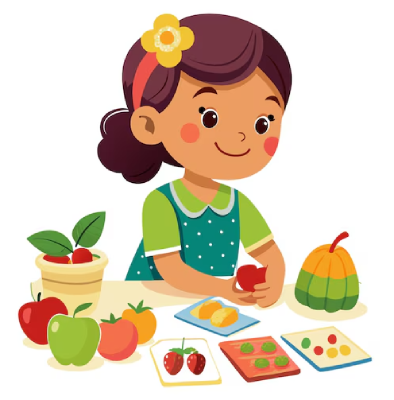
Food time often turns into stress for families. Kids see rules before they see food. Parents worry about habits, portions, and reactions. That tension shuts learning down fast. With fun food education for kids, meals feel safer and more playful. Kids stay curious, relaxed, and ready to learn through simple experiences.
Kids learn best through hands-on moments. Reading labels together or guessing textures builds interest. These moments turn meals into lessons without pressure. Curiosity replaces fear.
Why Creativity Works Better Than Food Rules?

Rules feel heavy, especially for kids. Creativity feels light and inviting. When learning feels fun, kids stay open instead of defensive. They remember experiences more than lectures. That memory sticks longer and shapes habits.
Creative learning helps kids focus on how food feels. Energy levels, focus, and mood become signals. Kids notice patterns without being told what to do. That awareness builds confidence and self-trust.
Turning Meals Into Simple Experiments
Meals can feel like small science projects. No worksheets needed. Kids can guess, test, and reflect in easy ways. That keeps learning active. Natural food experiments include.
- Guessing which foods keep them full longer.• Noticing energy changes after meals.

• Comparing textures and flavors.
These small steps build thinking skills. Kids stay engaged because they feel involved.
Learning Health Without Fear
Health talks often scare kids. Big warnings create stress and shutdown. Calm talks work better. Kids understand ideas when adults keep language simple and honest.
Some families worry about high blood pressure in children, but fear never builds strong habits. Kids respond better when adults explain how food, sleep, and movement affect daily energy. Feeling good matters more than labels.
Why Control Pushes Kids Away?
Control often leads to resistance. Kids want independence, especially as they grow. When adults control food choices, kids stop listening. Learning slows down.
Guidance works better than commands. Asking questions opens conversations. Offering choices builds confidence. Kids feel respected and heard.
Choice Builds Strong Decision Skills
Choice helps kids practice thinking. Small decisions teach big lessons. Kids learn cause and effect naturally. That skill supports long-term habits. Helpful choice moments include.
- Picking fruits for snacks.
• Choosing how food gets prepared.
• Deciding portion sizes.
These moments feel empowering. Kids start trusting themselves around food.
Movement Supports Learning Too
Food learning works best with movement. Activity helps kids connect food with energy. Play feels natural and stress-free. Good movement ideas include.
- Dancing to music.
• Playing outdoor games.
• Walking with family.
Movement should feel fun, not forced. Enjoyment keeps kids active longer.
Family Habits Shape Kid Habits
Kids watch everything adults do. Family habits speak louder than advice. When parents eat calmly and move often, kids follow. Helpful shared routines include.
- Eating meals together.
• Cooking simple foods as a team.
• Talking without screens.
These routines create safety. Kids feel supported, not judged.
A Program That Makes Learning Feel Normal
Programs that respect kids work better. Education should feel real and doable. It should fit families from all backgrounds.
A structured learning approach helps kids think about food without strict rules. It uses balance and fun to build awareness. Kids stay engaged because learning feels friendly.
Final Remarks
Helping kids learn about food does not need stress. Creativity opens doors that rules close. Kids grow confident through experience, not fear.
With fun food education for kids, families build habits that feel natural and lasting. This approach focuses on learning, balance, and confidence. It supports kids from every background. That foundation helps healthy habits grow well beyond childhood.





