

We have all seen it happen. A video looks simple on screen, maybe just two people talking or a quick brand story. But behind that smooth final cut? There is a lot going on. When we work in local video production, we know one thing for sure…great videos are not made by accident. They move through clear stages, and each one matters more than people think.
Let us break it down together, without the jargon, without the fluff.
Pre-Production: Where the Real Work Quietly Begins
This phase does not look exciting from the outside. No cameras. No lights. No action. And yet, pre-production is where most mistakes are either prevented or locked in.

This is where we plan everything. The goal, the audience, the message, the tone. We ask questions like Who is watching this? What do they need to feel? What should they remember tomorrow?
Scripts or outlines are created here. Shot lists too. Locations are picked. Schedules are made. According to studies from the Producers Guild, strong pre-production planning can reduce filming time by up to 30 percent. That saves money, stress, and last-minute chaos.
We also handle logistics here. Permits, talent coordination, equipment needs. It sounds boring, but skipping these steps often leads to rushed shoots and uneven results. Ugh, we have all been there at least once.
Good pre-production feels quiet. But it sets the tone for everything that follows.
Production: Where Ideas Finally Get Real
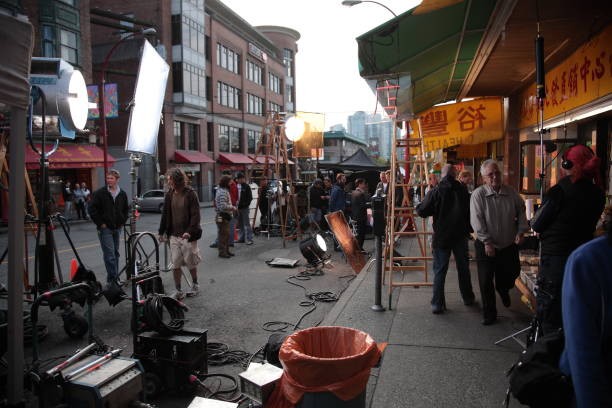
This is the phase everyone recognizes. Cameras roll. Lights turn on. People say “action.” It is exciting, yes, but also intense.

Production is where the plan meets reality. And reality does not always cooperate. Weather changes. A microphone crackles. Someone forgets a line. That is normal.
This phase includes filming video, recording sound, capturing interviews, and gathering extra footage called b-roll. A study by Wistia found that videos with supporting visuals hold viewer attention longer than talking-head videos alone. That is why b-roll matters so much.
This is also where experience shows. A professional crew knows how to adjust on the fly without losing the story. We tweak camera angles. We move lights. We pause and reset. Small decisions here make a big difference later.
Production is not about perfection. It is about capturing strong, usable moments that editors can shape later.
Post-Production: Where the Story Finds Its Shape
Now comes the phase many people underestimate. Editing is not just cutting clips. It is storytelling.
In post-production, footage is reviewed, selected, and arranged. Music is added. Color is adjusted. Sound is cleaned up. Graphics or text might appear. According to Adobe research, viewers are more likely to trust a brand when video visuals and audio feel polished and consistent.
This is also where pacing is fixed. A pause too long? Trim it. A message unclear? Rearrange the scene. This phase turns raw material into something watchable and engaging.
Sometimes this part takes longer than filming. And that surprises clients. But it makes sense. This is where clarity happens.
Why All Three Phases Matter Together
Here is the honest truth. You cannot rush one phase and expect the others to fix it. Weak planning shows up during filming. Poor filming limits editing options. Sloppy editing weakens even great footage.
When all three phases work together, videos feel natural. They flow. They connect. And that is exactly why experienced teams value the process, not just the camera.
For brands looking to work with reliable video production companies in michigan, understanding these phases helps set realistic expectations. It also helps you spot professionals who respect the craft, not just the final output.
Because a good video is not magic. It is process, patience, and a lot of thoughtful work behind the scenes.





