
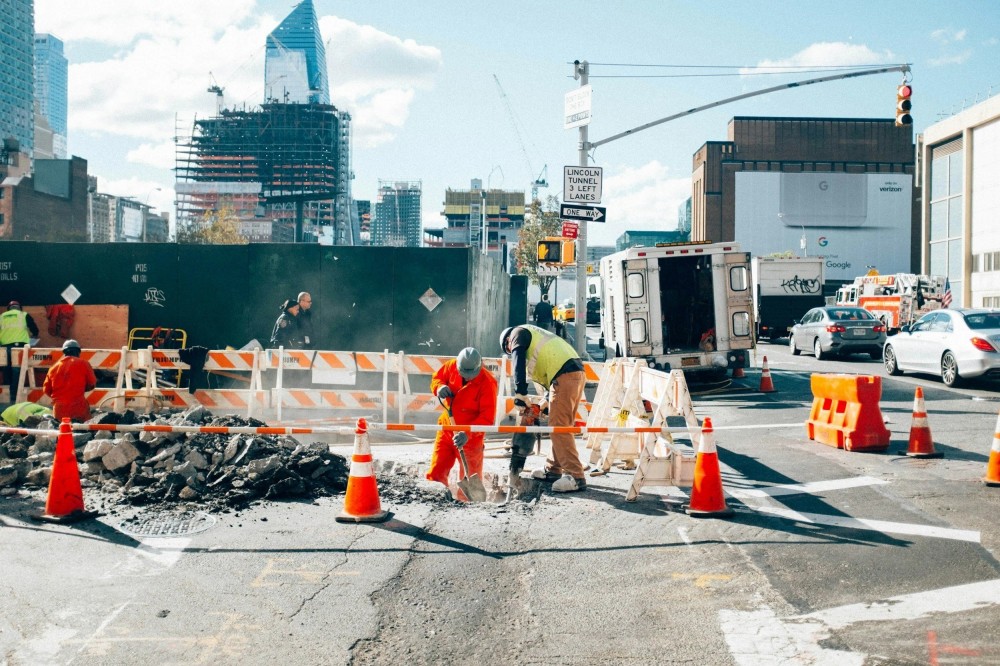
Worksites across Australia- whether construction zones, road upgrades, utility maintenance, or large-scale events. share one crucial responsibility: keeping people safe. When vehicles, machinery, and workers operate in the same environment, the risks can escalate quickly without a structured approach to traffic flow. That’s where Traffic Control Management Plans step in to transform potential chaos into well-coordinated movement.
A Traffic Control Management Plan is more than a formal document it’s your blueprint for managing on-site and passing traffic safely and compliantly. With regulations tightening nationwide, having a reliable plan isn’t just smart; it’s essential for meeting legal obligations and protecting your team and the public.
Why Traffic Control Matters at Every Worksite
Traffic-related risks are among the most common causes of incidents in work zones. From vehicle collisions to pedestrian hazards, improper traffic management can expose businesses to operational setbacks, penalties, and reputational harm. A well-prepared plan helps:

- Reduce confusion for drivers, workers, and site visitors
- Minimise delays and improve workflow efficiency
- Ensure compliance with state guidelines and safety standards
- Protect workers from exposure to unnecessary hazards
Whether you're working on a short-term road repair or a large infrastructure project, having a Traffic Control Management Plan ensures every movement is accounted for.
What a Traffic Control Management Plan Typically Includes
A strong plan should be detailed, practical, and tailored to the unique layout, risks, and requirements of your site. While specifics may vary depending on jurisdiction and project scale, an effective plan generally includes:
1. Site Assessment and Risk Identification
Every worksite is different, which means every plan should begin with an in-depth evaluation of the area. This includes:
- Road layout and traffic flow
- Pedestrian access
- Speed limits and road conditions
- Work phases and timing
- Environmental factors (e.g., weather, visibility)
Mapping out risks early allows for intelligent planning later.
2. Traffic Flow and Control Measures
This section forms the backbone of the plan, covering how vehicles and pedestrians will move through or around the worksite. It often includes:

- Lane closures or diversions
- Staging of work vehicles and equipment
- Dedicated pedestrian paths
- Speed management strategies
The goal is to ensure movement remains smooth without compromising safety.
3. Signage and Safety Equipment Placement
Clear, consistent signage communicates what drivers and pedestrians need to do at every step. The plan outlines:
- Types of signs required
- Placement distances based on speed limits
- Additional safety gear such as cones, bollards, barriers, and lighting
- Requirements for high-visibility clothing and PPE
Correct signage placement is not only practical but legally required.
4. Roles and Responsibilities
A solid plan clearly identifies who is responsible for what. This may include:
- Traffic controllers
- Site supervisors
- Equipment operators
- Emergency personnel
When everyone knows their role, coordination becomes effortless.
5. Emergency Procedures and Incident Responses
Unexpected situations can arise despite the best precautions. Your plan should include:
- Procedures for vehicle incidents
- Evacuation routes
- Communication protocols
- Emergency contact details
These frameworks ensure your team can act quickly and confidently.
6. Compliance with Local Standards and Regulations
Every state and territory has its own guidelines for worksite traffic management. In Australia, these often align with the Austroads Guide to Temporary Traffic Management and individual council or road authority requirements.
A compliant plan keeps your project running smoothly and helps avoid costly delays, penalties, or legal issues.
How a Thoughtful Plan Improves Worksite Productivity
Traffic management isn’t just about safety, it plays a major role in your project’s productivity. A clear Traffic Control Management Plan can help:
- Reduce downtime caused by confusion or miscommunication
- Streamline deliveries and movement of machinery
- Improve worker confidence by creating predictable workflows
- Prevent costly accidents or disruptions
Ultimately, the more predictable your site becomes, the faster and more efficiently your team can work.
Why Professional Planning Makes All the Difference
While some worksites attempt to create plans internally, professionally prepared plans offer a higher level of accuracy, compliance, and clarity. Experts bring:
- Technical knowledge of legislation and standards
- Experience across a wide range of project types
- Site-specific risk identification
- Precise drafting of diagrams and layouts
This ensures your plan is not only compliant but also practical for day-to-day operations.
Final Thoughts
Traffic control isn’t something to leave to chance. With increasing safety expectations and regulatory requirements across Australia, a well-developed plan isn’t just a formality—it’s your worksite’s roadmap to safety, efficiency, and compliance. Investing in expert planning helps create smoother workflows, protects your team and the public, and keeps your project on track.
For reliable, professional, and easy-to-implement traffic management planning, trust OnPoint TGS Plans- your partner in building safer, smarter worksites.





