

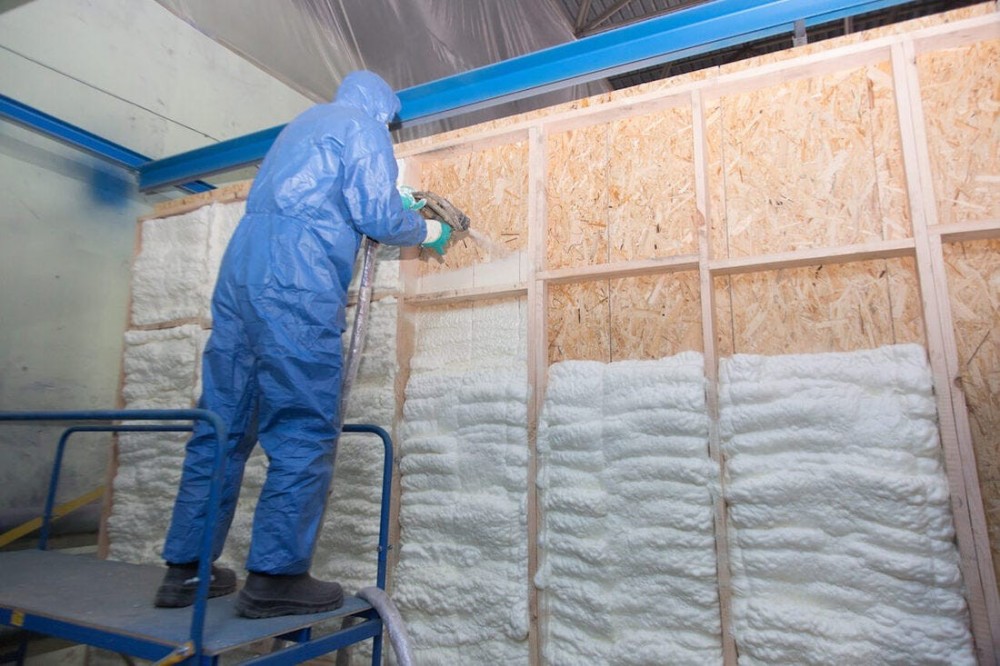
Commercial spray foam insulation provides an effective solution for maintaining stable indoor temperatures in large structures by creating an airtight seal and high thermal resistance. This material expands upon application to fill gaps that traditional insulation often misses, stopping air movement and heat transfer. Business owners observe immediate improvements in temperature consistency and a reduction in the workload placed on heating and cooling systems.
Maintaining a controlled climate in retail spaces, warehouses, or office buildings is difficult when air leaks through the building envelope. This article explains how Commercial Spray Foam Insulation and polyurethane foam technology address these challenges to protect inventory and improve employee comfort. The information presented here reflects field experience with high performance building materials and industrial energy efficiency standards.
Thermal Efficiency in Large Scale Environments
The primary advantage of this material in a commercial setting is its high R-value per inch, which measures the resistance to heat flow. High thermal resistance is necessary for flat roofs and metal buildings that absorb significant amounts of solar heat during the day. By blocking this heat, the insulation prevents the interior from becoming uncomfortably warm, even in extreme desert climates.

High R-Value for Industrial Structures
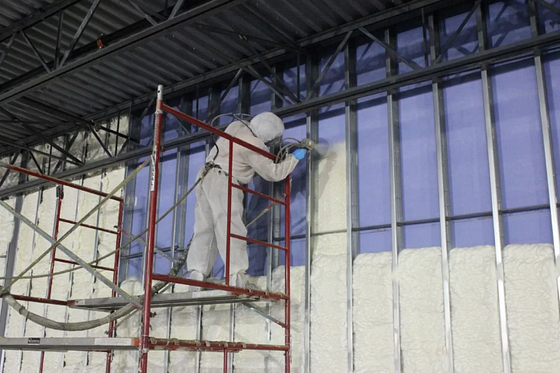
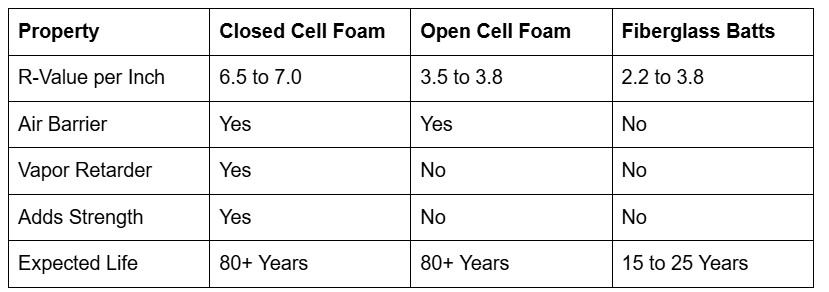
Industrial buildings often have high ceilings and large open areas that are difficult to keep cool. Closed cell foam offers an R-value between 6.5 and 7.0 per inch, which is significantly higher than most other products. This allows a thinner layer of material to provide superior protection, saving space while maximizing energy efficiency.
Preventing Heat Transfer through Masonry and Steel
Steel and concrete are excellent conductors of heat, often allowing outdoor temperatures to enter the building. Service providers apply foam to these surfaces to break the thermal bridge and keep the heat outside. This application protects the building structure from temperature fluctuations that can cause materials to expand and contract.
Bonus Tip: Check for Thermal Bridging
Steel studs can conduct heat through a wall even if the gaps are filled with insulation. Applying a continuous layer of foam over the studs' faces prevents this bypass. This simple adjustment improves the wall assembly's overall performance by up to 15 percent.

Air Sealing as a Primary Climate Control Factor
Air infiltration accounts for nearly 40 percent of energy loss in typical commercial buildings. Standard insulation materials like fiberglass allow air to move through the product, carrying heat and moisture with it. Spray foam acts as a physical barrier that stops this air movement, creating a more secure building envelope.
- The foam fills tiny cracks around window frames and door headers.
- It seals penetrations for plumbing, electrical, and HVAC lines.
- The material prevents dust and outdoor pollutants from entering the workspace.
- Stable indoor air pressure makes ventilation systems more efficient.
- Drafts near loading docks and entryways are significantly reduced.
Eliminating Air Infiltration in Warehouses
Warehouses often suffer from air leaks at the roofline and around large bay doors. Professional teams use expanding foam to seal these specific areas, preventing the loss of conditioned air. This is particularly important for facilities that store temperature-sensitive goods or electronics that require a steady environment.
Improving HVAC Lifespan
When a building is properly sealed, the air conditioning units do not have to cycle as frequently to maintain the thermostat setting. This reduced demand lowers the wear on compressors and motors, leading to fewer mechanical failures. Property managers often find that the equipment lasts longer and requires less frequent maintenance.

Bonus Tip: Sealing Loading Docks
Loading docks are major sources of energy loss due to constant traffic and gaps around door seals. Applying foam to the walls surrounding the dock area helps contain the climate in the rest of the warehouse. This creates a buffer zone that protects the interior when doors are open.
Long Term Performance and Stability
Market data indicates that building owners who invest in high performance air barriers see a return on their investment through energy savings within a few years. Unlike traditional batts that can sag or lose their shape, spray foam remains adhered to the building surfaces for the life of the structure. This stability ensures that the air seal remains tight regardless of how the building ages.
Things to Consider Before Making a Decision
Choosing the right insulation requires an assessment of the building's usage and structural design. Large scale projects involve different logistics than residential work, including the need for specialized equipment and high volume material delivery. A professional evaluation helps determine which foam density is appropriate for the local weather patterns.
- Assess the need for a vapor barrier in humid or refrigerated environments.
- Evaluate the roof deck's weight capacity for exterior foam applications.
- Consider the impact of sound dampening in office partitions or retail spaces.
- Verify that the substrate is clean and dry to ensure a strong chemical bond.
- Determine the required fire rating for the specific building occupancy.
Questions People Ask About Commercial Insulation
Does spray foam add structural strength to a building?
Closed cell foam is a rigid material that bonds to the surfaces it covers, increasing the racking strength of the walls. This added rigidity helps the structure resist high winds and can prevent the roof from lifting during severe storms. It acts as a secondary reinforcement for the building frame.
How quickly can a commercial property be insulated?
The timeline depends on the square footage, but professional teams can often cover several thousand square feet in a single day. Many companies schedule work during off hours or weekends to minimize the impact on business operations. The material cures quickly, allowing the space to be used again within a short window.
Is spray foam effective for flat roofing systems?
Yes, it is a popular choice for flat roofs because it creates a seamless, waterproof layer. It eliminates the joints and fasteners where leaks usually begin. This type of roofing insulation also reflects solar heat, which keeps the entire building much cooler in the summer.
Will this material help reduce noise between office spaces?
Open cell foam is an excellent sound absorber that traps sound waves within its cellular structure. Applying it to interior walls helps prevent noise from traveling between conference rooms or private offices. This creates a more productive and private working environment for employees.
How does the cost compare to traditional materials?
While the initial installation price is higher, the energy savings and reduced HVAC maintenance provide a better financial outcome over time. The long life of the material means it does not need to be replaced, unlike fiberglass which can degrade or settle. It is a one time investment in the building's efficiency.
Concluding Thoughts on Building Performance
Achieving reliable climate control in a commercial building requires a material that blocks both heat and air movement. Spray foam provides a permanent solution that addresses the most common causes of energy loss and discomfort. By choosing a high performance seal, property owners can protect their assets and lower their overhead for decades. Evaluating the specific needs of the structure and the local environment ensures the best results for every industrial or retail space.
Contact a Local Service Provider
Selecting an experienced installation team is the most important part of any commercial project. Supreme Spray Foam LV offers professional solutions for businesses looking to improve their energy performance and climate stability. They provide specialized services for warehouses, retail offices, and industrial complexes. For more information or to request an assessment, they can be reached at info@supremesprayfoamlv.com or by calling (702) 904-9895. Working with a dedicated provider ensures the installation is handled safely and meets all building requirements.
Reviewer: Michael Carter reviewed this article using insight gained over 12 years in the spray foam business. His feedback focused on helping contractors reach new customers without overcomplicating their message.





