

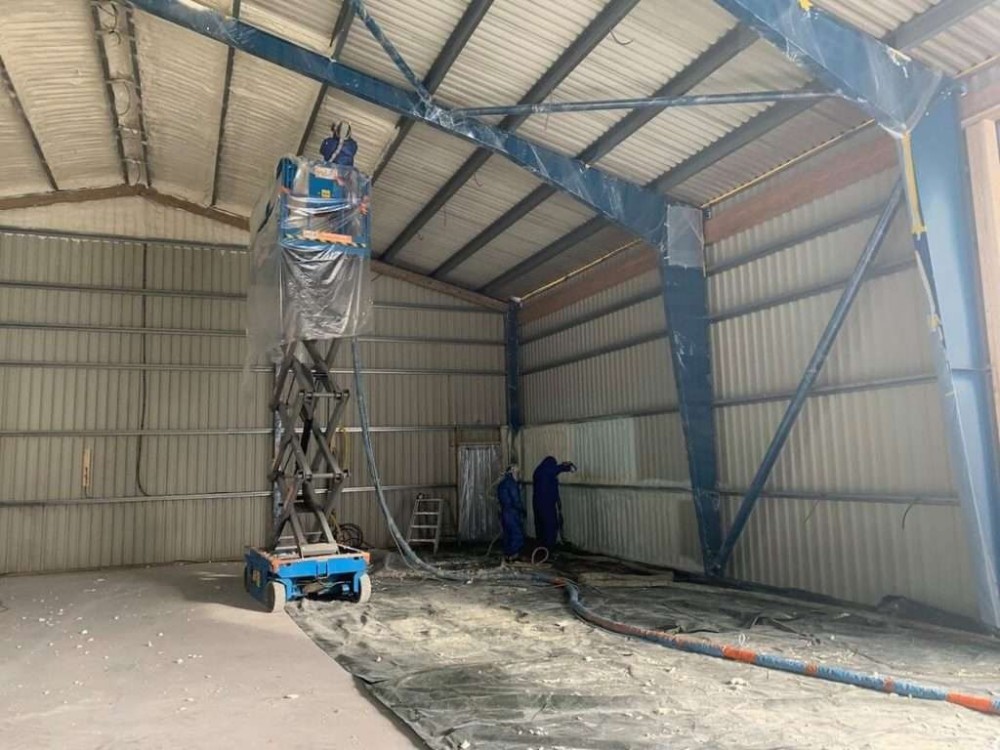
Green builders select commercial spray foam insulation because it creates a high-performance air barrier that drastically lowers building energy consumption. Unlike traditional materials, it expands to fill every void, preventing air leakage, which often accounts for up to forty percent of a building's energy loss. This results in structures that are easier to regulate while maintaining superior indoor air quality.
Sustainability professionals focus on creating a tight building envelope to meet strict environmental standards. Commercial spray foam insulation serves as both insulation and an air sealant in a single application, simplifying the construction process for eco-friendly projects. By reducing the energy demand for heating and cooling, this material helps buildings achieve long term efficiency goals.
This overview provides a detailed look at how spray foam supports sustainable construction practices. The information comes from a deep understanding of thermal performance and material science within the commercial building sector. It serves as a guide for property owners and developers looking to improve their environmental impact.

Achieving Net Zero Goals with High Performance Air Sealing
Green construction projects often aim for net zero energy status, where the building produces as much energy as it consumes. Reaching this target requires minimizing energy waste through the walls and roof. Commercial spray foam provides the thermal resistance and air sealing needed to achieve these goals in modern offices and warehouses.
In high heat environments like Las Vegas, Nevada, the sun puts immense pressure on cooling systems. Builders use spray foam to keep conditioned air from escaping through cracks in the structure. This reduces the size of the HVAC equipment needed, which saves money and resources during the initial build phase.
Reducing Carbon Footprint Through Energy Conservation
Every kilowatt of energy saved reduces the amount of carbon emitted by power plants. High-R-value insulation keeps interior temperatures stable, so heating and cooling units do not have to cycle as frequently. This consistency reduces the commercial property's overall carbon footprint throughout its life.
Minimizing Thermal Bridging in Steel Frame Structures
Commercial buildings often use steel studs, which conduct heat much faster than wood. Spray foam completely covers these metal parts, preventing heat from traveling through the building's frame. This prevents cold or hot spots that typically plague large industrial spaces.
Improving Building Life Cycle Assessment
Sustainability is about how long a material lasts and how much energy it saves over time. Spray foam does not sag, settle, or degrade like fiberglass or cellulose might. This durability means the insulation remains effective for the life of the building without needing replacement.

Bonus Tips for Sustainable Site Management
They should ensure the building is adequately ventilated after the foam is applied to maintain healthy air exchange. Choosing a certified application team helps ensure the chemicals are mixed correctly for maximum efficiency. Builders should also schedule the application when the building is clear to prevent delays.
Engineering for Thermal Efficiency

Durability and Life Cycle Assessment of Sustainable Materials
Green builders prioritize materials that require little maintenance or replacement. Spray foam is a permanent solution that stays in place once it cures, providing a constant level of thermal protection. This longevity is a key part of sustainable building because it reduces the waste associated with future renovations.
The moisture resistance of closed cell foam also protects the building from structural damage. By preventing water vapor from condensing inside the walls, it stops wood rot and metal corrosion. This protection helps the building stay in good condition for many decades.
- Closed cell foam provides extra structural strength to the walls and roof deck.
- The material resists mold and mildew growth by blocking moisture.
- It does not provide a food source or nesting ground for common pests.
- The air seal prevents outdoor pollutants and desert dust from entering.
- Installation creates a quieter interior by dampening external noise from traffic.
Sound Dampening and Indoor Environmental Quality
A healthy building must provide a quiet and comfortable space for employees and tenants. Spray foam reduces sound transmission through walls, which is essential for offices near busy streets or airports. This improves the overall experience for people working inside the structure.
Moisture Control in Arid Environments
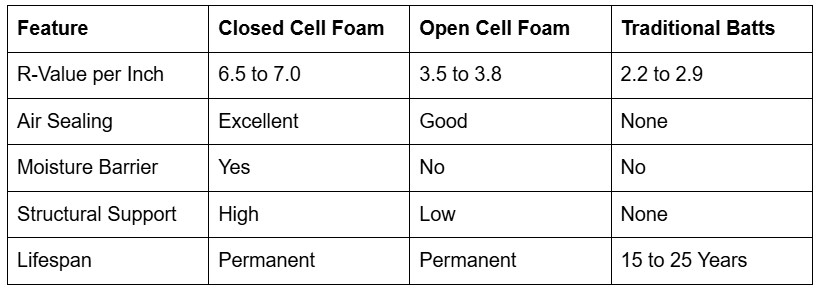
While Nevada has a dry climate, temperature differences between indoors and outdoors can still cause moisture to accumulate. Closed cell foam acts as a vapor barrier that stops this condensation from occurring. This keeps the building materials dry and prevents structural frame degradation.
- Builders should identify all pipe and wire penetrations before spraying.
- Ensuring the surface is clean and dry will help the foam bond perfectly.
- They should use open cell foam for interior walls to maximize soundproofing.
- Closed cell foam is best for exterior walls to provide moisture protection.
- Using spray foam on the roof deck can lower attic temperatures by thirty degrees.
Bonus Tips for Long Term Material Integrity
They should regularly inspect the exterior of the building to ensure the insulation remains protected from direct UV light. Maintaining a clean HVAC system, along with proper insulation, will help achieve the best air quality. Builders should also keep records of the material types used for future reference.
Planning for Structural Resilience
Factors Influencing Modern Construction Decisions
When planning a commercial project, developers must look at the total cost of ownership rather than just the initial price. Spray foam may cost more upfront than old materials, but the savings on utility bills usually pay back that difference within a few years. This makes it a smart financial choice for businesses looking to stay in a location long term.
Green building certifications often give points for high performance insulation and air sealing. Using spray foam can help a project qualify for tax credits and other environmental incentives. These financial benefits make the choice even easier for developers focused on sustainability and modern building standards.
Common Questions About Sustainable Insulation Practices
Does spray foam improve workers' air quality?
Yes, the airtight seal prevents dust, pollen, and other allergens from drifting into the office from the outside. This results in a cleaner indoor environment and can reduce the number of sick days employees with allergies take. It also prevents the entry of smog and vehicle exhaust in urban areas.
How does spray foam help a building withstand high winds?
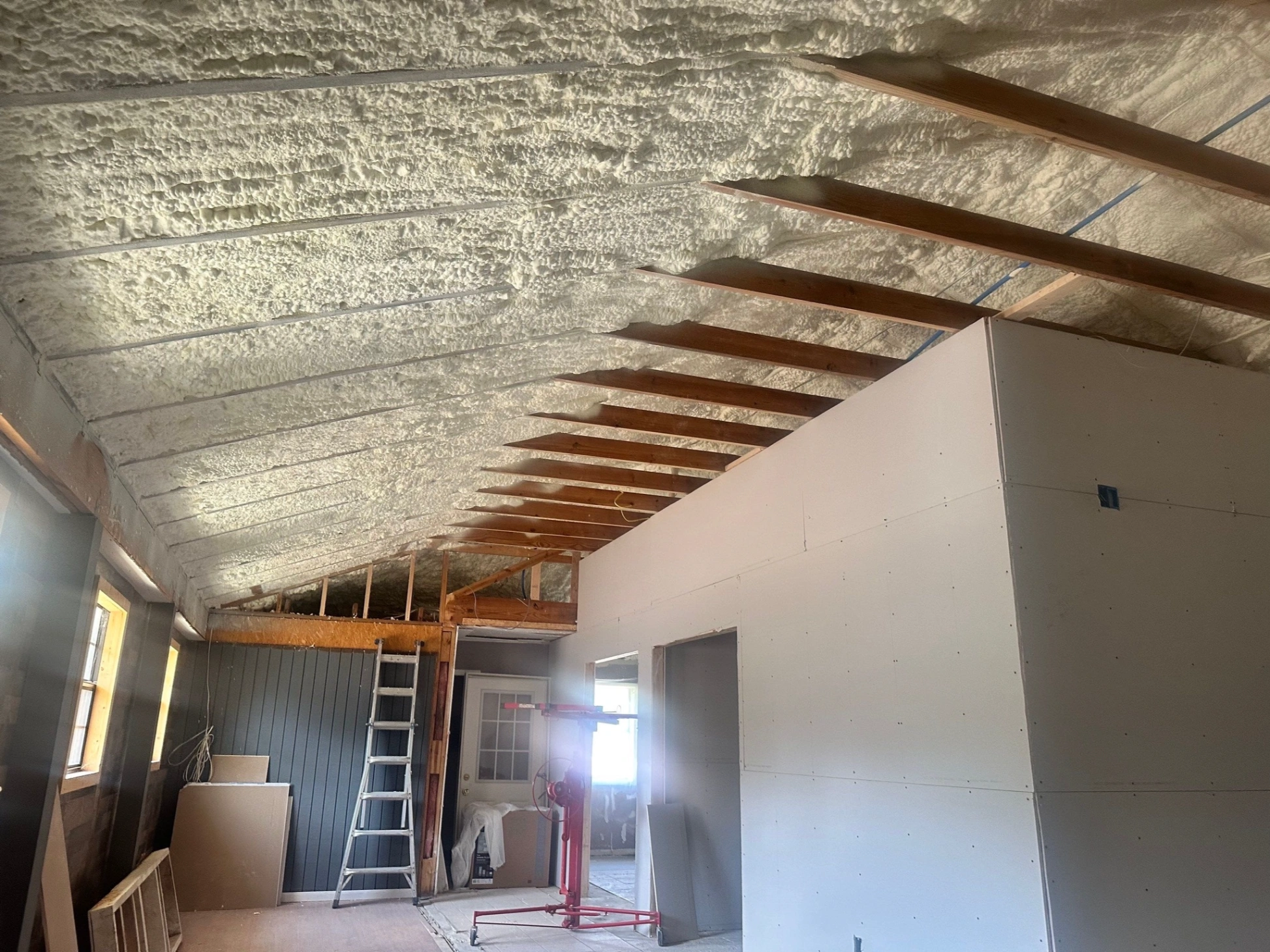
Closed cell foam becomes very hard once it cures, which bonds the roof and walls together into a more rigid structure. This can increase a building's racking strength, helping it remain intact during severe desert storms. It acts almost like glue, reinforcing the entire frame.
Is spray foam insulation considered an eco-friendly material?
While it is a chemical product, its high energy savings make it a core part of green building strategies. By significantly reducing the energy needed to run a building, it prevents a large amount of carbon from being released. Its long lifespan also prevents the waste of replacing shorter lived materials.
Can spray foam be used in old commercial buildings?
Yes, it is one of the best ways to modernize an older structure and bring it up to modern efficiency standards. Technicians can apply it to attics, crawl spaces, and even open wall cavities during a renovation. It instantly stops the drafts that make older buildings uncomfortable.
How long does the installation take for a commercial space?
Most commercial applications are finished in a matter of days depending on the size of the project. The application is fast, but the building must be clear of other workers during the process. Once the foam has cured for twenty four hours, other construction tasks can continue as normal.
Summary of Green Building Efficiency
High performance insulation is the foundation of any successful green building project. By focusing on air sealing and thermal resistance, builders create structures that are comfortable, quiet, and inexpensive to operate. Spray foam addresses the most common sources of energy loss, making it a favorite for sustainable developers. Property owners should evaluate their long term energy goals and consider how a professional application can protect their investment for decades.
Professional Consultation for Commercial Efficiency
To achieve the best results, property owners should work with an experienced team that understands the technical needs of commercial insulation. Supreme Spray Foam LV offers expert services tailored to the Nevada climate and modern construction standards. They provide detailed assessments to help builders select the right foam for their specific goals. For more information, they can be reached at (702) 904-9895 or via email at info@supremesprayfoamlv.com. Contacting their staff is a helpful first step toward improving a building's energy performance and overall sustainability.
Reviewer: Michael Carter reviewed this article using insight gained over 12 years in the spray foam business. His feedback focused on helping contractors reach new customers without overcomplicating their message.





