

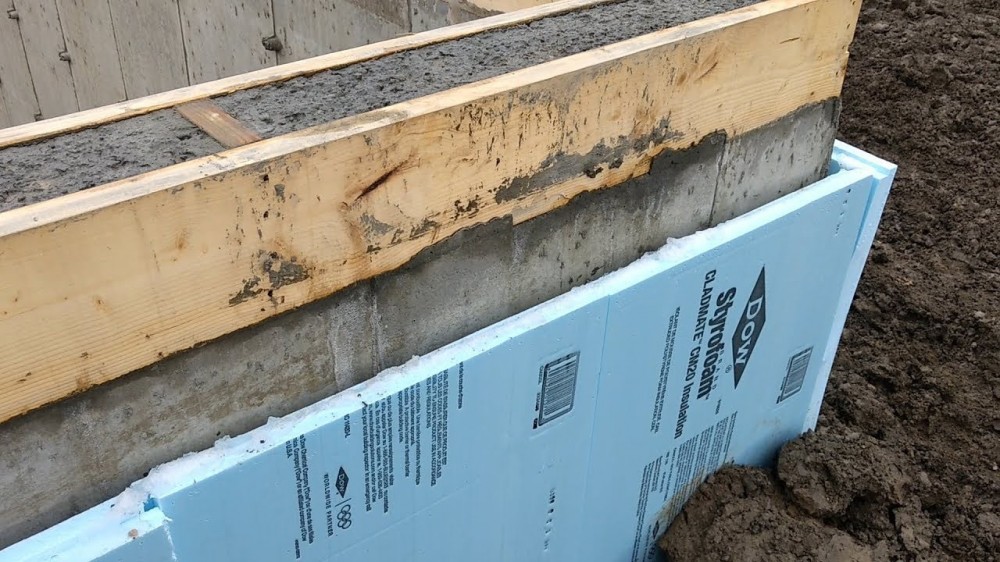
Foundation insulation creates a thermal break between the ground and the building structure, stopping the transfer of heat and moisture through the floor and crawl space. By applying high performance spray foam to foundation walls or floor joists, property owners prevent energy from escaping into the earth. This process stabilizes the temperature of the lower levels, which reduces the workload on heating and cooling systems throughout the entire property.
Homeowners often overlook the foundation insulation as a source of energy loss, yet it can account for up to 15 percent of a building's total thermal leakage. Professional insulation services offer a permanent solution that blocks air infiltration and manages humidity levels. This article provides a comprehensive look at the technical mechanics and long term benefits of protecting the home starting from the ground up. The details provided here reflect years of field experience in building science and structural efficiency.
Thermal Dynamics of the Home Foundation
Heat naturally moves from warmer spaces to cooler ones. In many homes, the foundation acts as a bridge that allows heat to bypass the insulated walls and escape into the cooler ground. Concrete is a dense material but has an R-value of less than 1 per inch, meaning it offers very little resistance to heat transfer.

Insulating this area stops the conductive loss of energy through the slab or crawl space walls. This is particularly important for homes with basements or crawl spaces where HVAC equipment is located. By protecting the foundation, they ensure that the air handled by these systems stays at the desired temperature for a longer period.
Stopping Ground Temperature Transfer
The earth stays at a relatively consistent temperature a few feet below the surface, but this temperature is often much cooler than the preferred indoor climate. Foundation insulation acts as a shield that prevents the cold from the soil from cooling down the interior floors. This makes the living space feel warmer without increasing the thermostat settings.
Conductive Heat Loss through Concrete
Concrete walls absorb heat from the interior and dump it into the surrounding soil. This process is continuous and can significantly drain energy from a building. Spray foam breaks this cycle by providing a high resistance layer that sticks directly to the concrete surface.
Bonus Tips for Moisture Defense
They should inspect the exterior grading of the home before applying interior foundation insulation. Ensuring that water flows away from the structure prevents hydrostatic pressure from pushing moisture through the concrete. They should also check for any visible cracks in the slab that might need repair prior to the insulation process.


Material Selection and Application Methods
The type of material used for foundation protection dictates the overall performance and lifespan of the project. Closed cell spray foam is the preferred choice for below grade applications because of its density and moisture resistance. This material becomes hard and provides extra structural rigidity once it cures.
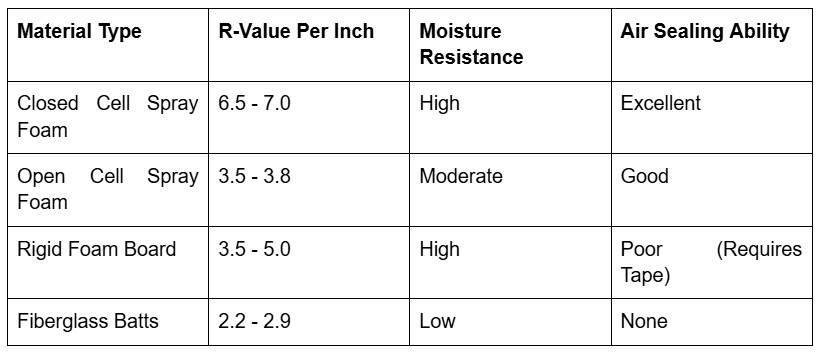
Open cell options are sometimes used for interior crawl space walls where sound dampening is a priority. However, for most foundation projects, the water resistant nature of closed cell foam makes it the superior option. The following table compares common materials used for foundation projects to help property owners understand the performance differences.
Closed Cell Foam Performance
Closed cell foam acts as a vapor barrier, which is essential for foundations. Many crawl spaces suffer from dampness that leads to wood rot or mold. By sealing the walls with this material, they stop the entry of humid air and prevent condensation from forming on cold surfaces.
- The material expands to fill every crack in the concrete or stone foundation.
- It provides a continuous layer of protection without seams or joints.
- Closed cell foam does not absorb water, making it ideal for wet soil conditions.
- It adds racking strength to the building structure by bonding to the substrate.
- The material remains stable for decades and does not sag or settle over time.
Regional Climate Performance in Nevada
In desert regions like Las Vegas, the ground can become extremely hot during the summer months. Foundation insulation prevents this heat from radiating up into the home, which helps keep the lower floors cool. This is a practical way to manage the intense Nevada sun and its impact on building efficiency.
- Insulation keeps the floor temperature consistent with the rest of the house.
- It reduces the load on air conditioning units during the hottest parts of the day.
- The airtight seal prevents desert dust and pests from entering the crawl space.
- It protects plumbing pipes located under the house from extreme temperature changes.
- Professional application ensures the home stays energy independent in a harsh climate.
Things to Consider Before Making a Decision
Before moving forward with foundation insulation, property owners should evaluate the current moisture levels in their crawl space or basement. It is important to fix any active leaks or drainage issues first. Spray foam is highly effective at blocking moisture, but it should not be used to hide existing structural damage.
They should also consider the area's accessibility. Some foundations have very tight crawl spaces that require specialized equipment for proper application. Speaking with an expert can help identify the best approach for these difficult to reach areas.
- Check for signs of standing water or high humidity in the foundation area.
- Verify that the concrete is clean and free of loose debris for better foam adhesion.
- Determine if the goal is strictly energy efficiency or also moisture control.
- Look for local building codes that might require specific fire ratings for insulation.
- Analyze the long term energy savings to understand the return on the project cost.
Frequently Asked Questions
Does foundation insulation help with pest control
Yes, spray foam fills the small gaps and cracks that mice, spiders, and other pests use to enter the home. Unlike fiberglass, it does not provide nesting material or food value, making the crawl space much less attractive to intruders.
How long does the installation process take
Most residential foundation projects are completed in one to two days. This includes the time needed for preparation and the actual application of the foam. The material cures quickly, allowing the property to be used again within twenty four hours.
Can spray foam be applied to an old stone foundation
Yes, spray foam is actually one of the best solutions for irregular surfaces like old stone or brick. It conforms to the shape of the wall, filling every void and creating a solid seal that rigid foam boards cannot achieve.
Will foundation insulation stop my floors from being cold
Insulating the foundation or the underside of the floor joists significantly improves the temperature of the floors. It prevents the cold air from the ground from reaching the floorboards, creating a more comfortable surface for walking barefoot.
Is it better to insulate the crawl space walls or the ceiling
Insulating the crawl space walls is generally better if the area is dry and houses HVAC equipment. This creates a conditioned space that protects the pipes and ducts. If the crawl space is vented and damp, insulating the floor joists may be the more appropriate choice.
Conclusion
Foundation insulation is a practical way to stop energy loss at the source and improve the overall climate of a building. By choosing high performance spray foam, property owners protect their structures from heat transfer, moisture, and pests. This investment stabilizes indoor temperatures and reduces the financial burden of monthly utility bills. They should evaluate the specific needs of their property and look for solutions that provide long term durability and thermal resistance. A well protected foundation ensures that the entire home remains efficient and comfortable for many years to come.
Expert Consultation and Professional Support
Selecting a qualified service provider is the most important step in ensuring a successful insulation project. They should look for teams with experience in the specific requirements of the Nevada climate. Supreme Spray Foam LV provides expert services for residential and commercial foundations in the Las Vegas area. They focus on delivering precision applications that help buildings perform better and last longer. For more information or to request a detailed assessment, they can be reached at (702) 904-9895 or via email at info@supremesprayfoamlv.com. Contacting an experienced provider like them ensures that the foundation remains a strong and efficient part of the building envelope.
Reviewer: Michael Carter reviewed this article using insight gained over 12 years in the spray foam business. His feedback focused on helping contractors reach new customers without overcomplicating their message.





