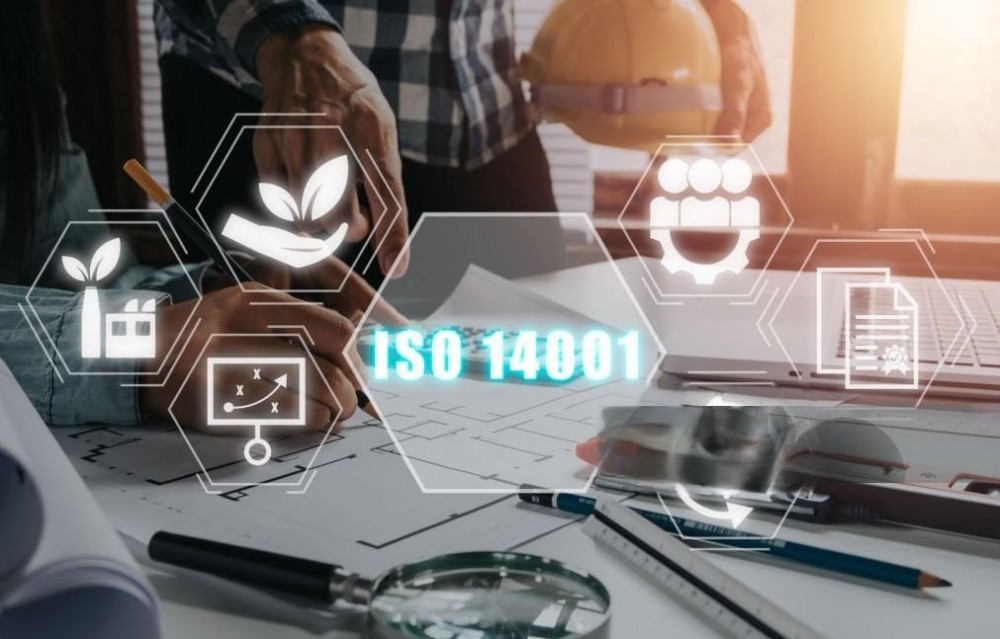
You’re in the business of waste management, energy solutions, or environmental services. You know that the pressure to be environmentally responsible is only getting stronger, and there’s no room for cutting corners. The solution? ISO 14001.
But let’s take a step back. What is ISO 14001, really? Well, it’s more than just a certification you can proudly display. It's a global standard that helps organizations manage their environmental responsibilities. It’s about reducing your environmental footprint, optimizing processes, and ensuring you're compliant with regulations—all while maintaining a sustainable approach.
If you’re running an environmental services company, this standard isn’t just a box to check; it’s a game changer. Ready to understand why? Let’s break it down, and we’ll explore the ins and outs of ISO 14001, why training in it is crucial, and how it can boost your business and make your team more efficient, responsible, and even more competitive in the marketplace.
What Exactly is ISO 14001?
ISO 14001 Training is part of the ISO 14000 family of standards. These standards are all about environmental management systems (EMS). Specifically, ISO 14001 lays out the framework that any organization can follow to improve their environmental performance through more efficient resource use, waste reduction, and compliance with legal regulations.
In other words, it's a strategic blueprint for businesses to minimize their environmental impact, while still doing their thing. It’s a commitment that goes beyond just saying you’re "green"—it’s about measurable, actionable goals that lead to real improvements.
It might sound a little complex, but honestly, once you get into it, you’ll find that implementing ISO 14001 isn’t just good for the planet—it’s great for your bottom line. Seriously. It helps businesses cut down on waste, reduce energy usage, and streamline processes that end up saving money.
Why ISO 14001 Training is a Must for Your Team
ISO 14001 isn’t just a set-and-forget kind of thing—it’s about continuous improvement. And for that, you need everyone on your team to understand and actively engage with the system. Here’s why training is essential:
Consistency is Key: When every member of your team, from top leadership to frontline workers, understands the same principles and procedures, the implementation of your environmental management system becomes smooth and consistent.
Spotting Red Flags: You’ll be able to identify environmental risks early, whether it’s a potential hazard in waste management, energy usage, or a potential compliance issue. The more you know, the earlier you catch those red flags.
Employee Engagement: When your employees understand the "why" behind the processes they’re following, they’re more likely to buy in. Training creates a culture of responsibility, where everyone feels like they have a role in driving environmental goals forward.
Keeping Up with Regulations: Local and global environmental laws are always changing. ISO 14001 training ensures that your business is aware of all the new compliance requirements, reducing the risk of legal fines or penalties.
What Does ISO 14001 Training Involve?
So now you're thinking, “Okay, sounds important. But what exactly will my team learn?” Good question.
ISO 14001 training generally covers the following areas:
Introduction to Environmental Management: What’s the difference between environmental impact and environmental risk? Why should your business care? This section will set the stage for everything else.
The ISO 14001 Framework: This is where you'll get the nuts and bolts of the standard itself. You’ll understand how to create, implement, and evaluate your EMS. Topics like policy development, objectives, and action plans are covered here.
Legal and Regulatory Compliance: A key element. ISO 14001 emphasizes the importance of complying with environmental laws and regulations. Your team will learn how to interpret these laws and ensure compliance at every level of the organization.
Risk Management and Assessment: Learn how to assess environmental risks, how to mitigate them, and how to implement preventive actions. It’s about being proactive, not reactive.
Monitoring and Auditing: A big part of ISO 14001 is continual improvement. You’ll learn the processes for monitoring, measuring, and auditing your system. This ensures that any environmental issues are caught early and that your system is constantly improving.
Communication and Reporting: A strong communication strategy is crucial for ensuring all employees and stakeholders are aligned with your environmental goals. Training in this area helps foster transparency and accountability.
How ISO 14001 Benefits Your Business
Beyond the internal improvements, implementing ISO 14001 comes with plenty of external benefits too. Here's how it can give your business a competitive edge:
Cost Savings: ISO 14001 helps organizations identify inefficiencies—whether it’s excessive waste, high energy consumption, or unnecessary processes. With better management, these inefficiencies drop, leading to direct cost savings.
Enhanced Reputation: Consumers and businesses alike are increasingly gravitating toward companies that prioritize sustainability. That’s a win-win.
Market Access: Some industries, particularly in government and larger corporations, require ISO 14001 certification before you can even bid on contracts. Being ISO 14001 certified opens up more business opportunities.
Employee Morale: Having a robust environmental management system can improve employee morale by giving them a sense of pride in working for an organization that values sustainability.
Overcoming Challenges in ISO 14001 Implementation
It’s not all smooth sailing, though. Like any significant change in the way a business operates, implementing ISO 14001 can present a few challenges. But trust me, they’re not insurmountable. Here’s how to deal with common hurdles:
Resistance to Change: People don’t like change. It's natural. The key is to clearly communicate the benefits and involve your employees from the very beginning. Make them part of the process, and they’ll be more likely to embrace it.
Resource Allocation: ISO 14001 implementation can require a fair bit of upfront investment in terms of both time and money. The savings and efficiencies you'll gain over time make it worth it.
Keeping Track of Progress: One of the ongoing challenges is ensuring that your organization is continually improving and meeting ISO 14001 standards. Regular audits and employee training are essential to keep things on track.
How to Get ISO 14001 Certified
Now that you know what ISO 14001 training is all about and why it's crucial for your business, how do you actually get certified?
Gap Analysis: First, you need to assess where your business currently stands. A gap analysis will help you figure out where your existing processes and environmental practices align with ISO 14001 and where they fall short.
Create an Environmental Management System: Based on the results of your gap analysis, you'll need to develop an EMS. This involves defining your environmental policy, setting objectives, and creating an action plan.
Implementation: Now it’s time to put your system into action. This will likely involve adjusting some of your day-to-day operations to align with the new standards.
Internal Audits and Reviews: Before you get formally certified, your organization will conduct internal audits and reviews. This helps ensure everything is running smoothly and that you’re meeting ISO 14001’s requirements.
Certification Audit: Finally, you’ll schedule an audit with an accredited certification body. If they find that your organization meets the requirements, you’ll receive ISO 14001 certification.
Final Thoughts: ISO 14001 is More Than Just a Certification
At the end of the day, ISO 14001 is a journey, not a destination. Sure, the certification is great, but it’s the ongoing commitment to environmental management that brings the real benefits. It’s about becoming a better, more responsible organization—not just for your bottom line, but for the planet, too.
Training in ISO 14001 helps your team build the skills and mindset needed to improve environmental practices at every level of your organization. It’s about developing a culture of responsibility, innovation, and constant improvement. The process might be challenging at times, but trust me, the rewards are well worth it.
So, are you ready to take the next step in creating a more sustainable, efficient, and compliant organization? With the right ISO 14001 training, your team will be ready to tackle the future head-on—one green step at a time.
Key Takeaways:
ISO 14001 isn’t just about following rules; it’s a system for continual environmental improvement.
Training is essential for consistent implementation, employee engagement, and keeping up with legal changes.
The benefits are clear: cost savings, better reputation, more business opportunities, and happier employees.
It’s not always easy—but with the right mindset, it’s an investment that pays off in spades.