

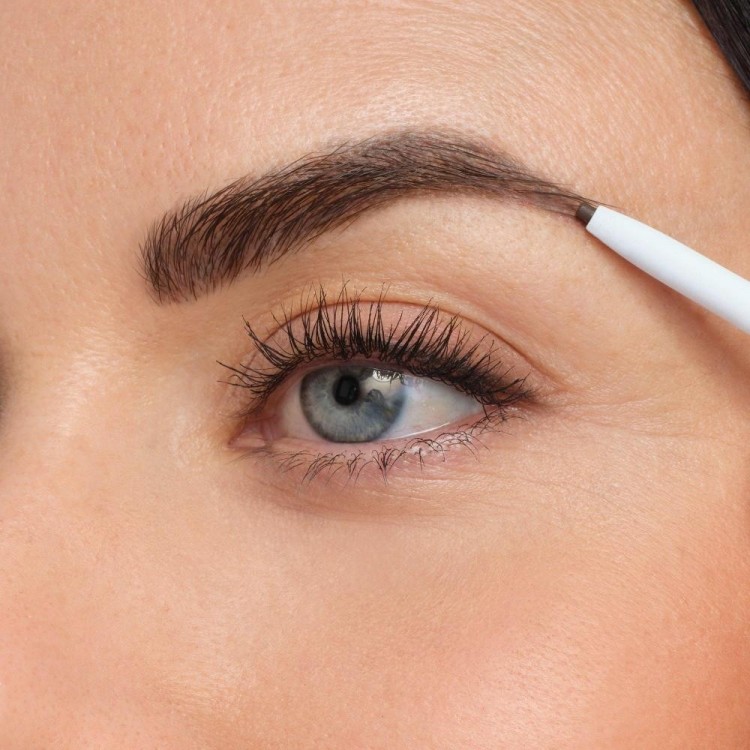
Correct eyebrow shaping fundamentally relies on alignment with the natural bone structure to create symmetry and lift the facial features. The most effective method involves mapping three specific points relative to the nose and eyes: the starting point at the bridge of the nose, the highest point of the arch aligning with the outer iris, and the tail ending at a diagonal from the nostril corner. By removing stray hairs outside this map and maintaining the brow's natural thickness, individuals can achieve a balanced look that frames the eyes without dominating the face.

Well-groomed brows act as a non-surgical lift, instantly making the eyes appear wider and the face more youthful. While trends often dictate whether thick or thin brows are in style, industry experts consistently advocate for a classic shape that respects the individual's unique anatomy. Professional estheticians and permanent makeup artists use these geometric principles to correct asymmetry and enhance natural beauty, proving that strategic hair removal is just as powerful as makeup application.
Identifying Face Shapes and Ideal Arches
The primary goal of shaping is to create an oval illusion for the face. Different face structures require specific brow characteristics to counter or soften prominent features. A round face benefits from high, sharp arches to add length, while a long face looks more balanced with a flat, straight brow to add width.
Matching Technique to Bone Structure
|
Face Shape |
Goal 
|
Ideal Brow Shape |
What to Avoid |
|---|---|---|---|
|
Round |
Lengthen and sharpen |
High, angular arch with a defined peak |
Rounded, semi-circle shapes |
|
Square |
Soften the jawline |
Soft, curved arch with medium thickness |
Sharp angles or flat brows |
|
Oval |
Maintain balance |
Softly angled arch |
overly dramatic peaks |
|
Heart |
Balance the forehead |
Low, rounded arch |
Straight or heavy, thick brows |
|
Long/Oblong |
Shorten the face |
Flat, straight brow with minimal arch |
High arches that elongate |
The Geometry of Mapping
Mapping is the blueprint for a perfect shape. Without a guide, it is easy to remove too much hair or create uneven levels.
The Three-Point Method
- The Head (Start): Hold a pencil vertically against the dimple of the nose. The brow should start where the pencil touches the brow bone.
- The Arch (Peak): Angle the pencil from the tip of the nose through the center of the pupil. This point lifts the eye.
- The Tail (End): Angle the pencil from the outer nostril to the outer corner of the eye. Ending the brow here prevents a drooping effect.
Avoid using a magnifying mirror when shaping. These mirrors distort perspective and often lead to over-plucking. Step back to a regular mirror every few hairs to check the overall symmetry.

Environmental and Seasonal Skin Care
The skin around the eyes is thin and sensitive to environmental changes. This affects how the skin reacts to shaping methods like waxing or threading.
Impact of Humidity and Temperature
In high-humidity regions, the skin retains more moisture and oil. Waxing in these conditions can sometimes lead to skin lifting if the strip does not adhere properly to the hair. Using a little powder before waxing helps absorb excess oil. Conversely, in cold or dry climates, the skin becomes brittle. Threading or tweezing is often safer during winter months to avoid irritation or tearing the top layer of the epidermis.
Techniques for Precision
Choosing the right tool determines the finish. Tweezing allows for hair-by-hair precision and is best for maintenance. Waxing provides a clean, sharp line by removing fine fluff (vellum hair) that tweezers miss. Threading is excellent for sensitive skin as it uses no chemicals or heat, simply twisting the hair out from the root.
Things to Consider Before Making a Decision
Before altering the brow shape significantly, individuals should assess their long-term goals. Hair growth cycles slow down with age. Over-plucking in the 20s often leads to permanent thinning in the 30s and 40s.
Market data indicates that nearly 60% of women feel their brows are "uneven" or "sparse" due to past over-grooming. If the goal is a fuller look, a "brow rehab" period of 6 to 8 weeks without any hair removal is necessary. Furthermore, those using retinol or chemical exfoliants must stop using them at least five days before professional waxing to prevent skin damage.
Common Mistakes That Distort Balance
Errors in shaping can change the perceived expression of the face.
- The "Tadpole" Brow: Over-plucking the inner corners creates a bulbous start and a thin tail. This makes the eyes look far apart.
- Dropping the Tail: Extending the tail too far down drags the features downward, making the face look tired or sad. The tail should never sit lower than the start of the brow.
- Ignoring Texture: Trimming is just as important as plucking. Long, curly hairs can disrupt the shape even if the outline is perfect.
Brush the brow hairs upward with a spoolie brush. Only trim the very tips that extend past the top brow line. Cut one hair at a time to avoid creating gaps.
Questions People Ask About Eyebrow Shaping
How often should I shape my eyebrows?
Most people need maintenance every three to four weeks. This aligns with the natural hair growth cycle. Tweezing strays can be done weekly, but the main shape should be left alone to avoid thinning.
Is it better to wax or thread?
Threading is generally gentler on facial skin and gives a very precise definition. Waxing is faster and handles thick hair well but can be harsh on sensitive skin types or those using anti-aging creams.
How do I fix over-plucked brows?
Patience is the only cure. Put down the tweezers for at least two months. Use a brow serum to encourage follicle activity and fill in gaps with a pencil or powder while waiting for regrowth.
Should my eyebrows be identical?
No. Faces are not perfectly symmetrical. The industry saying is "brows are sisters, not twins." Trying to make them identical often leads to removing too much hair and ruining the shape.
Does shaving eyebrows make them grow back thicker?
No. Shaving blunts the tip of the hair, making it feel coarse as it grows out, but it does not change the thickness or density of the follicle itself.
Summary of Key Takeaways
Achieving the ideal brow shape requires understanding facial structure and sticking to a geometric map. Identifying the correct start, arch, and tail points ensures the brows lift and frame the face rather than drag it down. Different face shapes need different arch styles to create balance. Environmental factors and tool selection also play roles in maintaining skin health during the process. By avoiding common errors like over-magnification and excessive trimming, anyone can maintain defined, flattering brows.
Professional Guidance for Your Look
For those struggling to find their ideal shape or recovering from past over-plucking, consulting a specialist provides a clear path forward. Perfect Place PMU by Iryna Sakharova offers expert shaping and design services that focus on facial harmony. They assess bone structure and natural growth patterns to create a customized look for every client.
Readers wishing to refine their brow game can contact the studio for an assessment. Their team is ready to discuss options ranging from shaping to permanent enhancement. You can reach them at perfectplacepmu@gmail.com or call (445) 214-7232 to schedule an appointment or ask specific questions about their methods.





