

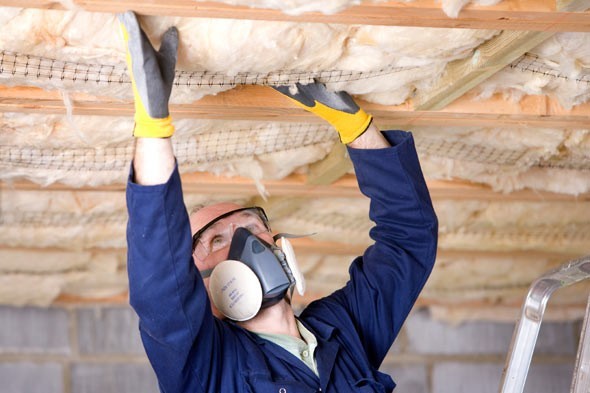
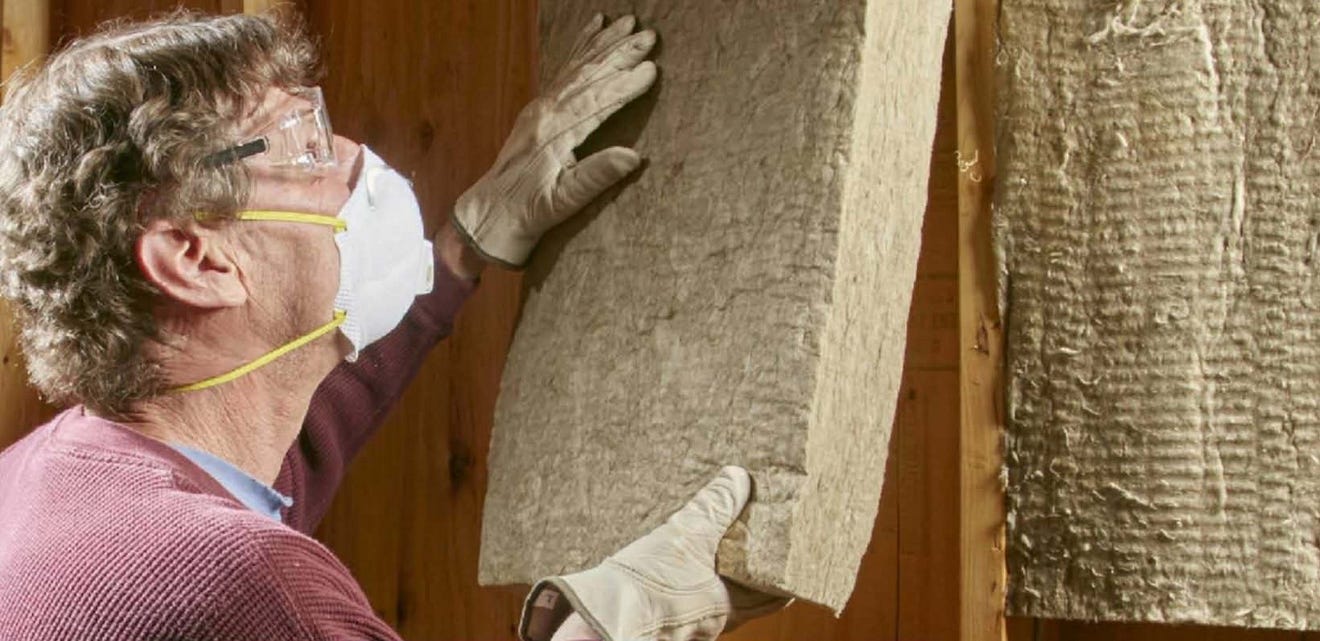
Mineral wool insulation maintains its shape and structural strength through its high density and the unique physical bond of its stone based fibers. Unlike softer materials that might compress or slump over time, mineral wool is manufactured by melting basalt rock and recycled steel slag into a glass like liquid that is spun into thick, dense threads. These fibers are then compressed into batts or boards that possess a natural rigidity, allowing them to stand upright in wall cavities without the need for staples or fasteners.
Building professionals choose this material when long term stability is a primary requirement for a project. The density of the product, often three to four times higher than traditional fiberglass, ensures that the thermal barrier remains intact for decades. Because the fibers do not easily shift or settle, the material avoids the common problem of creating gaps at the top of wall studs where heat can escape.
Experts in the insulation industry note that the internal structure of mineral wool acts almost like a spring. When it is compressed slightly during installation, it pushes back against the framing members to create a tight friction fit. This article provides a detailed look at the science behind this stability and why it remains a preferred choice for residential and commercial structures.

Manufacturing Processes and Material Density
The journey of mineral wool begins with the selection of raw materials that can withstand extreme thermal conditions. Manufacturers use a combination of natural volcanic rock and industrial byproducts to create a substance that is both durable and resistant to environmental stressors. This mixture is melted in a furnace at temperatures exceeding 2,900 degrees Fahrenheit, turning the solid rock into a molten liquid.
Once the material reaches a liquid state, it is poured onto high speed spinning wheels that throw the liquid off as thin fibers. These fibers are treated with a binding agent that helps them stick together as they cool, forming a thick mat. This mat is then compressed to a specific density, which determines the final strength and insulating value of the product.
Higher density is the primary reason why mineral wool does not sag or lose its thickness over time. While other materials might feel airy or light, this product has a substantial weight and a felt like texture that indicates its structural integrity. This weight helps the material stay in place even in high vibration environments, such as homes near busy roads or industrial zones.
Melting and Spinning Volcanic Rock
The use of basalt rock provides a chemical background that is naturally resistant to decay and fire. Because the material started as rock, it retains many of the same physical properties even after being turned into a fibrous form. This allows the finished product to maintain its dimensions even when exposed to fluctuating temperatures.
As the fibers are spun, they become intertwined in a complex web that provides internal support. This interlocking nature of the fibers means that even if a small section of the batt is damaged, the surrounding area remains stable. The resulting material is strong enough to be handled and cut without falling apart or losing its original shape.
High Temperature Fusion
The high heat used during manufacturing ensures that any organic matter is burned away, leaving behind a purely mineral product. This inorganic nature means there is nothing within the material that can rot or break down over time. It creates a stable environment within the wall cavity that does not change as the building ages.
Bonus Tips: Proper Storage
Before installation, they recommend keeping mineral wool batts in their original packaging and storing them on a flat surface. Even though the material is strong, stacking heavy objects on top of unprotected batts can eventually distort the edges. Keeping them dry and flat ensures they will fit perfectly into the wall studs during the project.
Long Term Structural Stability in Wall Cavities
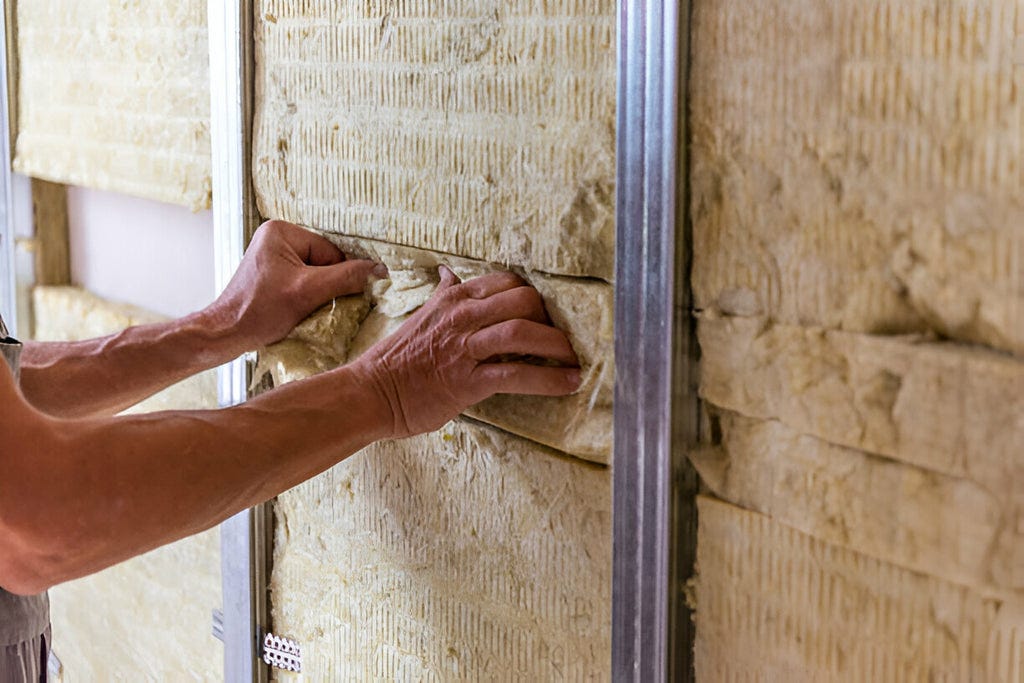
In vertical wall applications, the weight of the insulation itself can sometimes cause it to slide down toward the floor. Mineral wool avoids this issue because its high density creates a stiff board like quality. When a contractor cuts a piece slightly wider than the stud bay, the material wedges itself into place and stays there permanently.
This friction fit is a major advantage for maintaining the thermal envelope of a building. It eliminates the need for mechanical fasteners that can create thermal bridges or fail over time. The material fills the entire width and depth of the cavity, leaving no room for air to bypass the insulation.
Furthermore, the stiffness of the material makes it easier to install around electrical boxes and plumbing pipes. Instead of stuffing the material behind these obstacles, installers can cut precise notches or holes into the mineral wool. The material holds these shapes without tearing, ensuring a perfect fit around every part of the home’s infrastructure.
Preventing Slumping and Gaps
Slumping is a common failure in older homes where the insulation has settled several inches, leaving the top of the wall completely uninsulated. Mineral wool prevents this because its fibers are too dense to be pulled down by gravity. This consistency ensures that the R-value of the wall remains the same at the top as it is at the bottom.
By maintaining its height, the material prevents the formation of “cold spots” that can lead to condensation and comfort issues. This stability is especially important in multi-story buildings where the cumulative weight of the wall can put pressure on the lower sections. The material resists this pressure, keeping the entire wall protected.
Friction Fit Installation
A successful friction fit requires cutting the batts approximately half an inch wider than the space between the studs. This slight over-sizing causes the fibers to compress and exert outward pressure against the wood or steel framing. This pressure is what keeps the insulation from moving, even if the building experience’s minor settling or shifts.
Bonus Tips: Cutting Techniques
They suggest using a long serrated knife, often called an insulation knife, to make clean and straight cuts. A dull blade can tear the fibers and lead to ragged edges that do not sit flush against the studs. Clean cuts preserve the structural strength of the batt and ensure a better air seal at the edges.
Performance in Varying Environmental Conditions
Environmental factors like humidity and moisture can often cause traditional insulation to lose its shape and clump together. Mineral wool is naturally hydrophobic, meaning it repels water rather than absorbing it. If the material does get wet, it typically dries out without losing its original dimensions or insulating properties.
This characteristic is vital for maintaining the long term strength of the insulation. When materials absorb water, they become heavy and are much more likely to sag or collapse. Because mineral wool stays dry and lightweight, it remains in its original position regardless of the humidity levels outside.
Additionally, the material does not expand or contract significantly with changes in temperature. Some plastic based insulators can shrink in the cold, creating small gaps that allow air to leak through. Mineral wool stays the same size in both the heat of summer and the cold of winter, providing a consistent seal for the life of the building.
Hydrophobic Qualities and Moisture Resistance
The manufacturing process includes the addition of a small amount of oil or water repellent to the fibers. This treatment ensures that liquid water beads up and rolls off the surface rather than soaking into the core. This protection is a major reason why the material is often used in exterior rainscreen applications and basements.
By staying dry, the material also prevents the growth of mold and mildew which can break down the structure of other insulators. It creates an inhospitable environment for fungi, which helps keep the air inside the home cleaner. This durability makes it a top choice for areas with high rainfall or coastal moisture.
Maryland Climate Adaptation
In the Maryland coastal region, humidity levels can fluctuate wildly between seasons. They find that mineral wool is particularly effective here because it manages the moisture challenges of the Eastern Shore without losing its thermal efficiency. It provides a stable solution for homes in towns like Easton and Chester where damp air is a constant factor.

Structural Comparison of Common Insulators
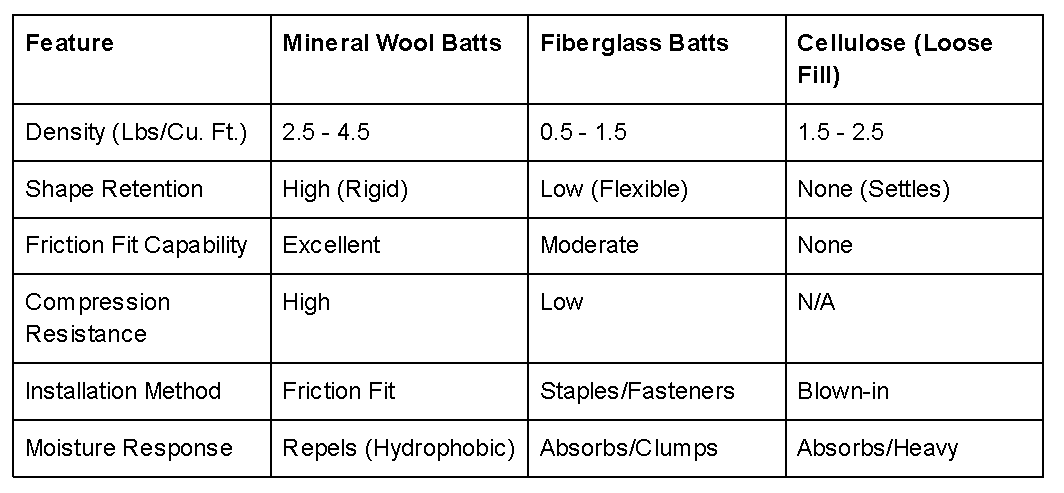
When evaluating the strength of an insulation product, it is helpful to look at the density and physical form of the materials. The following table highlights the differences between mineral wool and other common options used in the residential market.
Things to Consider Before Making a Decision
Choosing the right insulation involves more than just looking at the price per square foot. Property owners should consider the specific demands of their building and the local climate. While mineral wool offers many benefits, its performance depends on a professional assessment of the home’s needs.
- Evaluate the weight of the material to ensure the ceiling framing can support high density batts if used in an attic.
- Determine if the project requires specific fire ratings, as mineral wool can withstand much higher temperatures than other products.
- Consider the sound dampening needs of the space, as the density of mineral wool makes it an excellent acoustic barrier.
- Ensure that the installers are experienced with the friction fit method to avoid over-compressing the material.
- Check for local availability of specific thicknesses to match the depth of the existing wall studs.
By taking these factors into account, property owners can ensure they are getting the most value from their investment. A professional consultation can help identify where the strength and shape retention of mineral wool will have the biggest impact on home comfort and energy bills.
Questions People Ask About Mineral Wool
Does mineral wool lose its R-value if it gets wet?
Mineral wool is hydrophobic and does not readily absorb water. If it does become damp, it will typically dry out and return to its original R-value without any loss of shape or performance. This makes it much more resilient than fiberglass or cellulose in humid environments.
Can mineral wool be used for soundproofing between rooms?
Yes, its high density makes it one of the best materials for reducing noise transmission through walls and floors. It is frequently used in home theaters and bedrooms to create a quieter indoor environment. It absorbs sound waves rather than letting them pass through the wall cavity.
Is mineral wool difficult to install compared to fiberglass?
It is slightly heavier and stiffer than fiberglass, which many installers find makes it easier to work with. It can be cut precisely with a knife and stays in place without the need for staples. However, because it is made of stone fibers, they recommend wearing gloves and eye protection during the process.
How does mineral wool react to fire?
Mineral wool is non-combustible and can withstand temperatures of over 2,000 degrees Fahrenheit. It does not produce toxic smoke or melt easily, which can help slow the spread of fire through a building. This fire resistance is a natural property of the stone fibers used in its construction.
Will mineral wool settle over time in an attic?
Unlike blown-in cellulose or low density fiberglass, mineral wool batts do not settle or lose their loft. The dense, interlocking fibers maintain their thickness for the life of the building. This ensures that the thermal protection remains consistent from the day of installation.
Final Thoughts on Material Strength
The ability of mineral wool to maintain its shape and strength makes it a standout choice for long term building performance. By relying on the natural properties of stone and a high density manufacturing process, this material provides a thermal barrier that does not fail over time. It addresses the common problems of sagging, moisture damage, and fire safety in a single, durable product.
Homeowners who prioritize durability will find that the physical stability of mineral wool leads to fewer maintenance issues and more consistent energy savings. It is a material built to last as long as the structure itself. Evaluating the specific needs of a property will often show that the strength of this insulation is worth the investment.
Professional Insulation Services in Maryland
When property owners are ready to improve their home’s thermal performance, they should work with a team that understands the technical side of the industry. Peninsula Insulation provides expert installation of mineral wool and spray foam solutions tailored to the unique Maryland climate. They focus on delivering quality results that help residents save on energy costs while improving overall comfort. For more information about their services or to discuss a project, they can be reached at wil@mdsprayfoam.net or by calling (410) 770–2624. Their experienced team is ready to help local families choose the best materials for a strong and efficient home envelope.
Author: Wil Perkins is the founder of Peninsula Insulation and a long-time resident of Easton, Maryland. With a hands-on approach and nearly five years in the insulation business, Wil leads a team known for professional service and quality work.
Reviewer: Emily Martinez has 12 years of experience in spray foam insulation. She reviewed this article and suggested ways to make the content more useful for contractors looking to grow their customer base.





