

Every project manager faces the same dilemma when deadlines tighten, and rock lies unmoved or concrete stands in the way. The equipment choices made in those moments determine whether work stays on schedule or falls dangerously behind.
Hydraulic breakers for excavators have simply become the go-to solution across demolition and quarrying industries because they get the job done faster. Understanding what makes these attachments so effective explains why modern contractors won't consider any other option.
The Mechanics Behind Hydraulic Breakers for Excavators
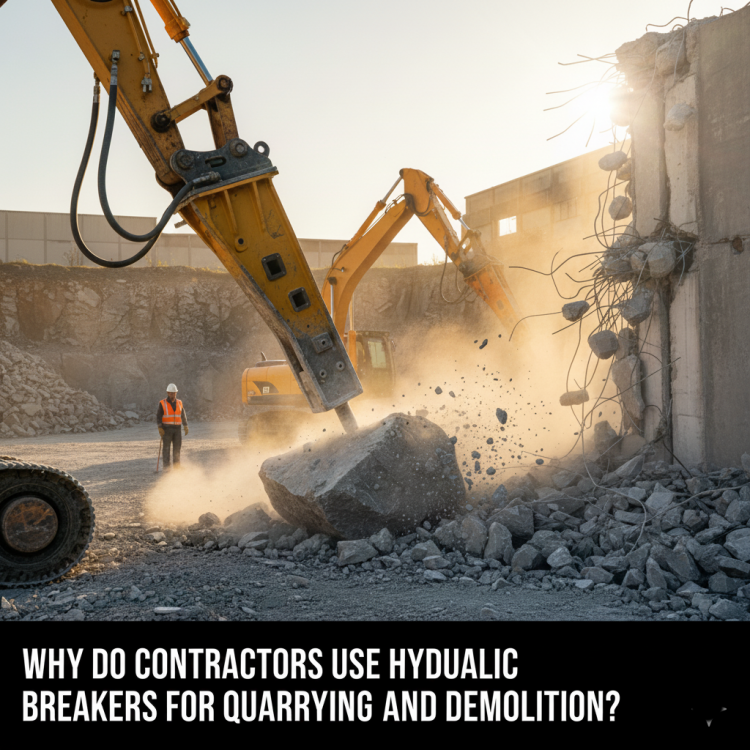
Hydraulic breakers for excavators function through a proven system. The excavator pumps pressurized hydraulic fluid directly to the breaker attachment mounted.

This pressurized flow creates a fast-paced striking motion depending on equipment size and settings. Rock and concrete shatter under this continuous pounding force without the massive vibration or noise problems that plague older handheld tools.
The Power of Hydraulic Breakers
The real benefit lies in how focused this energy becomes. Hydraulic breakers concentrate their power at one precise point rather than spreading force across a wide area. That concentrated strike means less wasted effort and dramatically better material breakdown rates.
Operators stay comfortable in the cab, controlling operations through simple hydraulic pressure adjustments. This precision control prevents collateral damage that would otherwise require costly repairs.
The system draws power directly from equipment that already exists on every jobsite. Excavators arrive with full hydraulic capacity built right in, making breaker attachment installation surprisingly simple. No extra power generation equipment needs to show up. No air compressors humming away. Just bolt the breaker to the arm and run hydraulic hoses.
Superior Efficiency in Rock Breaking Operations
Breaking rock traditionally meant crews with handheld pneumatic hammers working all day for minimal progress. A standard team equipped with pneumatic tools might clear one ton of rock daily if conditions cooperated.

That same crew with hydraulic breakers for excavators typically manages three to five tons in a single day. Those productivity numbers translate into shrinking project timelines along with lower labor costs.
The Fuel Efficiency of Hydraulic Breakers
Equipment fuel consumption also favors hydraulic systems in various operational scenarios. Pneumatic rigs require the constant operation of air compressors.
Hydraulic breakers only consume power during active striking cycles. This difference compounds into money saved on fuel bills over a month-long quarrying project. Project managers prefer tighter timelines as they are confident of meeting deadlines with breaker equipment on site. Quarrying operations that previously took eight weeks can be completed in two weeks.
Maintenance schedules also break in favor of hydraulic systems compared to their pneumatic counterparts. Fewer moving parts mean simpler repairs and less downtime. Contractors lose money when equipment breaks. Better reliability means more productive hours per week and fewer headaches during important phases of work.
Why Hydraulic Breakers for Excavators Dominate Demolition Work?
Most sites have utilities running everywhere, neighboring structures nearby, and underground infrastructure that must survive intact. Hydraulic breakers provide a controlled demolition approach demanded by complex urban environments.
Operators maintain full visibility from inside the enclosed cab, making real-time adjustments as work progresses and unexpected conditions emerge. Safety improvements become obvious when comparing this approach to older demolition methods. The equipment keeps workers at comfortable distances from actual demolition zones.
Nobody handles pneumatic hammers requiring physical strength. Nobody risks standing beneath suspended loads or dealing with ricochet debris. The enclosed cab protects the operator. Workers can maintain safe distances. These are genuine safety advantages that reduce insurance costs and eliminate unnecessary injury risk.
The equipment versatility sets breaker-equipped excavators apart from single-purpose demolition machines. The same machine breaks concrete one day and performs standard excavation work the next. That flexibility means fewer total machines needed at complex sites. Transportation costs drop. Equipment rental becomes more cost-effective. Utilization rates improve throughout the project duration.
Comparing Hydraulic Breakers Against Traditional Methods
Handheld pneumatic tools have been around for decades, yet remain incredibly taxing on workers. Sustained vibration causes hand fatigue and repetitive strain injuries that affect workers long after projects finish.
Operators need months of training before becoming truly proficient. Mistakes happen when exhaustion sets in after eight hours of physical effort. Safety incidents rise when operators tire and attention lapses.
Controlled explosive demolition works for specific situations. Each blast requires permits as well as specialized expertise that most standard contractors lack. The process cannot pause if problems emerge.
Blast vibration damages neighboring structures and disturbs surrounding communities. Acoustic pollution runs so high that neighborhoods often restrict blast windows to specific hours. These environmental and legal constraints make explosive demolition impractical for many urban and suburban projects.
Hydraulic breakers deliver better environmental performance than most alternative approaches. They produce zero explosive residue and no toxic fumes. Dust generation stays minimal compared to handheld pneumatic tools.
Noise output stays within acceptable limits. These environmental advantages make hydraulic systems popular in urban areas.
Key Considerations for Choosing Hydraulic Breakers
Breaker size selection matters for project success as well as the efficiency of the equipment. Smaller breakers excel at precision demolition work. Here is what you should know.
Select Larger Units
Larger units suit extensive quarrying. Excavator size and the hydraulic capacity determine the overall success. Undersized breakers would fail to deliver adequate power for the work. On the other hand, the oversized breakers create maintenance headaches.
Training
The breaker tool itself needs periodic inspection for wear patterns. Simple preventive maintenance extends equipment life. It maintains consistent performance throughout job sites. Operators should receive basic training on troubleshooting common issues.
Fuel Efficiency
Fuel efficiency matters substantially on extended projects lasting weeks or months. Note that hydraulic breakers consume fuel that’s proportional to actual usage. Operators can reduce power output when maximum capacity isn't required.
This operational flexibility drops fuel consumption noticeably compared to equipment running at constant full power. Modern breaker equipment includes automatic pressure controls that optimize energy efficiency without operator intervention.
Conclusion
Hydraulic breakers for excavators are changing the way contractors approach quarrying as well as demolition. Projects complete faster while maintaining excellent safety records. These attachments represent the definitive choice for contractors seeking competitive advantages and proven equipment reliability.





