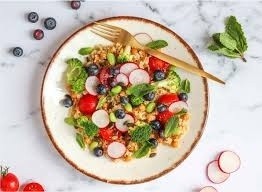
Eating healthy doesn’t have to be boring or heavy. One of the simplest ways to stay energized and maintain overall wellness is by incorporating High Fiber Foods for Salads into your daily meals. Fiber-rich foods not only keep you full longer but also promote digestion, stabilize blood sugar, and support heart health. Whether you’re creating a simple garden salad or a hearty grain bowl, knowing which ingredients pack the most fiber can transform your salads from a side dish to a nourishing main meal.
Fiber comes in two forms: soluble and insoluble. Soluble fiber dissolves in water and forms a gel-like substance in your gut, helping to regulate cholesterol and blood sugar. Insoluble fiber adds bulk to stool and promotes healthy bowel movements. Combining both types in your salad ensures you get the maximum benefits while keeping your meals satisfying and light.
Why Fiber is Essential in Your Diet
Fiber is more than just a digestive aid. It plays a crucial role in preventing chronic diseases, managing weight, and supporting gut health. Research consistently shows that diets high in fiber can reduce the risk of heart disease, diabetes, and certain cancers.
For salad lovers, fiber is particularly valuable because it allows you to feel full without overloading on calories. This means you can enjoy a larger portion, mix a variety of ingredients, and still maintain a balanced diet.
Top High-Fiber Foods for Your Salads
Adding fiber to salads doesn’t have to be complicated. Here’s a breakdown of the best ingredients that can boost fiber content while enhancing flavor and texture.
Leafy Greens
Leafy greens like spinach, kale, and Swiss chard are naturally high in fiber. One cup of cooked spinach contains about 4 grams of fiber. These greens also provide a variety of vitamins and minerals, such as vitamin K, vitamin A, and folate, which are essential for overall health.
Legumes
Beans, lentils, and chickpeas are excellent sources of both protein and fiber. Adding a half-cup of chickpeas to your salad can add approximately 6 grams of fiber, making your meal more filling and nutrient-dense.
Fruits
Fruits like apples, pears, berries, and oranges not only add natural sweetness but also provide soluble fiber. Blueberries, for instance, are packed with antioxidants and offer around 4 grams of fiber per cup. Fruits can be combined with nuts and seeds for added crunch and nutrition.

Whole Grains
Whole grains like quinoa, bulgur, and farro are perfect for creating hearty salads. They are high in complex carbohydrates and fiber, which helps maintain steady energy levels throughout the day.
Vegetables
Cruciferous vegetables like broccoli, Brussels sprouts, and cauliflower are fiber powerhouses. Roasting or lightly steaming them before adding to salads can enhance their flavor and maintain nutritional value.
Nuts and Seeds for Extra Fiber
Incorporating nuts and seeds into salads not only adds texture but also provides healthy fats, protein, and fiber. Chia seeds, flaxseeds, almonds, and sunflower seeds are among the best options. For example, one tablespoon of chia seeds contains 5 grams of fiber, making them an easy addition to boost your meal’s nutritional profile.
Creative Salad Ideas with High-Fiber Foods
Transforming your salad into a high-fiber, satisfying meal requires a mix of textures, flavors, and nutrients. Here are a few ideas:
Mediterranean Chickpea Salad
Combine chickpeas, cherry tomatoes, cucumber, red onion, olives, and feta cheese. Drizzle with olive oil and lemon juice. The chickpeas and vegetables provide ample fiber, while the cheese adds a creamy texture without overwhelming the dish.
Berry and Spinach Salad
Mix fresh spinach, blueberries, strawberries, and walnuts. Add a balsamic vinaigrette for a sweet and tangy finish. The fiber from the berries and spinach keeps you full, while the walnuts contribute heart-healthy fats.
Quinoa Power Bowl
Cooked quinoa, roasted vegetables, and black beans make a protein-rich and fiber-packed salad. Add a sprinkle of pumpkin seeds and a light vinaigrette for extra flavor.
How to Maximize Fiber Absorption
Eating fiber alone is not enough; it’s also essential to support your gut health to maximize its benefits. Here are some tips:
-
Drink plenty of water: Fiber works best when it absorbs water, helping it move through the digestive system efficiently.
-
Mix soluble and insoluble fiber: Combining both types promotes better digestion and satiety.
-
Add fermented foods: Yogurt, kimchi, or sauerkraut can help maintain healthy gut bacteria, improving fiber absorption.
Benefits of High-Fiber Salads
Eating salads rich in fiber regularly can transform your health in multiple ways:
Supports Digestive Health
Fiber helps prevent constipation and maintains regular bowel movements. Insoluble fiber adds bulk, while soluble fiber nourishes beneficial gut bacteria.
Helps in Weight Management
Fiber-rich foods are more filling and require more chewing, which can naturally reduce overall calorie intake and help control weight.
Regulates Blood Sugar
Soluble fiber slows down the absorption of sugar, preventing blood sugar spikes and supporting individuals with diabetes or insulin sensitivity.
Lowers Cholesterol
Certain types of soluble fiber can bind with cholesterol in the digestive system and help remove it from the body, reducing the risk of heart disease.
Incorporating healthvore Principles
Following the healthvore approach emphasizes mindful eating, nutrient-dense meals, and whole foods. By choosing salads with high-fiber ingredients, you align with a healthvore lifestyle that prioritizes wellness without sacrificing taste. This method encourages you to explore seasonal vegetables, fresh fruits, legumes, and whole grains, making your meals both vibrant and nutrient-packed.
Being a healthvore doesn’t mean eliminating indulgences. Instead, it’s about balance—pairing your fiber-rich salads with wholesome fats, proteins, and occasional treats. By adopting these principles, you can maintain energy, improve gut health, and support overall well-being.
Tips for Making Your Fiber-Rich Salads Delicious
Fiber-rich foods can sometimes be bland if not prepared thoughtfully. Here are ways to enhance flavor while keeping your salads healthy:
-
Use fresh herbs: Basil, parsley, cilantro, and mint add flavor without calories.
-
Experiment with dressings: Olive oil, balsamic vinegar, mustard, and yogurt-based dressings can elevate taste.
-
Add texture: Nuts, seeds, and roasted vegetables provide crunch and interest.
-
Incorporate protein: Lean proteins like grilled chicken, tofu, or beans complement fiber and make the salad more satisfying.
Common Mistakes to Avoid
Even when eating salads, some habits can reduce the effectiveness of a high-fiber diet:
-
Overloading with cheese and croutons: While tasty, these can add excess calories and fat without fiber.
-
Skipping hydration: Fiber needs water to work effectively; without it, you may experience bloating or constipation.
-
Using refined grains: White pasta or rice lacks fiber compared to whole grains like quinoa or brown rice.
Meal Prep for Fiber-Rich Salads
Planning ahead makes it easier to include fiber in your diet consistently. Here’s a simple approach:
-
Chop vegetables in advance: Store in airtight containers to save time.
-
Cook grains in bulk: Quinoa, bulgur, or farro can be stored for several days.
-
Prepare legumes: Boil beans or lentils and keep them refrigerated for quick salad additions.
-
Pack dressings separately: Prevents soggy salads and preserves flavor.
By prepping ingredients in advance, you can quickly assemble fiber-rich salads that satisfy both hunger and nutrition goals.
Conclusion
Incorporating High Fiber Foods for Salads into your daily meals is a simple yet powerful way to improve your health. From leafy greens and legumes to fruits, whole grains, and seeds, there are countless combinations to keep your salads exciting and nourishing.
By adopting healthvore principles, you focus on nutrient-dense, whole-food meals that enhance overall well-being while keeping your diet balanced and satisfying. Fiber not only supports digestive health but also promotes heart health, stable energy, and weight management.
The key is variety: mix textures, flavors, and colors to make every salad a delicious and healthful experience. With a little planning and creativity, you can transform everyday salads into fiber-packed meals that leave you feeling energized, full, and delighted.