

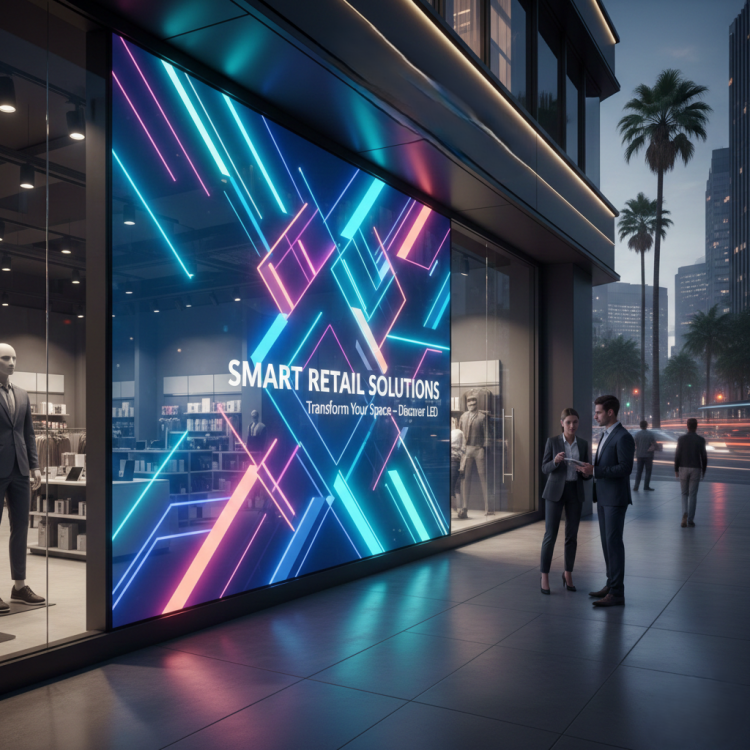
Installing an LED display can change how people notice, enter, and interact with your store. It is no longer just about decoration or advertising. A well-planned LED display helps you communicate clearly, highlight offers instantly, and create a modern store presence.
At the same time, installing an LED display without proper planning can lead to visibility issues, high running costs, or constant maintenance problems. Before you invest, it is important to understand what actually matters and what does not. This guide walks you through everything you should know—simply and practically—before installing an LED display for your store.
Why Stores Are Choosing LED Displays
LED displays give your store the flexibility that traditional boards cannot offer. You can change content instantly, attract attention with motion, and stay visible in different lighting conditions. Whether it is a promotion, brand message, or directional information, LED displays help you speak to customers in real time.

They also support long-term branding. When used correctly, an LED display becomes part of how customers remember your store.
Understanding the Purpose of An LED Display
An LED display becomes part of how your store presents itself to the world. Before it even starts its day, the consumers make their decisions behind whether to visit your store to purchase any product or avail any service; or just simply move on to some other store.
Below are certain things you should remember before you install an LED display for your business.
1. What Message Do You Want to Show?
Before choosing the size or type of LED display for your store, be clear about the purpose for which you need it. Some common goals include:
- Promoting offers or discounts

- Displaying brand visuals
- Sharing product highlights
- Guiding customers inside the store
A display meant for promotions needs frequent content changes. A branding display may focus more on visuals and consistency. Knowing this early helps avoid wrong choices.
2. Who Is Your Audience?
Think about who will see the screen. Is it the on-the-go traffic outside the store or customers already inside? Outdoor viewers need quick, bold messages. Indoor viewers need everything in a bit more detail. This will help you determine what should be your screen brightness, size, and content style.
3. Choosing the Right Location Inside or Outside the Store
Visibility comes first. The best LED display fails if people cannot see it properly. Your LED screen placement should avoid:
- Obstructions like pillars or shelves
- Direct glare from sunlight
- Angles that strain the neck or eyes
The viewing distance affects how clear the content looks. A screen viewed from close range needs higher resolution. A screen meant to be seen from far away can use lower resolution without losing clarity. Eye-level placement works best for indoor displays. While outdoor displays should face the natural flow of pedestrians or traffic.
4. Screen Size and Resolution
Installing a big screen randomly isn’t a sign of being better. A giant LED screen in a small store can feel overwhelming. A small screen in a large space can get ignored. So, the screen size should match the space and viewing distance.
Also keep in mind that the resolution of your screen should be adjusted depending on what kind of content you are displaying. Higher resolution means sharper images but also higher cost. If your content is simple text and bold visuals, you may not need the highest resolution available.
5. Power Requirements and Electrical Readiness
LED displays need stable power. Fluctuations slowly damage internal parts. Before installation, ensure:
- Proper wiring
- Load capacity
- Safe power connections
LED displays are energy-efficient, but size, brightness, and daily usage affect electricity consumption. Knowing this beforehand helps avoid unpleasant surprises on monthly bills.
6. Content Control
A display that is hard to update ends up showing old content. Choose a system that allows:
- Simple content uploads
- Scheduled changes
- Quick edits without technical help
Ease of use keeps the screen active and relevant.
Avoid overcrowding the screen. One clear message works better than five confusing ones. Use readable fonts, strong contrast, and short lines. LED displays work best when they communicate fast.
7. Installation Quality and Safety
LED displays are heavy. Improper mounting can cause:
- Screen movement
- Alignment problems
- Safety risks
The supporting wall or structure must handle the weight comfortably.
Moreover, exposed wires and loose fittings make the setup look unprofessional. Clean cable routing and neat finishing help the screen blend into the store’s design and build customer confidence.
8. Heat and Ventilation Outlets
LED displays generate heat during long hours of use. Without proper ventilation, heat damages internal parts over time.
Make sure:
- Airflow is not blocked
- Space is left behind the screen if required
- Outdoor screens handle heat properly
Most early failures come from heat buildup and not because of the screen quality.
9. Maintenance Issue
An LED display does not need too much maintenance, but it does need basic attention. Dust builds up quietly, cables loosen over time, and brightness level can go down or screen can become dull without early warning. Simple, periodic checks stop small issues from becoming visible problems and keep the screen steady and dependable.
Final Thoughts
Installing an LED display is a sign of how people experience your store, often before they even step inside. When done right, it does not demand attention or explanation. It simply draws people in, shares the right message at the right moment, and supports your business quietly every day.
The real impact comes from thinking beyond the screen. When you understand your space, your customers, and how your store runs day to day, the display starts working for you. Get these choices right, and your LED display becomes more than a feature—it becomes a steady, dependable part of your store’s growth.





